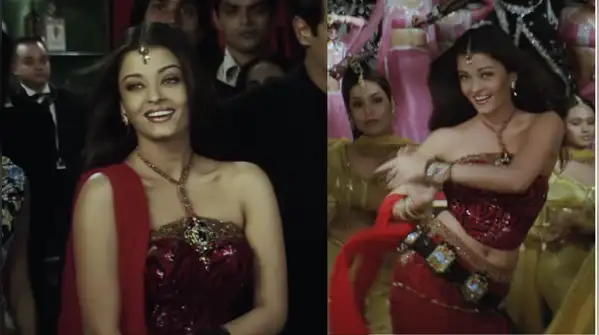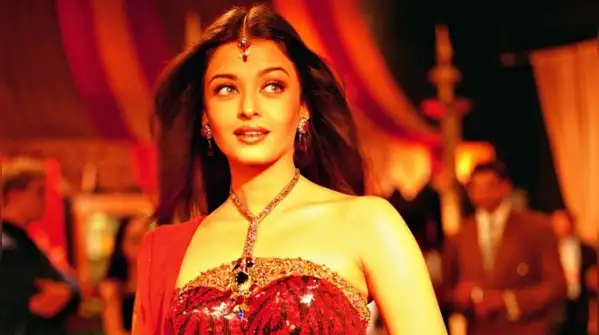
Who created this timeless piece, some fashion moments are so avant-garde that they transcend time, according to fashion designer Neeta Lulla. Aishwarya Rai was already making a name for herself in the world of fashion long before corset-core became a thing. Her famous look in the song ‘Saajan Saajan’ had her rocking a corset-style lehenga, combining traditional Indian wear with a modern twist.
Today, this piece is proof that while many trends may come and go, an iconic lehenga can make its mark in fashion history.
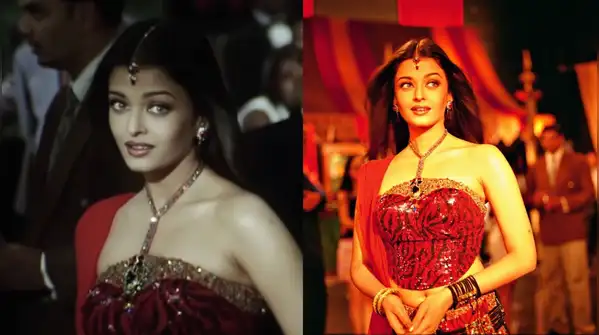
In a recent Instagram post on October 15, fan-favourite designer Neeta Lulla reflected on how this iconic outfit came into being and shared her thoughts on the design process and craftsmanship behind this iconic Bollywood fashion moment. Referring to the fashion trends of the 1990s, Neeta revealed that leopard print ruled the roost at the time, and she often used the motif in zardozi embroidery alongside turquoise colour combinations.
Calling it “every girl’s dream”, she shared, “I designed this outfit for a song. This stunning ensemble was a radical departure from the traditional lehenga silhouette. It consisted of a corset-cut, structured blouse worn with a slim skirt and trousers, creating an overall look that was far removed from the standard Indian fashion silhouette. The intention was to create something sensual and glamorous. This outfit had to be rooted in Indian craft. Its defining feature was the striking red-and-black leopard pattern, paired with beautifully detailed zardozi embroidery. Aishwarya’s outfit was an iconic representation of this style. Styling was given equal weight in the design process. Neeta’s approach to jewellery was that it should not be treated as simply an accessory but rather as part of the outfit itself. Thus, she opted for a magnificent neckpiece to complement the corset-style blouse, while a statement belt designed with trinkets and stones was chosen instead of the usual waistband for the skirt. The accessories were also designed to move with Aishwarya’s body, making the outfit look lively and unique. Techniques such as corsetry, bustiers, draping and sculptural garments are once again in vogue, even in wedding wear. The combination of traditional craftsmanship and modern construction continues to inspire designers as they give classic techniques a contemporary spin. This look also reminds us that fashion is cyclical. What was once considered daring or innovative several decades ago can return years later as a source of inspiration for contemporary designers.
Neeta believes that what she once conceptualised as a design vocabulary feels very relevant today.