
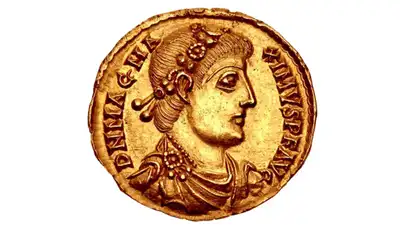
Image: Wikipedia
Merrony discovered it in 2024, about two miles, or three and a half kilometres, south-west of the summit of Frenni Fawr hill. Because no Roman military site had been found near the spot, historians could never confirm it,. Here is who found the fort, what the legend says, what the dig revealed, and why it matters for understanding Roman Wales.
The fort was found by Mark Merrony, a leading Roman specialist at the University of Oxford, according to The Guardian. Merrony told The Guardian that the area is remote, yet the legend names the easternmost peak of the Preseli Hills, which is where the site lies. He was excited that this landscape holds the only Roman military site close to where the Mabinogion places the emperor, and “If Magnus Maximus was there, there must have been an army there.”
For nearly seventeen centuries, a Welsh legend has claimed that a Roman emperor camped beside a hill in Pembrokeshire. That has now changed. Archaeologists have uncovered a heavily fortified Roman fort in the Preseli Hills, together with fourth-century coins, tiles, pottery and the remains of a headquarters building. The discovery suggests the medieval tale of Macsen Wledig may rest on real history. Satellite imagery showed a convincing outline in an overgrown field. Shortly after he visited, a Roman tile caught his eye, the first of many.
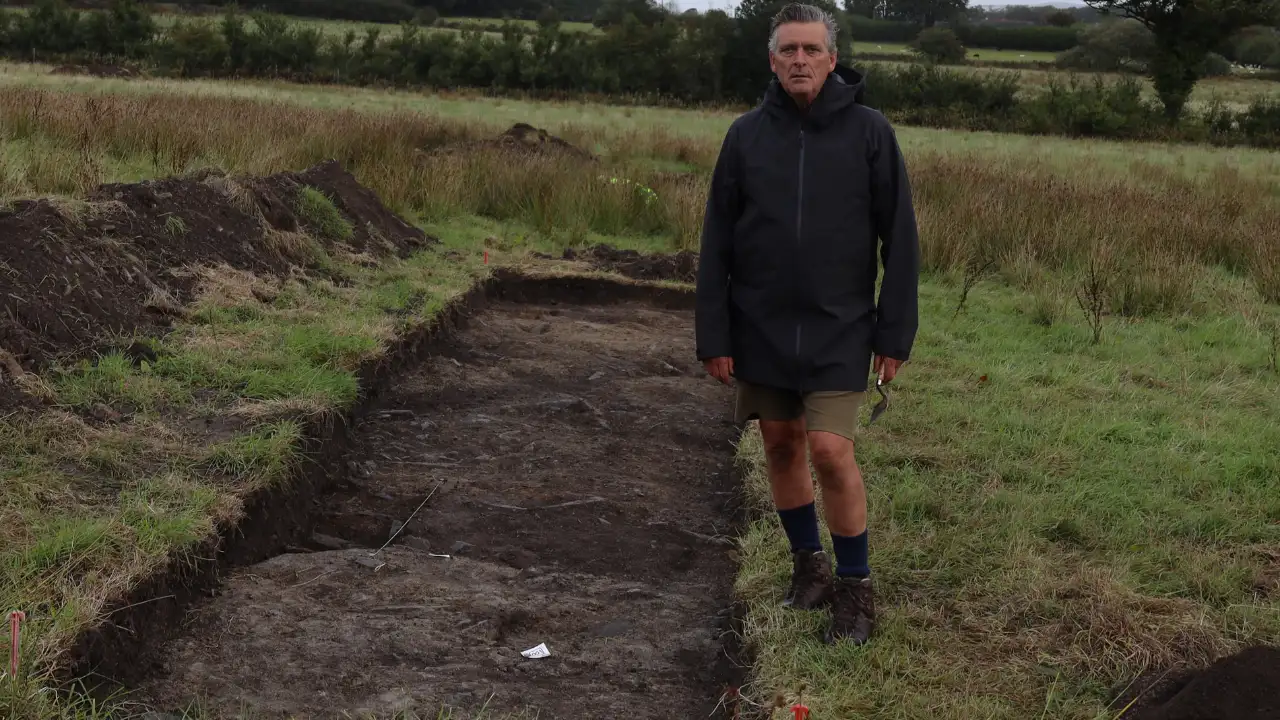
Why the Pembrokeshire discovery challenges assumptions about Roman Wales and what the research will add
It also builds on Merrony’s earlier work, which includes two Roman villas, at Ford in Pembrokeshire and at Cutteslowe in Oxfordshire, and a Roman road along the southern shoulder of the Preseli Hills identified in 2022, which challenged the idea that the Romans did not venture far into Wales.
Merrony also said that the presence of a heavily fortified Roman auxiliary fort may help unlock the mystery of the legend. The Guardian reports that the discovery overturns assumptions that the area’s Indigenous Celtic tribe lived peacefully alongside the Roman invaders. His research will appear in Antiqvvs, a quarterly magazine about archaeology, ancient art and history, and Magnus Maximus will feature in his book Lives of the Roman Emperors, which Taylor and Francis describes as presenting concise biographies of ninety-five rulers.