
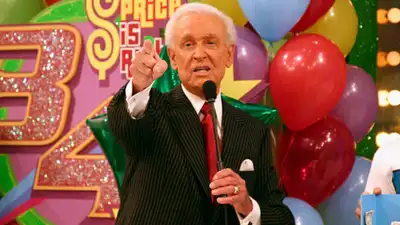
When three ageing African elephants left Toronto Zoo in October 2013 after years of debate over their future, television host Bob Barker was waiting in California to welcome them. The former host of The Price Is Right had reportedly spent nearly $1 million to fund their journey to a sanctuary, hoping to give Iringa, Toka and Thika a different life away from their zoo enclosure. The Los Angeles Times reported on October 23, 2013, that Barker watched the elephants arrive at the Performing Animal Welfare Society’s (PAWS) ARK 2000 sanctuary in San Andreas, California, visibly moved by the moment.
In May 2011, Toronto Zoo’s board voted to close its elephant exhibit and relocate its remaining elephants to an appropriate facility. Toronto City Council formally adopted a motion on October 24 and 25, 2011, directing zoo staff to arrange the transfer of Iringa, Toka and Thika to PAWS in California. The amount was reported at nearly $1 million. Toronto City Council revisited the issue in November 2012, reaffirming its decision to send the elephants to PAWS after reviewing the facility. Their histories, documented in a September 2013 update published by the zoo, show how long they had lived in human care. Iringa was born in Mozambique in 1969 and arrived at Toronto Zoo in 1974, when she was about five years old. Toka, born in Mozambique in 1970, arrived at the zoo in 1974 at the age of four. She gave birth to a calf named Toronto in 1984 and was remembered by staff as a good mother. She was born at Toronto Zoo on October 18, 1980. By the time of their relocation in 2013, the three animals had spent most of their lives at the zoo. The elephants reached PAWS’ ARK 2000 sanctuary on October 20, 2013, after travelling from Toronto in a journey that took nearly four days by truck. For Barker, who was 89 at the time, seeing them arrive was an emotional experience. Barker was best known to millions of viewers as the host of CBS’ *The Price Is Right*, a role he held from 1972 until his retirement in 2007. At ARK 2000, the elephants were expected to adjust gradually to their new surroundings. The organisation said the three would eventually share an 80-acre natural habitat with resident African elephants.
Their transfer was therefore not simply a long-distance journey; it also meant adapting to an unfamiliar environment after decades in a familiar one. Handlers and veterinarians accompanied the animals during the trip, the newspaper reported. The Toronto Zoo subsequently confirmed that all three elephants had arrived safely. ABC News reported that he had no regrets about the money spent to make the relocation possible.
“I had a lump in my throat, I had tears in my eyes,” Barker said at a news conference after the animals arrived, according to the Los Angeles Times. Toronto Zoo said its staff had been training the elephants for transport and coordinating with PAWS as permits and other arrangements were completed. The zoo said the elephants had travelled well, eaten regularly and remained calm during the journey. Speaking after their arrival, he said he had enjoyed a well-paid career and wanted to spend his money on causes he considered important. PAWS co-founder and president Ed Stewart told the Los Angeles Times that the adjustment could take weeks, months or even longer.
For the veteran television personality, the relocation was the culmination of a campaign that had lasted years and involved animal-welfare advocates, zoo officials and Toronto’s city council. The decision to move the elephants was not made overnight. The move was part of a wider debate about the space and care available to elephants in captivity. The city’s official records state that the sanctuary would take responsibility for arranging and paying for safe transportation, subject to permits and applicable standards. Barker was among the prominent advocates who lobbied for the move. He agreed to fund the expensive transportation after the relocation effort encountered obstacles. The campaign also faced delays over the suitability of the proposed destination and the arrangements needed to move the animals safely. The three elephants had spent decades at Toronto Zoo. Zoo staff described her as intelligent and sometimes unpredictable. She was also known for her fondness for younger elephants. Her keepers described her as gentle and compliant. Thika had a different distinction; she was the first African elephant born in Canada. Staff described her as energetic, sociable and fond of interacting with other elephants. The operation required extensive preparation. Staff members were present as the animals were unloaded from individual steel crates. The former television host had long supported animal-welfare causes and was outspoken about the treatment of animals in captivity. The programme became one of American television’s best-known game shows, but Barker also used his public profile to support animal-welfare causes. His funding of the elephants’ relocation reflected that commitment. For Iringa, Toka and Thika, the journey from Toronto to California represented a major change late in their lives. For Barker and the campaigners who had pushed for the move, their arrival at PAWS was the outcome of years of advocacy, public debate and logistical planning. The sanctuary intended to give each elephant the care, time and space needed to settle in. PAWS also assumed responsibility for their lifelong care, distinguishing Barker’s contribution to the transport from the sanctuary’s ongoing financial obligations. The relocation did not instantly resolve every question about the elephants’ welfare. Moving animals that have lived in a zoo for decades requires careful management, veterinary oversight and time to adapt. Nevertheless, the arrival marked the end of a prolonged effort to find them another home. You use AI every day. Now get your AI Quotient. Take the AIQ test.