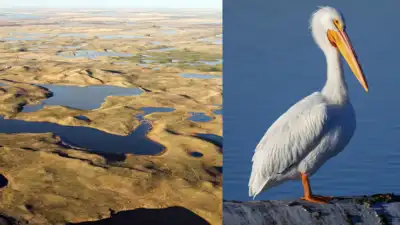
The Kunz property sits in an area of the northern Great Plains called the Prairie Pothole Region | Wikimedia Commons
The couple moved into a basic cabin without running water or a bathroom, according to the US Fish and Wildlife Service’s account of the project , and their first challenge was to find a practical way to manage the property while also protecting its remaining grasslands and rebuilding its wetlands.
The 1985 Farm Bill introduced federal wetland conservation provisions that are commonly linked with the Swampbuster programme, and these provisions discourage the conversion of wetlands for agricultural production under specified conditions. Restored wetlands hold surface water and help replenish groundwater, and the Kunz family reported improvements in water storage on their property, which they linked to the needs of their grazing operation. The Kunz property sits in an area of the northern Great Plains called the Prairie Pothole Region, which is known for its numerous shallow wetlands, and these depressions hold water at different times of the year and provide breeding and feeding habitat for waterfowl and other wildlife. Agricultural expansion changed a big part of the landscapes during the 20th century, wherein farmers drained wetlands to create additional cropland, which was encouraged by government programmes that used to once supported drainage as part of agricultural development. The US Department of Agriculture’s Natural Resources Conservation Service also operates conservation programmes that help landowners restore and protect wetlands, with its Agricultural Conservation Easement Program, for example, providing assistance for restoring and enhancing eligible wetlands. The agency identifies the potential benefits as wildlife habitat, improved water quality, groundwater recharge and reduced flood risk. The couple also enrolled the land in North Dakota’s Private Land Open To Sportsmen programme, which provides public hunting access on participating private properties.