Vindaloo (Image credit:Canva)
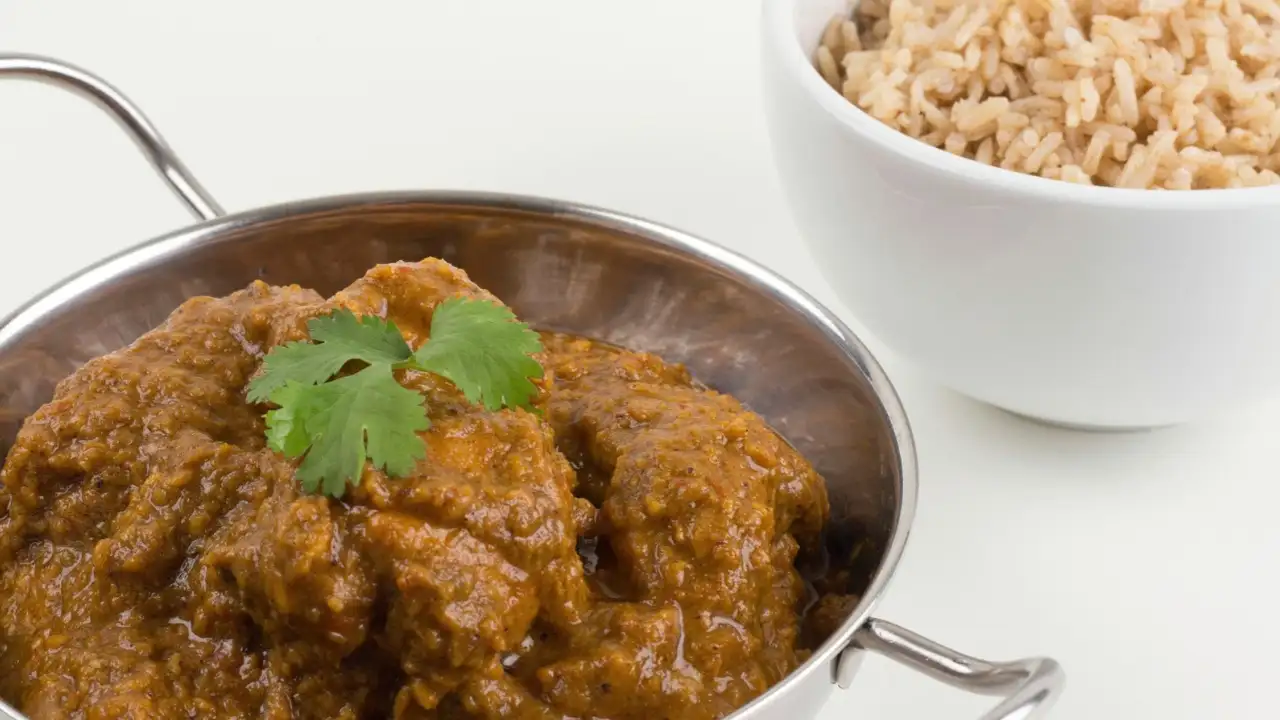
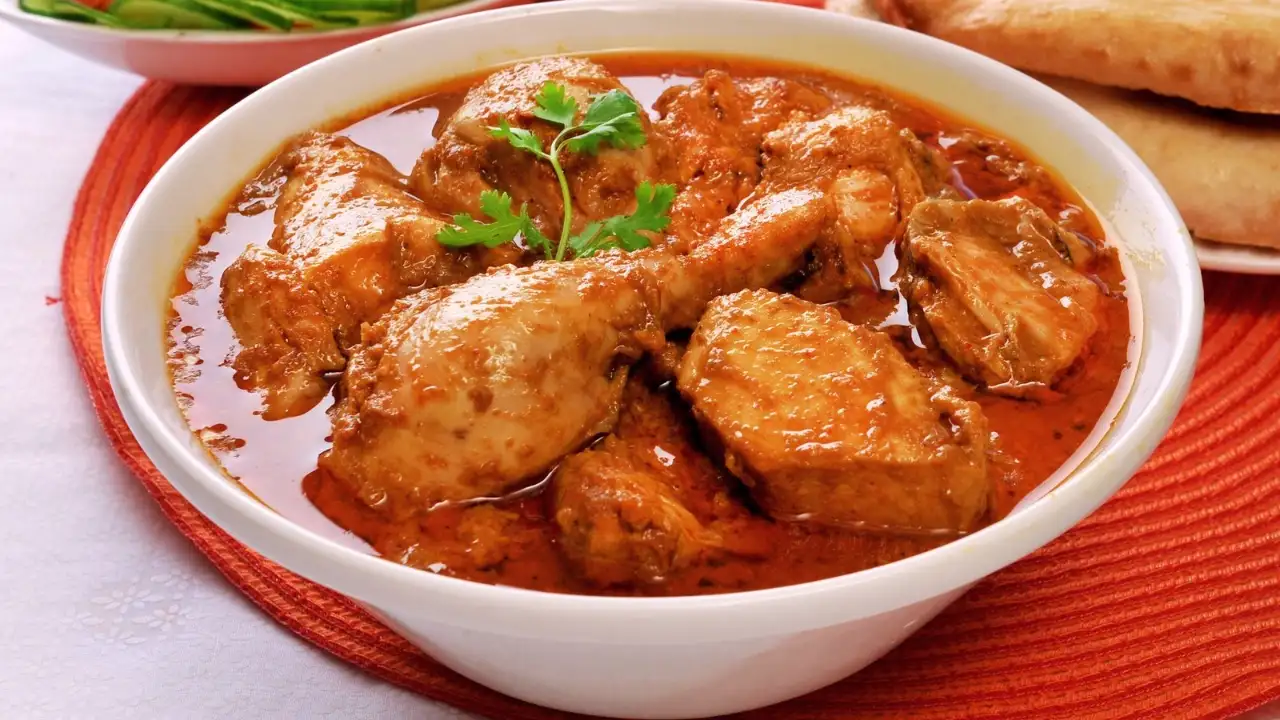
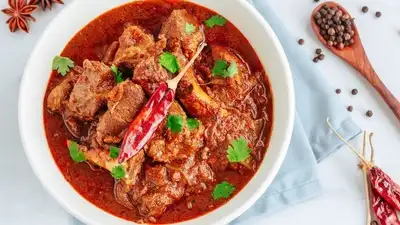
It is often served with a side of steamed rice or eaten with the popular Goan bread known as pao or poi, also an important part of Goan heritage and food culture that was introduced through Portuguese influence. Long before ideas travelled the world, culture and heritage were first shared through food. Sometimes, you find yourself enjoying a dish but wonder about its regional roots or how its unique flavours and combinations were first created. Vindaloo is one dish that, if you’ve had it, must have certainly left you wondering where it really comes from. This fiery curry combines meat marinated in wine and garlic. With a burst of flavours and spices, this dish, widely eaten in Goa, actually comes from Portuguese cuisine and is derived from a rich and meaty preparation known as vinha de alhos. Goa has always had plenty of ties to Portuguese culture, dating back to Vasco da Gama’s arrival in India in the late 15th century. Having first begun with pork as the choice of meat, the Vindaloo dish has evolved and transformed through time and cultural exchanges; chicken and lamb are now also used to prepare this fiery curry. To bring together spices more indigenous to India and the flavour profile of Goan cuisine, the tangy vinegar used by the Portuguese settlers was combined with spicy cardamom, black pepper and other spices. Korma is a creamy curry made using yoghurt, cream and ground nuts, and cooked slowly with these ingredients and more. It is a dish often prepared in Mughal courts and royal kitchens. It emerged from Persian and Central Asian influences that merged with the Indian food palette. A special and revered dish, korma, once prepared for royal courts, is now enjoyed in Delhi’s streets, restaurants and homes. Mughlai cuisine has long integrated food and cultural influences from Central, Eastern and South Asian cuisines. If there is a rice dish that has travelled across the country to earn its own place in the hearts of foodies, it must be biryani. The dish is thought to have originated in Persian cuisine, its name coming from the Farsi words biriyan (meaning fried) and birinj (meaning rice). Traditionally made with rice and a choice of meat, usually chicken or lamb, it is made using the Persian method of slow cooking called dum pukht. Upon arriving in Indian kitchens, the dish transformed and evolved, not only in the manner in which it was prepared but also in the ingredients used to make it, including tejpatta (bay leaf), cinnamon, elaichi and other spices. With biryani finding its place in Indian kitchens, it went on to transform and evolve across different states of the country. Some popular forms of biryani include Hyderabadi biryani and Muradabadi biryani, each of which has developed various renditions of its own, with changes in cooking techniques, rice, spices and even addition of other ingredients.
But it is not just vindaloo that travelled across cultures to become the utterly unique, delicious dish that it is today. Another blend of Goan cooking techniques and flavour palettes merged with Portuguese colonial influences to make up a popular Goan curry as we know it today. is Xacuti This fiery curry is made with meat, chicken, mutton or any other in a blend of onions, tomatoes, red chillies and a creamy, coconut-based paste. Today, it is a creamy curry eaten with khamiri naan and rotis. These dishes today hold a strong, unique taste of their own, not only in India but also in present-day Pakistan and Afghanistan.