
AI Generated
The expert evidence dispute ended with a victory for State Farm
On October 16, 2026, the US Court of Appeals for the Fifth Circuit upheld the dismissal of their claims. The US Court of Appeals for the Fifth Circuit reported that the incident occurred on August 27, 2022, when a tree fell on the Cains’ home. On June 6, 2024, the Cains filed a lawsuit against State Farm. They sought $134,994.54, covering their breach-of-contract allegations and claims involving the insurer’s handling of the matter, along with consequential damages, legal fees, court costs and interest. Their lawyers explained that counsel had experienced a medical condition requiring surgeries and treatment between December 2024 and March 2025. The US Court of Appeals for the Fifth Circuit reported that on July 24, 2025, the district court struck the proposed reports and Fee’s testimony.
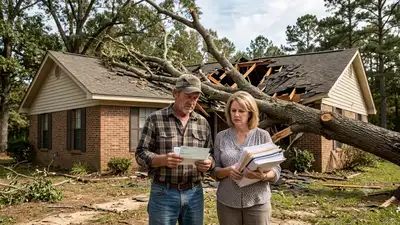
A fallen tree can leave a homeowner facing more than a damaged roof. Repairs may extend to surrounding concrete, a swimming pool and parts of a building that were already showing signs of wear. For Dustin and Amanda Cain of Mississippi, the disagreement over what their insurer should cover became a legal dispute that ended with an appeals court ruling in favour of State Farm. The couple argued that the tree had caused substantially more damage than the insurer initially accepted. But their attempt to establish the full extent of the loss ran into a problem with the expert evidence they presented. The couple held a homeowners’ insurance policy with State Farm, which inspected the property and concluded that the impact had punctured the roof. The insurer attributed other problems around the house to longer-term issues, including temperature-related expansion and contraction, deferred maintenance and settlement. The couple asked the district court to accept the later estimate despite its timing. That request did not resolve the separate issue surrounding the expert evidence. It found that the documents did not make clear who had performed the relevant work or developed the opinions. Without that distinction, the court concluded, the reliability of the analysis could not be properly assessed. The ruling left the Cains without the expert evidence they needed to support their account of the damage. The district court consequently granted summary judgment to State Farm and dismissed the lawsuit with prejudice, meaning the claims could not simply be brought again as a new case. The appeals court did not rule that experts were prohibited from preparing reports together. Instead, it focused on the need to identify the work and opinions attributable to each person. A jointly prepared report may be acceptable, but the court must be able to determine what each designated expert actually intends to say and the reasoning supporting that testimony.