
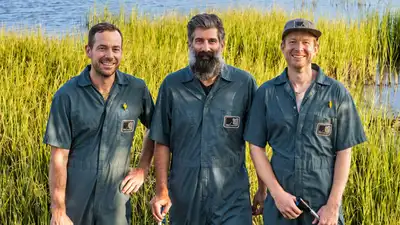
Image: Charleston Magazine
Instead, around 50 volunteers arrived after Suárez helped publicise the event, showing the friends that other residents were keen to get involved in caring for the local environment. The founders are working towards a wider ecological corridor across the Charleston peninsula, encouraging residents to plant native species and preserve natural spaces so that habitats around different creeks become more connected. The founders initially expected a small group to join their first clean-up. The initiative soon expanded beyond waste removal. The founders organised educational activities, public talks and planting events to help residents understand the ecosystem around them. They also encouraged neighbours to take part in conservation activities that could be carried out close to home. Halsey Creek is a tidal salt marsh in Charleston’s Wagener Terrace neighbourhood. It connects to the Ashley River and forms part of the city’s remaining urban tidal creek ecosystem. Wetlands provide habitat for birds, fish, insects and plants, help filter some pollutants from water and can absorb and slow floodwater. These functions are particularly important in Charleston, a low-lying coastal city that faces tidal flooding and heavy rainfall. The initiative has also involved planting native species, collecting native seeds and establishing pollinator gardens. The founders have encouraged residents to incorporate native vegetation into their own properties, creating additional habitat for insects and birds. Their efforts have also contributed to discussions about Halsey Creek’s future and ways to improve neighbourhood resilience. A watershed plan developed with scientists, students and other partners outlined nature-based approaches to flooding and ecological restoration. The work helped inform the City of Charleston’s Halsey Creek Headwaters Masterplan, which addresses the area’s ecological conditions and flood risks.