

Representative AI image of a Pennsylvania dairy farm. (Image Credits: ChatGPT)
In 2011, dairy farmers in Lawrenceville, Tioga County, Pennsylvania, received royalty payments of between $8,000 and $35,000 a month for natural gas extracted from shale beneath their family farm. The gas was derived from a geological deposit called the Marcellus Formation, which developed nearly 400 million years ago and still extends beneath Pennsylvania, New York, West Virginia, and parts of Maryland and Ohio, according to Kiplinger. Royalty payments reshape household finances By the time Kiplinger reported on their situation in November 2011, the Barnes family had been recipients of royalties for nearly a year. The money helped them invest $50,000 in a portfolio of mutual funds, settle outstanding bills, and purchase machinery. Since 2008, in Pennsylvania, nearly 3,400 Marcellus Shale wells had been drilled, and this, per Kiplinger, placed a landowner with 100 acres in the ballpark of potentially earning $2 million in royalties over 20 years. One study cited by Kiplinger estimated that a typical well generated approximately $4 million in economic benefits, including 62 jobs. Between 2006 and 2010, production saw an average annual increase of 48%, as gas extraction from shales was made viable through horizontal drilling and hydraulic fracturing. As per the Allegheny Institute report in May 2013, the rental and royalty tax filings from 2006 to 2010 saw an increase of 19% statewide compared to 29% in counties with Marcellus Shale activity and 10% in counties without it. This was followed by several northern counties that recorded particularly large increases, such as Susquehanna County’s 192% rise in the number of returns, trailed by Sullivan County, Wyoming County, Bradford County, and Tioga County at 180%, 165%, 145%, and 129%, respectively. Besides the increase in tax returns, the dollar amounts themselves flourished in the years between 2006 and 2010. Statewide rental and royalty income saw an increase of 61%, while in counties with Marcellus drilling activity the increase reached 119%. In Susquehanna County, the amount claimed climbed from $8 million in 2006 to more than $133 million in 2010.
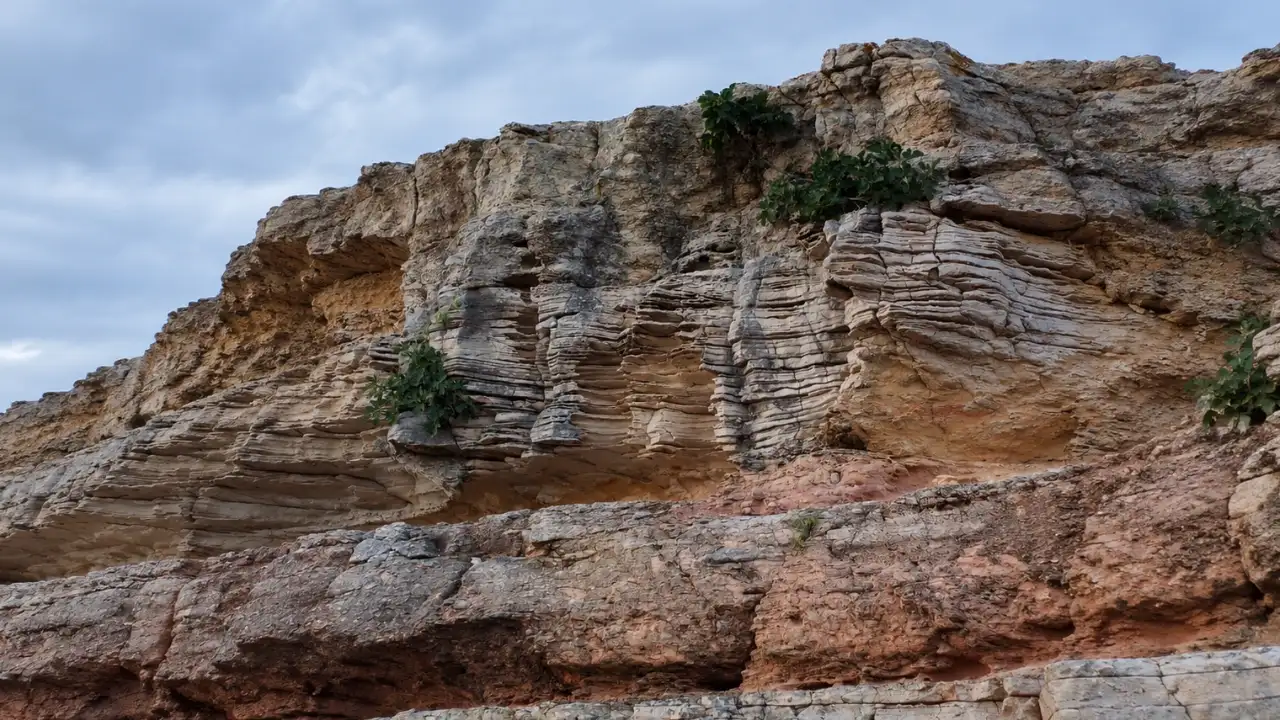
Identified as Jeff and Pamela Barnes, they were mired in mounting debts, unable to meet household expenses, until the payments ended their days of destitution. The experience of the Barnes family reflects a wider trend in Pennsylvania, where natural gas has generated income for landowners who leased their mineral rights to energy companies. The expansion of drilling resulted in a boon of lease payments and royalties for property owners, concurrently increased employment, and ushered in an active economy in gas-producing communities. Moreover, they had been working with a financial planner and an accountant to put their finances in order, which included a college fund for their sons, Glenn and Nicolas. Yet the sudden influx of money is not surprising against that backdrop. In neighboring Bradford County, expansion was visible through drilling equipment, pipelines, water storage ponds, and workers arriving from other states. The only drawback was that increased industrial activity brought traffic and disruption to local communities. Representative image of a shale rock texture. (Image Credits: Pexels) Pennsylvania’s growing mineral-rights economy This surge in royalty income left a paper trail in Pennsylvania’s tax records.
The onset of new income brought the need for new financial planning, on account that they had previously managed finances around the demands of dairy farming.
Under Pennsylvania law, a minimum royalty of 12.5% was established on the value of gas removed or recovered from the property, and that number could reach 20% depending on the negotiation. Because pipelines were unavailable, while production levels and natural gas prices affected the amounts landowners received, some wells remained inactive. The mineral rights payments are contingent on individual lease agreements, as well as the quantity of gas extracted and the price received for it. However, it would be remiss not to mention that owning land above a shale deposit did not guarantee immediate income. In addition, royalties are subject to taxation, and the payments can decline as wells age. The Barnes family’s story showed the boon shale royalties can bring a household, though payments taper off and owners must still plan financially. You use AI every day. Now get your AI Quotient. Take the AIQ test.