Image: Washington Post
By November 2025, the couple had treated more than 622 hedgehogs, according to The Washington Post. In 2022, they found an unwell hedgehog near Kirkcaldy and contacted the Scottish SPCA, but could not arrange a collection. They drove the animal to a wildlife hospital in Alloa, making a round trip of roughly 50 miles. They established Burntisland Hedgehog Haven in March 2023, creating a local facility where sick, injured and orphaned hedgehogs could receive care. The couple have reported being licensed to care for up to 40 hedgehogs at a time. The centre reported that around 65% of the animals it treated survived and were released back into the wild. The European hedgehog (Erinaceus europaeus) was classified as Near Threatened on the IUCN Red List in October 2024, reflecting concerns about population declines across parts of its range. In June 2026, the centre announced a temporary pause on new admissions after a surge in poorly and critically ill hedgehogs pushed it to its permitted capacity. The Longhursts’ work attracted wider attention after The Washington Post profiled their home-based rescue in November 2025.
Animals that are released are returned to suitable locations once they are healthy enough to survive independently.
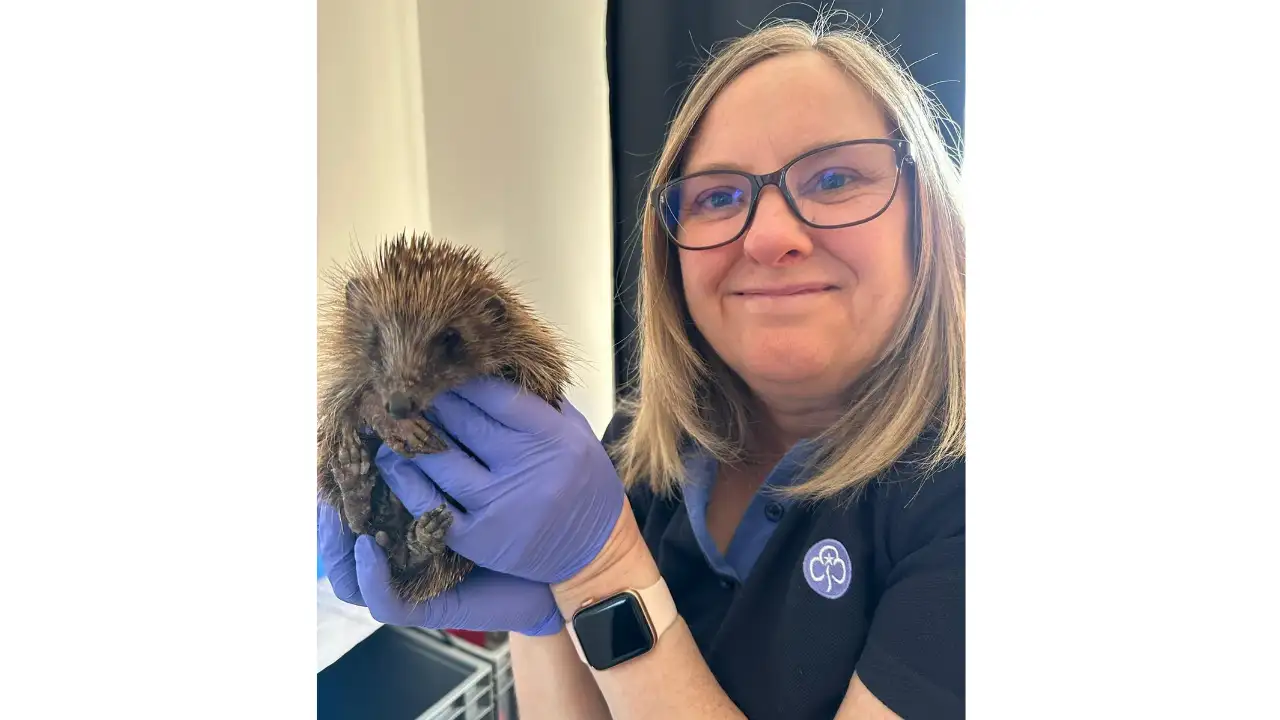
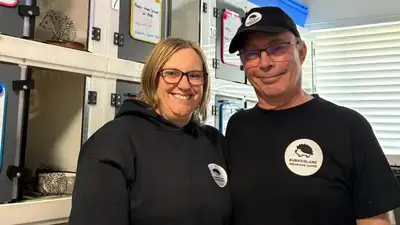
The number admitted varies according to the season, the animals’ needs and the centre’s capacity. Sharon and Andy Longhurst have turned their home in Burntisland, Fife, Scotland, into a rescue facility for sick, injured and orphaned hedgehogs. Sharon works as a school crossing guard, while Andy is a bus driver, but outside their regular jobs, the couple devote much of their time to caring for the small mammals. Their home has been adapted to accommodate different stages of treatment and rehabilitation, with a garage serving as an intensive-care area, a shed providing rehabilitation space and part of the garden used as a maternity ward. Their work is supported by volunteers who help transport animals and assist with their care. The couple’s rescue journey began after they encountered hedgehogs that needed help. About two weeks later, they came across another hedgehog in need of assistance. The experiences made them realise how difficult it could be for local residents to get help for animals without travelling long distances. The operation grew as word spread that the couple were taking in animals needing help. The Longhursts gradually adapted their property to meet the needs of the hedgehogs. The garage became an intensive-care area equipped with heated incubators and microscopes, while a shed was converted into a rehabilitation space. The garden was also adapted to accommodate a maternity area for hedgehogs raising young. The facility allows the couple to care for animals at different stages of recovery. Their home-based operation provides a local option for people who find hedgehogs that are sick, injured or too young to survive without assistance. Young hedgehogs, known as hoglets, often need intensive care when they lose their mothers or become separated from them. The smallest animals require warmth, regular feeding and close monitoring, as their condition can deteriorate quickly. Sharon oversees much of the daily care, including feeding, monitoring the animals’ weight and condition, and keeping track of their progress. Some hedgehogs need medication and extended recovery periods, while others require veterinary treatment. The workload can be demanding, particularly during busy periods when several young animals arrive at once. The couple balance these responsibilities with their regular employment, relying on careful routines and help from volunteers to keep the operation running. Burntisland Hedgehog Haven depends on community support as well as the couple’s own work. Volunteers help with cleaning enclosures, preparing food, weighing animals, administering prescribed medication and maintaining care records. The rescue also has a network of drivers who transport hedgehogs from where they are found to the centre. The informal network is known as the ‘hogbulance’, a playful combination of ‘hog’ and ‘ambulance’. The transport network helps people who find injured animals but cannot bring them to the centre themselves. It also extends the rescue’s reach beyond Burntisland into surrounding parts of Fife. The outcomes depend on each animal’s condition when it arrives. Some recover with food, warmth and time, while others need more extensive medical attention. Not every hedgehog can be returned to the wild. The work involves assessing whether an animal has recovered sufficiently to forage, move around and avoid danger without human assistance. Hedgehogs face several pressures, including habitat loss and fragmentation, road traffic, changes in agricultural practices and declining access to invertebrate prey. Gardens can provide valuable shelter and feeding areas, but hazards such as garden machinery, chemicals and barriers between green spaces can put the animals at risk. Wildlife rehabilitation centres cannot resolve these broader problems alone, but they can help individual animals recover from injuries and illness. The Longhursts also encourage people to make gardens safer for wildlife and to seek specialist help when they find a hedgehog that appears sick or injured. Caring for hundreds of hedgehogs requires food, bedding, heating, medical supplies and equipment. The centre relies on donations and community support to meet these costs, alongside the time contributed by the couple and volunteers. The team continued to offer advice while focusing on animals already in its care. The pause highlighted the limits of a small, home-based rescue operation, even one supported by a committed local network. Each new admission requires space, time and appropriate care, particularly when an animal needs intensive treatment. Their unusual arrangement, with parts of their home adapted for intensive care and rehabilitation, helped draw attention to the effort required to look after injured wildlife. The couple have also used public appearances and educational outreach to explain the challenges hedgehogs face and how members of the public can help. Their work combines direct care for individual animals with advice intended to make local environments safer for the species. You use AI every day. Now get your AI Quotient. Take the AIQ test.