
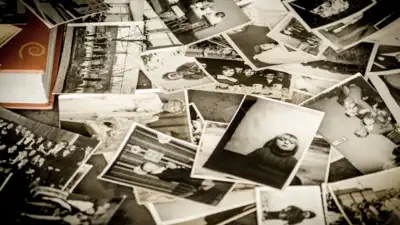
An old photograph tucked inside a drawer, a message from someone who is no longer part of everyday life, or a movie ticket saved years after a memorable date can carry a significance that has little to do with its physical value. For some people, these objects are reminders of relationships, important life stages and versions of themselves they do not want to forget. Psychology offers an explanation for this attachment. Objects can act as cues for autobiographical memory, helping people revisit personal experiences and reconnect with the emotions associated with them. What appears to be ordinary clutter may, in fact, represent a personal history that remains meaningful long after the moment has passed.
A 2021 review titled Possessions and memories, published in Current Opinion in Psychology on ScienceDirect, examined the relationship between physical belongings and remembering. Because of their usefulness or monetary value, people do not attach meaning to objects solely. Because of the experience associated with it, the person who gave it to them or the period of life it represents, an item can become important. Because it captures a relationship at a particular point in time, even an ordinary conversation saved in a phone can become meaningful.
A handwritten note might recall a friendship, while an old photograph can bring back the atmosphere of a family gathering. The researchers discussed how photographs, souvenirs and other possessions can support memory, while also highlighting the different ways people connect objects with their personal experiences. Such belongings can serve as reminders when the original experience is no longer immediately accessible. Their importance often comes from the memories they help people retrieve rather than from the objects themselves.
Research published in the European Journal of Social Psychology in 2019 examined how nostalgia can contribute to a sense of meaning in life. A 2023 review in Current Opinion in Psychology described nostalgia as a strongly social emotion, noting evidence that nostalgic reflection can reinforce feelings of connection with others. Nostalgia is more than simply missing the past. A photograph from school, for instance, may remind someone of their former ambitions, friendships or personality, offering a point of comparison with their present life. Across four experiments, researchers found evidence that nostalgia could strengthen feelings of social connectedness and continuity between past and present selves, which in turn helped people experience greater meaning in their lives. It can also be a way of understanding one’s personal journey and recognising the experiences that contributed to the person one has become. Digital memories can carry the same emotional significance as physical keepsakes. Old text conversations, voice notes and photographs may preserve details that people associate with a relationship, including private jokes, shared routines and moments of emotional closeness. Deleting these records can sometimes feel like letting go of more than a collection of files. For some people, it may symbolise accepting that a relationship has changed or that a particular chapter of life has ended. However, keeping old messages does not automatically mean someone is unable to move on. People preserve memories for different reasons, including affection, personal history, curiosity or a desire to remember how they felt at a particular time. The more relevant question is how the memories affect everyday life. Looking through old photographs occasionally may provide comfort, while repeatedly revisiting painful conversations can sometimes keep difficult emotions active. The same object can be reassuring at one point and distressing at another, depending on the circumstances and the meaning attached to it. Nostalgia frequently involves other people. An old photograph may represent not only a particular day but also the feeling of belonging to a family, friendship group or community. Even when those relationships change, the memory can preserve a sense of connection. Researchers also linked this sense of connectedness with psychological benefits such as greater meaning in life, optimism and a stronger sense of continuity across time. Yet nostalgia is not always entirely comforting. Remembering a happy period can also highlight its absence, bringing affection and sadness together. Missing a person or a former version of life does not necessarily mean wanting everything to return exactly as it was. There is no universal rule for how long someone should keep old photographs, gifts or messages. Some people find comfort in preserving reminders of the past, while others prefer to remove objects associated with difficult experiences. Neither response, by itself, determines whether someone has moved on. Emotional recovery does not require erasing personal history, just as keeping a memory does not require remaining attached to the circumstances surrounding it. Ultimately, the meaning of an old object lies in the experience it represents. A photograph, a saved message or a seemingly insignificant souvenir can become a small bridge between the past and the present, helping people remember the relationships they valued, the experiences that shaped them and the person they have become. You use AI every day. Now get your AI Quotient. Take the AIQ test Get the latest Lifestyle News and more. Download the TOI app.
It involves a sentimental longing for earlier experiences, often bringing together memories of people, places and moments that helped shape an individual’s sense of self. Remembering an earlier chapter of life can help people recognise how they have changed while maintaining a sense of continuity with who they once were. This suggests that revisiting old memories is not necessarily an attempt to return to an earlier period.