Autumn feels like the perfect time to get everything into the ground. The air is cooler, the soil is warm and moist, and garden centres are full of tempting plants. But not every plant is happy to be planted in fall. Some need a long stretch of frost-free weather to put down roots, and if they’re planted too late, they struggle to survive the winter. This advice is mainly for places with cold winters, like the hill regions of India, while in warm plains, the rules are much more relaxed. Here are five plants to hold off on, and what to grow in their place.
Because cooler temperatures and more rain help their roots get established before winter, instead, fall is a great time to plant deciduous trees and shrubs, as well as many perennials,. If you plant it too late in autumn, it won’t have enough time to build strong roots before winter, and young plants handle cold snaps poorly. It needs to be in the ground at least eight weeks before the first frost, or it won’t establish properly and may not return in spring.
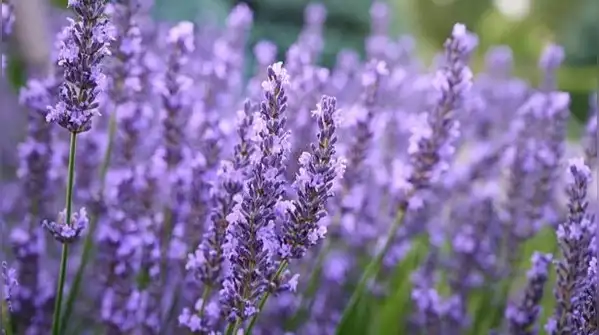
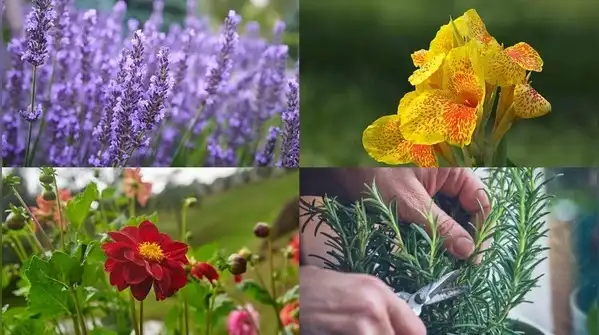
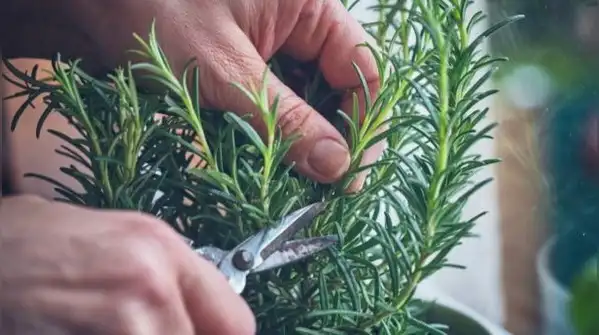
Rosemary loves heat, and in many regions it’s only a perennial in mild climates. If you live in a cold area, it’s better to wait until spring. For fresh herbs now, grow frost-tolerant ones like parsley, coriander and dill, which love cool weather, or hardy thyme and sage. Lavender is tough once it’s settled, but planting it in fall is risky. Late planting also makes it prone to fungal problems from autumn rain and winter thaws. Wait until spring, when the soil has warmed up. In the meantime, plant sturdy, sun-loving perennials like coneflowers and black-eyed Susans, which thrive in well-drained soil. Dahlias grow from tender tubers that can’t tolerate cold winter soil. If you plant them in fall, they’re likely to rot or freeze before they ever flower. Wait until spring, once the risk of frost has passed, and plant them then. If you want blooms to look forward to, autumn is the time for spring-flowering bulbs, such as tulips, daffodils and crocuses. Plant those now, and they’ll reward you with a burst of colour next spring. It may seem odd, but evergreens like boxwood, rhododendron and arborvitae are often better planted in spring. The dry, windy weather of late autumn and winter can dry out their leaves while their roots are still settling in, leaving them stressed. The bottom line is that fall planting is wonderful for the right plants. Choose the hardy ones now, leave the tender and shallow-rooted ones for spring, and your garden will thank you with healthier plants and fewer losses. This article is intended for general informational purposes only. These recommendations are based on temperate climates with cold winters; in most of India’s plains, frost isn’t a concern, and the best planting times vary by region and plant. Consult a local nursery or horticulture expert for advice suited to your area.