
In 2007, competitive gaming in India had no leagues, few sponsors and very few paid players. Tournaments came and went. Players paid their own way to reach them, and most quit when the money ran out.
Basu has organised or taken part in more than 500 college events, from Mizoram to Chennai. In 2013, he launched the Asian Football Gaming Championship (AFGC), which has since sent more than 27 Indian players to compete abroad*. In 2018, he founded LetsGameNow (LGN). 1. https://timesofindia.indiatimes.com/city/jaipur/indian-super-gaming-league-announced-as-indias-first-franchise-based-national-esports-competition-league-to-feature-8-teams-across-5-games/articleshow/128950409.cms The article has been produced on behalf of Santanu Basu Education by Times Internet’s Spotlight team.
He signed with US-based esports organisation Tempo Storm as its only Indian player, and stayed for seven years. That year, a young football gamer arrived in Mumbai for a national qualifier with barely enough money for the trip. He had travelled part of the way in a train’s toilet compartment. He couldn’t afford a room, so he slept on the city’s streets. Then he finished third. That player was Santanu Basu, and the event was the World Cyber Games India qualifiers. The result earned him a job and a sponsorship with a gaming company, which was rare for Indian gamers at the time. It also began a career that has now run for almost two decades. Over the next decade, Basu built one of the longer competitive careers in Indian football gaming. He represented India in FIFA tournaments abroad, with third-place finishes in China, France and Malaysia. AMD named him its first gaming brand ambassador in India, and Sony PlayStation made a documentary on his life. Alongside competing, he started building for others. The company started with football gaming events, then expanded to other titles and began developing its own mini-games. You use AI every day. Now get your AI Quotient. Take the AIQ test.
The Indian Super Gaming League (ISGL) was launched in 2026 as a franchise-based national esports league 1 . Eight teams compete across five titles: FC 26, Cricket 26, Call of Duty: Mobile, chess and table tennis.
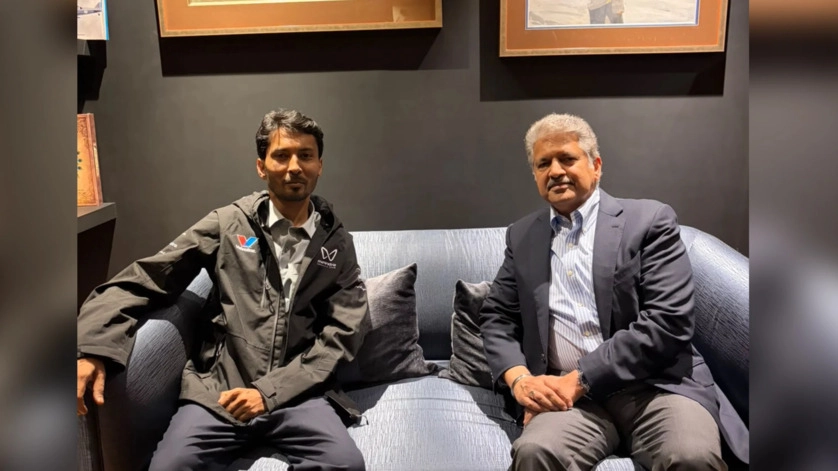
After the decades of gaming experiences you had, what are the achievements you are most proud of and what according to you remains unfinished? The move from player to organiser changed the job. Instead of preparing for his own matches, Basu was building teams, running events and finding partners. His years as a competitor gave him a clear brief: players need access, exposure, regular competition and a credible route to international events. His latest project is the most ambitious. Teams include Indian Super League clubs Mumbai City FC, Kerala Blasters FC, Chennaiyin FC and FC Goa, and Pro Kabaddi side Puneri Paltan. The league runs city qualifiers to find new players, and has drawn investment from Anand Mahindra’s family office. The early results are encouraging. Saransh, who played for Mumbai City FC in ISGL’s first season, went on to represent India at the Esports World Cup in Paris. We spoke to Basu about what the league offers young players, and where he wants it to go. ISGL has permanent teams and seasons, not one-off tournaments. What does that mean for a young player? It gives them consistency, and a real scope for long-term career development. Players get to build teams and work as teams. Regular competitive matches mean regular practice, so skills keep improving. Most of all, it creates a structured ecosystem. Players can develop professional skills and build a reputation, which is what a sustainable career in competitive gaming needs. Saransh went from ISGL to the Esports World Cup in Paris. Can other players follow that route? Saransh’s journey shows the opportunity the league creates for Indian talent: visibility, and access to bigger competitive platforms. Every player will have a different journey. But the league aims to create international opportunities for all its players. ISGL intends to build an ecosystem that identifies talent, nurtures it and gives it exposure to compete at the highest level. LetsGameNow has also built a game, Bharat Run. What is it, and what else is LGN working on? With Bharat Run , we want to create an educational and engaging experience that is deeply rooted in Indian identity and culture. More broadly, LGN is building a gaming and digital ecosystem that connects entertainment, technology, commerce and community. Our e-commerce platform will help gaming communities discover and access relevant products. Beyond tournaments, we want to develop original gaming experiences and create opportunities for talent. We see gaming as a platform for entertainment, innovation, learning and economic opportunity. What is the bigger vision for ISGL? To build a world-class esports ecosystem in India. One that nurtures talent, creates global opportunities, and gives competitive gaming the professional recognition and sustainability of traditional sports. What does this journey mean to you? It reminds me of the extent to which Indian esports have come and how far it can go ahead. At one point of time, I fought for my own opportunity. I’m most proud to move beyond competition and being able to create opportunities for others. From AFGC, to LGN and ISGL, my goal has always been bigger than just one player or one tournament. I think, the mission to make India a global esports powerhouse for talents to build long-term sustainable careers and compete internationally is yet unfinished but in progress. Where do you see the league in three years? As one of India’s leading esports and gaming properties, recognised for its professional standards, its ability to develop talent, and its business model. We want a strong, loyal fan base and sustainable careers for players, coaches and other esports professionals. Above all, we want ISGL to be recognised as a pathway for Indian talent to reach international stages. For a player who once had to find his own way to a tournament, the aim now is to make that route easier for the next generation. References:
Starting your journey to compete on the streets of Mumbai, today you are building a national esports league. So, today I want to build a system for the next generations where they can get the chance without having to fight this hard.