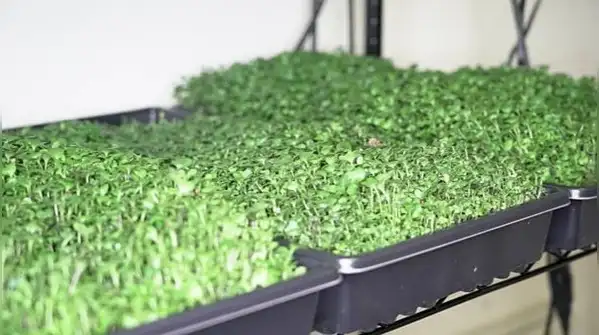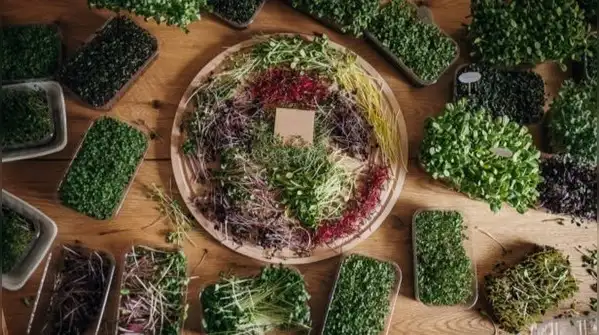
A handful of fresh greens on a windowsill can lift an ordinary meal. Sprouts and microgreens are two popular ways to grow your own food at home, and people often use the names as if they meant the same thing. They do not. Sprouts are seeds germinated in water for a few days and eaten whole, while microgreens are young seedlings grown in soil or a growing mat for one to three weeks and snipped above the roots. Both are cheap, quick and need no garden. Here is how they differ and how to grow each one at home.
What is the difference?
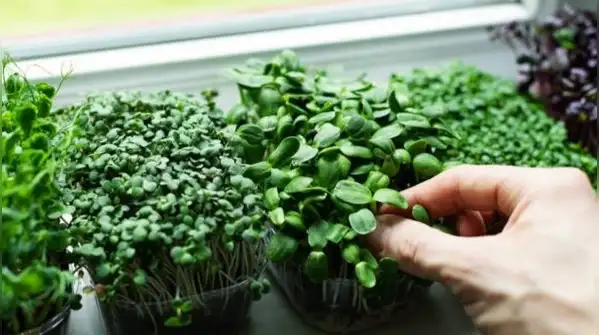
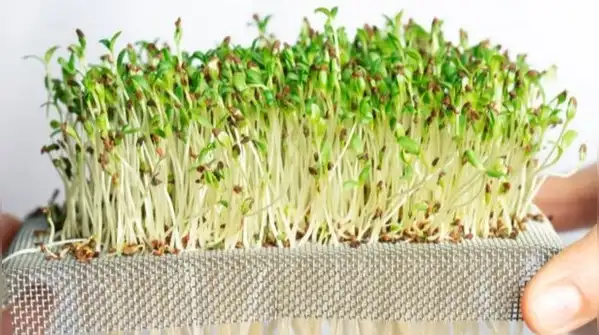
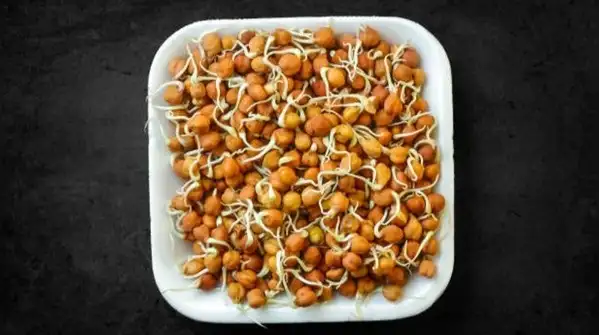
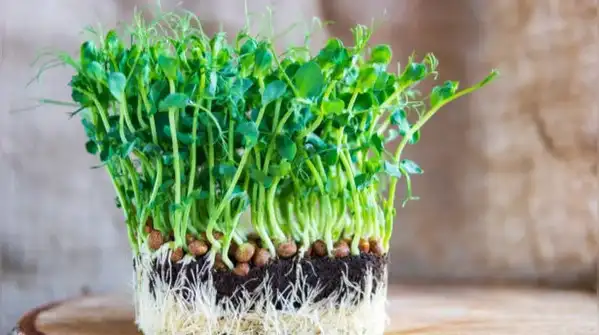
Rinse a quarter cup of whole seeds or pulses such as moong, chana or methi, then soak them in water for 6 to 12 hours. Sprouts are the germinated seed itself, with its tiny root and pale shoot, and they are eaten whole. Moong, chana, methi and alfalfa are common choices. They need no soil or light, only water and warmth, and are ready in two to five days. Microgreens are the first leaves of a young plant, such as radish, mustard, coriander or fenugreek. They need light and a growing medium, and are harvested in one to three weeks. Sprouts taste mild and nutty, while microgreens often have a stronger, fresher flavour and bright colour. Drain well and place them in a jar covered with muslin, or in a colander lined with a damp cloth. Keep them in a warm, shaded spot. Rinse them with clean water twice a day and drain thoroughly each time, since standing water spoils the batch. Moong sprouts in about one to two days, and chana in two to three. They are ready when small white tails appear. Rinse once more and refrigerate. You need a shallow tray with drainage holes, a thin layer of potting mix or a coir mat, seeds and a spray bottle. Fill the tray with about an inch of damp soil, scatter the seeds thickly and press them down lightly without burying them. Cover the tray for two to three days to keep it dark and moist, then move it to a bright windowsill or under a grow light. Mist daily, or water from the bottom, so the soil stays damp but not soggy. Radish and mustard are ready in about a week, and coriander and fenugreek take a little longer. Cut them just above the soil with scissors.
Which one should you choose?
Choose sprouts if you want something quick, cheap and soil-free, and you are happy with simple, mild flavours. They suit salads, chaat and sabzis. Choose microgreens if you want variety and a garnish with bold flavour and colour, and you have a sunny spot and a bit of space. Both can be grown all year round indoors. You can start with one and add the other later, since the effort and tools involved are small. Sprouts need extra care. The warm, damp conditions they grow in can also encourage bacteria, so use fresh seeds meant for sprouting, wash your hands and equipment, rinse often and keep them clean. Discard any batch that smells sour or looks slimy. Health authorities generally advise children, older adults, pregnant women and people with weak immunity to eat sprouts cooked. Microgreens are grown in soil and cut above the roots, which makes them easier to keep clean, but they should still be washed before eating. Avoid overcrowding and overwatering, which cause mould, and give them enough light so they do not turn pale and leggy. This article is intended for general informational and gardening purposes only. Growth times and results vary with seeds, temperature, light and individual technique. Raw sprouts can carry bacteria, so wash your hands, use clean water and equipment and discard any sprouts that smell bad or look slimy. Children, older adults, pregnant women and people with weak immunity should eat only cooked sprouts. People with food allergies or specific dietary needs should consult a doctor or dietitian.