
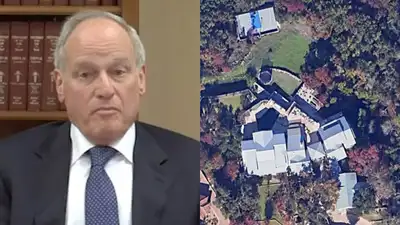
Sackler’s leadership at Purdue Pharma remains closely linked to OxyContin’s controversial marketing and the company’s legal battles.
The home at 60 Field Point Circle is now tied to the Sackler family’s obligations under a $7.4 billion settlement involving opioid claimants. On October 28, US Bankruptcy Judge Sean Lane rejected efforts by Sackler and Gao to prevent the property from being sold, keeping the mansion within the pool of assets being used to fund the settlement. The Greenwich mansion was transferred from one Sackler family trust to another as part of efforts to free up money for a $62 million settlement payment, according to Reuters.
A grand Greenwich residence is rarely the kind of place one expects to find at the centre of a bankruptcy dispute. Yet Richard Sackler and Lin Gao’s Connecticut mansion has become one of the most closely watched properties in the continuing financial fallout from Purdue Pharma and the US opioid crisis. The property dispute is only one part of a much broader reckoning involving the family that once owned Purdue Pharma. The pharmaceutical company became one of the most recognisable names in the opioid crisis through its aggressive marketing of OxyContin, a prescription painkiller that became central to the national addiction epidemic. The resulting settlement requires the Sackler family to provide much of the funding, with a substantial portion directed towards state and local governments. Both requests were rejected by Lane during Wednesday’s hearing. The judge’s decision means the property remains subject to the process of converting pledged assets into funds for the settlement. Reuters reports that Lane viewed the couple’s attempts to interfere with the sale as inconsistent with the obligations they had undertaken as part of the settlement arrangements. For now, the Field Point Circle property remains occupied, but its status has changed dramatically. Rather than simply being a private family residence, it has become part of a court-supervised effort to fulfil financial commitments arising from Purdue Pharma’s bankruptcy. Reuters notes that Sackler also owns four other homes, including a primary residence in Florida. The Connecticut mansion, meanwhile, remains caught between private ownership, family occupancy and the demands of a settlement designed to address the enormous human and financial consequences of the opioid crisis.
Reuters reports that Lane had previously determined the Greenwich residence was among the assets pledged by Sackler family members as collateral for their commitments under the agreement. Sackler and Gao sought to challenge the earlier ruling concerning the property and asked the court to temporarily stop any sale.
The ruling does not require Sackler and Gao to immediately leave the residence. However, the court left open the possibility of further action if the dispute continues, including sanctions or measures affecting their occupancy.