
Image: The Independent
A British comedy fundraiser that began with a televised appeal in 1985 has grown into one of the country’s best-known charitable initiatives, raising more than £1.6 billion over four decades. Its flagship campaign, Red Nose Day, launched in 1988 and turned comedy, celebrity performances and public participation into a recurring fundraising event. Three years after Comic Relief was established, its flagship fundraising campaign, Red Nose Day, was launched in 1988. The inaugural Red Nose Day raised approximately £15 million, according to Comic Relief’s official history. In 2002, Comic Relief launched Sport Relief, a fundraising initiative that encouraged people to participate in sporting and physical activities to support charitable causes. Red Nose Day 2015 raised £99,418,831, according to the charity’s official historical records.
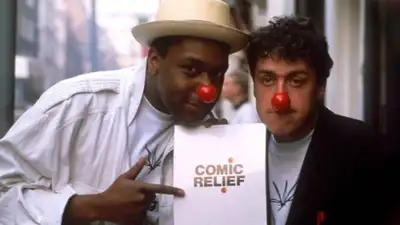
Founded amid the humanitarian crisis caused by famine in Ethiopia, Comic Relief brought comedians and entertainers together to encourage people to donate to those in need. Over the years, the charity has supported thousands of projects in the UK and internationally, helping organisations tackle poverty, improve access to essential services and support vulnerable communities. What began as an unconventional fundraising idea has become a long-running movement combining entertainment with charitable giving. The founders developed an approach that used comedy and entertainment to engage audiences with charitable causes. Rather than relying exclusively on conventional appeals, they sought to make fundraising accessible to a broad public through humour, television and collective participation. The first event combined comedy sketches, television appearances and public fundraising to encourage donations for people facing poverty and hardship. The televised event featured comedy performances involving Blackadder and The Young Ones, helping establish a format that would become a recurring feature of British television and popular culture. The red nose became the campaign’s recognisable symbol, giving supporters a simple way to participate and show their support. Over time, the event expanded to include celebrity challenges, community activities, merchandise and donations from individuals and businesses. Comic Relief built its approach around the idea that entertainment could encourage people to engage with serious social issues. Comedy sketches, celebrity appearances and fundraising challenges became central features of its televised campaigns. The initiative broadened the charity’s fundraising approach beyond comedy and television performances. The campaign featured comedy performances, celebrity appearances and fundraising challenges designed to encourage public donations.