
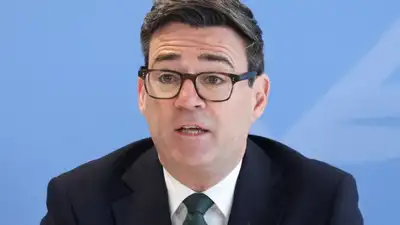
UK PM Burnham indicates Britain may apologise for role in slave trade (File photo)
Burnham stressed the need to acknowledge the country’s role in the trade itself While UK politicians have traditionally highlighted Britain’s role in abolishing the slave trade in 1807 and slavery across the British Empire in 1833.
The UK could issue its first apology for its role in the trans-Atlantic slave trade, with Prime Minister Andy Burnham stressing the need for Britain to acknowledge its “complicated history” to safeguard the Commonwealth, a grouping of 56 independent nations that evolved from the British Empire. Burnham said his government would begin a “structured dialogue” with those affected by slavery and consider calls for a formal state apology, but would continue to resist demands for reparations. “I do not think that British people today can be held liable for historical wrongs, however heinous, that happened in a different age under different laws and in which they played no personal part,” he added. “We are a country where brave people led the way in abolishing slavery, but we are also a country that participated in the trade in human lives,” Burnham wrote. “The trans-Atlantic slave trade was a brutal and barbaric violation of those people. … I want to express my sorrow and regret for the pain and suffering of so many millions of people, and to recognize the way it still shapes our world today.” (With AP inputs) You use AI every day.
“For years, those members of the Commonwealth affected by the slave trade have asked for an honest conversation about the legacies of slavery. Instead, he pledged to address contemporary challenges facing Commonwealth nations, including mounting debt in developing countries. He also promised to work with wealthy nations and investors to help vulnerable countries repay their debts over longer periods and at lower interest rates. Now get your AI Quotient. Take the AIQ test.
By sticking our heads in the sand, we have damaged the ability of the Commonwealth to function,” he wrote in The Guardian on Saturday.
In 2020, anti-racism protesters in Bristol pulled down a statue of Edward Colston, a merchant and former deputy governor of the Royal African Company, which transported enslaved people to English colonies in the Americas. Burnham is due to visit Antigua and Barbuda next week for a meeting of Commonwealth leaders.
His position also comes amid growing calls, particularly from younger voters and activists, for Britain to “confront” its colonial past. The remarks come as Britain seeks to strengthen ties with Commonwealth allies amid global economic, environmental and military challenges.