
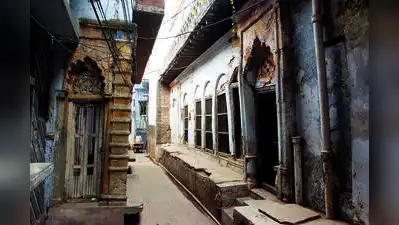
There was a time when a Lucknow neighbourhood needed no security gate. The lane itself knew who lived there
You Can Also Check: Gold Rate in Lucknow | Silver Rate in Lucknow | Bank Holidays in Lucknow | Public Holidays in Lucknow | Lucknow AQI | Weather in Lucknow | Petrol Price in Lucknow | Diesel Price in Lucknow | CNG Price in Lucknow | LPG Price in Lucknow Stay updated with the latest Lucknow news.
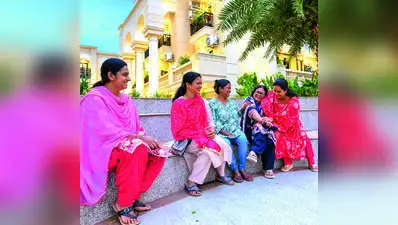
It is about the changing meaning of “neighbour”. Former RWA member Aniket Mishra says, “We built gates to keep strangers out — and then created WhatsApp groups to get to know the people inside. There was a time when a Lucknow neighbourhood needed no security gate. The lane itself knew who lived there There was a time when a Lucknow neighbourhood needed no security gate. The lane itself knew who lived there From open doors and terrace conversations to access cards and WhatsApp groups, Lucknow has changed not just where it lives — but how it lives. The lane itself knew who lived there. The grocer knew which house needed milk every morning. The elderly woman sitting outside knew which child belonged to which family. Children moved freely from one home to another, cricket matches took over the street, and a wedding could turn the entire mohalla into an extended family. The mohalla was not just a place. It was a relationship. Gates have replaced open lanes. Apartment towers have replaced many independent homes. Security guards stand where neighbourhood familiarity once stood. Visitor-management apps, CCTV cameras, clubhouses, gyms and landscaped parks have become part of the vocabulary of urban living. And the city’s transformation is not simply about architecture. For Anurodh Rai, an RWA president, the modern residential community offers something the traditional mohalla often could not — organised security, better maintenance and amenities that make everyday life easier. But building a sense of community now requires conscious effort. “In an old mohalla, people simply knew one another. In a gated society, residents may need festivals, meetings, WhatsApp groups and community activities to create that familiarity,” he observes. For Neha Mishra, a resident of Old Lucknow, the biggest change is perhaps the loss of everyday spontaneity. The older neighbourhood, she recalls, was one where you could walk into a neighbour’s house without an appointment, borrow something from the next door and expect children to find half a dozen friends simply by stepping outside. There was less privacy, perhaps, but there was also less isolation. A neighbour knew when someone was unwell. Someone noticed when an elderly resident had not stepped outside. During festivals, the boundary between one house and the next became almost invisible. You did not have to organise community. You simply lived in one. FROM THE LANE TO CLUBHOUSE The new Lucknow has brought undeniable gains. Families want secure homes. Working couples value convenience. Children need safe play spaces. Residents want parking, power backup, lifts, gyms, swimming pools, landscaped gardens and professional maintenance. The gated community provides all of this. But it has also changed the rhythm of social life. The old terrace has become the clubhouse. The neighbourhood shop has become the delivery app. The street cricket match has become an organised play zone. The evening gathering outside the house has become a residents’ meeting. And the familiar voice calling from one terrace to another has been replaced by a notification on the society WhatsApp group. Technology has changed but the need for community hasn’t. The modern neighbourhood is more secure, more organised and often more private. But it sometimes must work harder to become neighbourly. RELATIONS NOT BUILT, BUT FORMED Priya Maheshwari, an RWA member, represents the generation living comfortably between these two worlds. Modern communities, she points out, can create their own sense of belonging — through festival celebrations, children’s activities, residents’ groups, cultural programmes and everyday interactions in lifts, parks and common areas. The old mohalla gave it to you. The new neighbourhood asks you to participate, and perhaps, that is not necessarily a bad thing. Download the TOI App.
But today, Lucknow’s skyline tells a different story. The difference is that today’s community must be built deliberately.