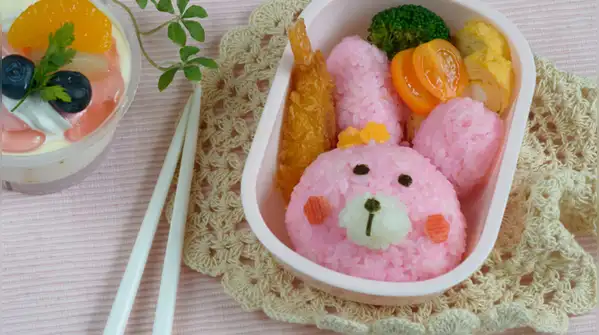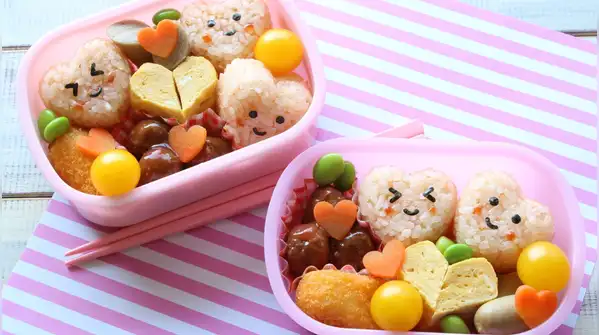
Here are 10 Japanese dishes and treats that are almost too adorable to eat. Japan has a remarkable ability to turn an ordinary meal into something that makes you pause before taking the first bite. A rice ball can become a sleepy panda, a traditional sweet can look like a tiny animal, and a simple lunchbox can be transformed into a miniature cartoon scene. This is the world of kawaii, the Japanese culture of cuteness that has found a natural home in food. But kawaii food is not simply about making things look pretty. Japanese cuisine has long placed importance on presentation, balance and seasonality. Kawaii food takes those ideas and adds a playful, often character-inspired twist.
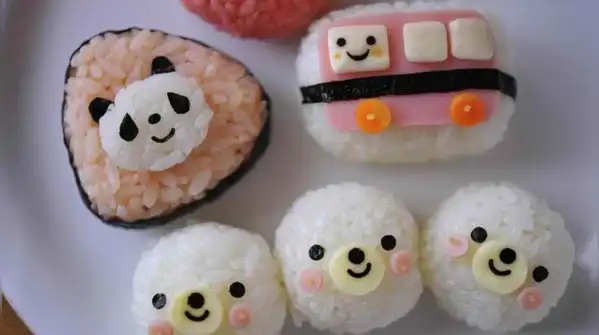
Onigiri is one of Japan’s simplest comfort foods: rice is shaped into balls or triangles and often filled with ingredients such as salted salmon or pickled plum. Kawaii versions turn them into tiny pandas, cats, bears and other animals, using nori for eyes, whiskers and ears. What was once an everyday snack suddenly looks like a tiny character staring back at you. Few foods capture Japanese kawaii culture better than kyaraben, or character bento. These elaborate lunchboxes use ordinary ingredients, rice, vegetables, eggs, meat and seaweed, to recreate cartoon characters, animals and sometimes entire scenes. Making one can require careful cutting and considerable patience. The finished lunch is designed to be eaten, but it can look far too carefully crafted to disturb. Japanese curry is hearty, filling comfort food, but kawaii cafés have found a way to make it considerably cuter. Rice is shaped into pandas, bears or other animals and served alongside a pool of thick Japanese curry. Small pieces of nori often provide the facial details. The contrast is part of the charm: a serious bowl of comfort food suddenly has an irresistibly cute face. Traditional Japanese wagashi can already resemble tiny pieces of art, particularly seasonal varieties. Confectioners carefully mould sweet bean paste and mochi into flowers, leaves and animals, often reflecting the season. Some are so intricate that they seem better suited to a display case than a dessert plate. Yet their purpose remains the same: to be admired briefly and then eaten. When spring arrives, cherry blossoms inspire an entire range of seasonal foods in Japan. Sakura-themed mochi, wagashi, cakes and jellies often use delicate pink colours and flower-shaped decorations. Some incorporate the subtle flavour or aroma of salted cherry blossoms. Their appeal lies in their fleeting quality: they are designed to evoke a particular season as much as satisfy a sweet tooth.