
What started as a small homemade food cart on a pavement in New Jersey has grown into a fast-casual restaurant chain with more than 400 locations across North America. Playa Bowls was founded in 2014 by local surfers Robert Giuliani and Abby Taylor. In 2026, the company passed the 400-store mark after recording $332 million in total systemwide sales in 2025.
Its rapid growth, from a small beachside business to a major national franchise, reflects growing customer interest in healthy and customizable fast-food options.
With less than $5,000 to start, the pair built a simple food cart using reclaimed wood, bought a blender, and opened for business outside a local pizza shop on Ocean Avenue. After their first beachside locations proved successful, Giuliani and Taylor started offering franchises in 2016. In 2024, private equity firm Sycamore Partners bought a majority stake in Playa Bowls. The brand opened dozens of new stores during 2024 and 2025, according to reporting by QSR Magazine. To manage its growing network of more than 400 stores, Playa Bowls appointed Dan Rowlands as Chief Executive Officer in late 2024. As reported by QSR Magazine, Playa Bowls has set a target of reaching 800 locations by the end of the decade. Playa Bowls now operates in more than 35 US states.
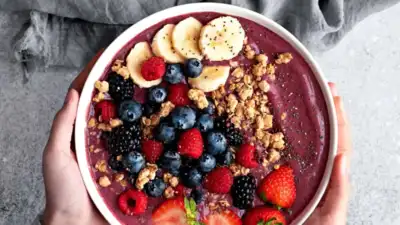
The business grew quickly by focusing on beach towns, college campuses, and shopping areas in suburban neighbourhoods, according to figures reported by Entrepreneur magazine. The company has also signed additional franchise agreements to bring the brand to new international markets. The idea for the business came after Giuliani and Taylor spent years travelling to popular surfing destinations, including Panama, Costa Rica, Nicaragua, and Puerto Rico. During their trips, they discovered fruit bowls made with superfoods at small beach huts. They saw a chance to bring the same idea to the American fast-casual market and decided to start a business in their hometown of Belmar, New Jersey. They convinced the building’s owner to let them use an outdoor electrical outlet by connecting their extension cord to it. Unlike traditional fast-food restaurants, Playa Bowls built its identity around a relaxed beach style. Its stores feature hand-painted wall art, neon signs, and decorations inspired by surfing and coastal life. The menu offers customizable bowls made with superfood bases such as açai, pitaya, coconut, chia pudding, and green smoothie blends. Customers can add fresh fruit, nuts, and different toppings and sauces. The deal provided money to support business growth, improve company operations, and strengthen its supply chain. It also expanded into less traditional locations, including airports, military bases, and stadiums. The founders moved into advisory positions and roles as brand ambassadors. Under the new leadership, the company changed parts of its business structure to support expansion across the country. Its expansion plans include more stores in the Midwest and on the West Coast. Despite these changes, company leaders say keeping the brand’s original identity remains an important part of its growth plans. Stores continue to display local artwork created by in-house artists. This helps maintain the relaxed coastal style that first made the Belmar location stand out.
Reporting by Entrepreneur magazine confirms that total systemwide sales reached $332 million in 2025. Franchised stores generated an average of around $1.2 million in annual sales. Some of the best-performing locations in coastal and suburban areas brought in more than $2 million each year. The simpler setup also allows locations to operate in smaller spaces, usually between 1,200 and 1,800 square feet.
The company reached new financial records over the past two financial years. This growth was supported by strong store performance and steady revenue from individual locations. Playa Bowls stores mainly need blenders, refrigerators, and food preparation counters. They do not require deep fryers or commercial ovens. This helps keep the cost of setting up a store lower than that of a traditional fast-food restaurant.
The relatively low cost of opening a Playa Bowls store, compared with restaurants that need large kitchens, has attracted franchise owners who previously operated multiple locations for other major fast-casual brands.