
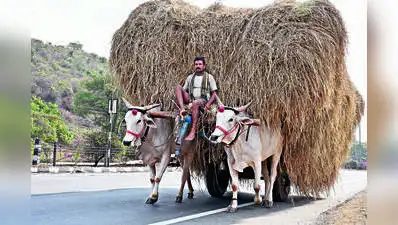
Nagpur: Nagpur district currently has enough fodder to feed its livestock for an estimated 260 to 270 days, yet concerns over possible shortages in the coming months have prompted the administration to launch an extensive exercise to identify vulnerable villages, bring unused land under fodder cultivation and prepare storage facilities for emergencies.
District collector Kumar Ashirwad, while chairing a fodder scarcity review meeting at the collectorate on Wednesday, directed officials to initiate preventive measures immediately, with particular emphasis on meeting fodder requirements and developing long-term solutions.
The collector also directed taluka officials to coordinate with representatives of 173 institutions across the district to discuss fodder availability, seed distribution and awareness initiatives. You Can Also Check: Gold Rate in Nagpur | Silver Rate in Nagpur | Bank Holidays in Nagpur | Public Holidays in Nagpur | Petrol Price in Nagpur | Diesel Price in Nagpur | CNG Price in Nagpur | LPG Price in Nagpur Stay updated with the latest Nagpur news.
Ashirwad said demands from farmer groups and women’s self-help groups, beyond the existing individual-beneficiary scheme, could be considered for funding through District Planning Committee (DPC). A major focus will be identifying land that can be brought under fodder cultivation. Tehsildars have been instructed to map available revenue land, fallow plots and other suitable areas, while water resources, conservation and minor irrigation departments must submit village-wise details of reservoir drawdown areas available for cultivation by December-end. Taluka agriculture officers have been asked to identify farmers and livestock owners willing to cultivate fodder on such land, including grazing grounds and revenue wasteland. To determine where shortages could emerge, animal husbandry officials must prepare village-wise data on livestock populations, existing fodder stocks and areas potentially vulnerable to scarcity. The administration has also opened the possibility of additional financial support for fodder seeds. Another priority is storage. Departments must identify warehouses and suitable locations for preserving dry and green fodder in case emergency procurement becomes necessary. All concerned taluka-level officials must complete joint meetings and finalise necessary information and action plans by Friday evening. Alongside fodder preparedness, Ashirwad ordered village-wise water scarcity plans, priority repairs to check dams and borewells, and field inspections involving sarpanches and gram panchayat members. Officials have also been asked to document field visits through photographs and videos to keep residents informed about preventive works. The exercise aims to ensure that livestock owners have access to fodder and water even if drought-like conditions intensify. Download the TOI App.