
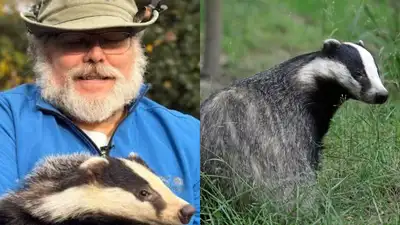
Rescued from a cattle trough in April, Harriet was nursed back to health by ecologist Graeme Wilson.
However, her behaviour soon raised concerns about whether she could survive independently. Given her bottle feeding response and familiarity with humans, Wilson suspected Harriet was hand-reared before her rescue. Wilson operates GW Ecology, an independent wildlife rescue and rehabilitation service from his home in Denholm. Alongside caring for injured animals, his work involves ecological surveys to identify protected species at proposed development sites. He also organises bat walks, workshops and educational activities to encourage greater awareness of wildlife conservation. However, the application was rejected. NatureScot suggested that Harriet should either be returned to the wild or transferred to a zoo. Wilson believes neither option would adequately address her circumstances. he fears a conventional zoo environment would leave her isolated and distressed While a release could expose her to injury or death. NatureScot has indicated that discussions with Wilson and other relevant organisations are continuing in an effort to find a practical resolution. The authority has emphasised that Harriet’s welfare remains central to its decision-making process. Police Scotland has also been made aware of the situation. Meanwhile, the Scottish SPCA advises people who encounter sick or injured badgers to contact its rescue officers rather than attempting to handle the animals themselves. Young cubs found away from their setts may need help, and frightened or injured badgers may attack.
Wilson still wants a safe future for Harriet. Whether that means an exception to the usual rules or another arrangement, the case highlights the difficult balance between individual animal welfare and the principles of wildlife conservation.