A former governor in North Carolina. A Methodist pastor in Kansas. A progressive doctor in Michigan. Democrats have assembled a winning coalition whose candidates offer different answers to the question now facing the party: what exactly have Americans voted for?
Choosing Fights Democrats must decide which measures are worth negotiating with Trump and which are intended to expose differences before 2028. Its victory therefore cannot be read as approval for an unrestricted Democratic programme. Abdul El-Sayed won Michigan after securing the backing of progressive leaders, including Bernie Sanders.
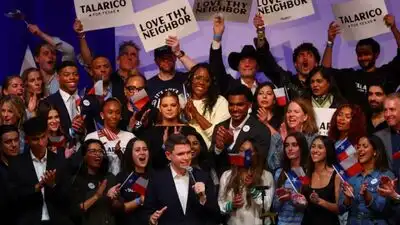
Roy Cooper brought two terms as governor to his North Carolina Senate campaign. Adam Hamilton’s Kansas victory drew on the standing of a prominent religious leader. There was more than one route through Republican defences. Local Credibility Travelled Further The tempting conclusion is that Democrats have discovered a single national formula. The evidence points instead towards candidates adapting to their states. In Texas, James Talarico combined an economic message with religious language, while moderating positions on some contentious social issues. Hamilton presented himself to Kansas voters as an independent-minded Democrat. These approaches gave voters ways to support an opposition candidate without necessarily embracing every position associated with the national party. That matters for Democrats’ next election. Rejection Easier Than Agreement The AP Voter Poll found Democrats held at least modest advantages on handling the economy and corruption. Yet the party was not substantially more popular than the Republicans. Members elected from Republican-leaning territory will have particular reason to demonstrate practical results. Others will face pressure from supporters demanding investigations and a more combative opposition. Those choices will determine whether their majority looks useful or oppositional. You use AI every day. Now get your AI Quotient. Take the AIQ test.