
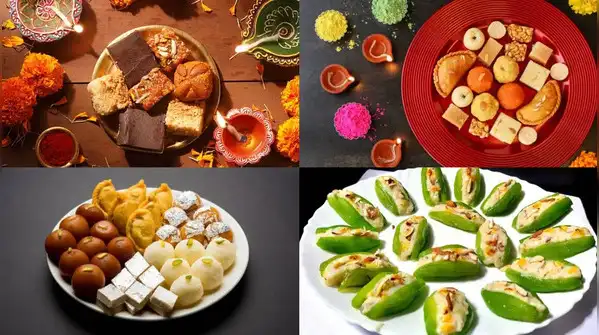
No Diwali is complete without a box of mithai, but every year, the festive rush also brings a darker side. With demand for milk, ghee, khoya and paneer shooting up, food safety teams across the country conduct raids and seize large quantities of adulterated products. That doesn’t mean you should give up on sweets, only that it pays to be a little careful before you buy and serve them. You don’t need a laboratory, since a few simple checks at home can help you spot warning signs. Here are five easy ways to pick safer sweets for your family.
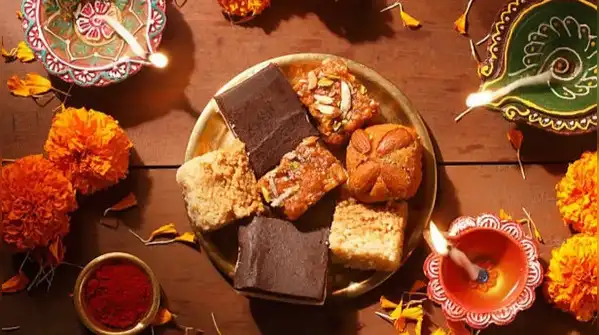
Things to check before buying Diwali mithai
Because iodine is not meant to be eaten, never taste the sample afterwards,. Because the best sweets aren’t just the ones that look good in the box, they’re the ones that you can feel confident about sharing with the people you love. The first check happens before you even taste anything. Buy from a licensed, trusted shop, and look for the FSSAI licence number displayed at the counter or printed on the packaging. For packaged sweets, check the manufacturing and expiry or best-before dates. Food safety officials have also advised consumers to check these details before buying. If a shop looks unhygienic, or the sweets are sitting uncovered in the sun, that’s a good reason to walk away, no matter how tempting they look. Starch is sometimes added to mawa, paneer and ghee to increase their weight. FSSAI’s suggested home test uses tincture of iodine, which you can get at any chemist. For khoya or paneer, boil a small sample with water, let it cool, and add two or three drops of iodine. If it turns blue or blue-black, starch is present. For ghee, put half a teaspoon in a clear bowl and add a few drops. A blue colour means starch. Milk-based sweets are perishable, so buy only what you need, keep them refrigerated and eat them within a day or two. Choose sweets with less artificial colouring, or go for options like dry fruit barfis, ladoos made with dates and nuts, or sweets you make at home. Making a few at home also gives you complete control over what goes into them. If you suspect that a sweet is adulterated, don’t eat it, and report the shop to your state’s food safety department. A few minutes of checking can make the festive season safer and a lot more enjoyable.
This article is intended for general informational purposes only. Home tests are only indicative and can detect just a few kinds of adulteration, so they cannot guarantee that a sweet is safe. Tincture of iodine is poisonous if swallowed, so keep it away from children and never eat a tested sample. Be careful when using a flame for the foil test. If you feel unwell after eating sweets, seek medical advice.