
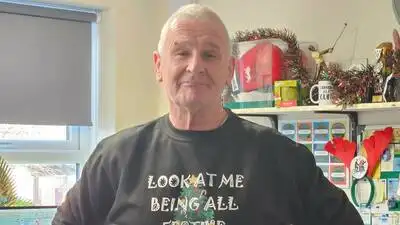
Ian Ferguson, a 71-year-old former British Army serviceman, has stockpiled 600 cans of food in his shed to prepare for a possible national emergency. (Photo: Facebook)
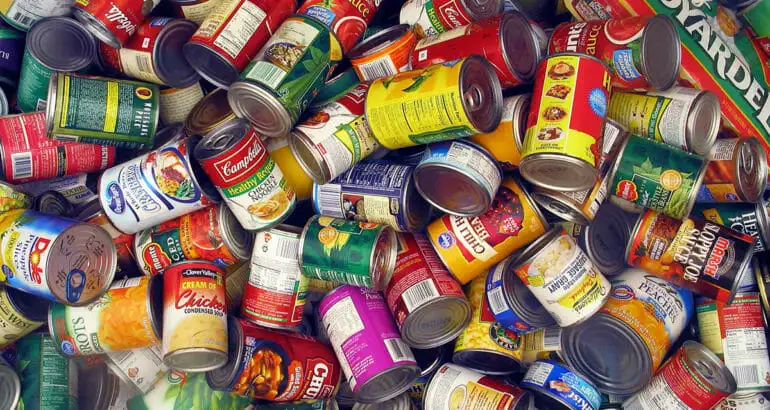
A 71-year-old former British Army serviceman in the UK has spent up to £1,000 stockpiling food and essential supplies, preparing for the possibility of a 100-day lockdown or a major national emergency. Ian Ferguson, who lives in Weymouth, Dorset, has accumulated around 600 cans of food in his garden shed, including soups, stews, beans, curries, rice pudding and fruit. Ferguson began stockpiling in 2022, following the outbreak of the war in Ukraine, according to SWNS. The father of two initially started buying a few extra cans during his weekly grocery shopping, but his collection gradually grew to 600 tins stored in 13 large delivery boxes. Ferguson believes six tins of food a day would be sufficient for him to survive for at least 100 days without having to visit a supermarket. I’ve got 13 boxes full of food. “Originally I thought I’d get to 500, then I got to 600, but I don’t think I’m going to stop. I’m 71, I’m not buying solar panels now. “I might’ve wasted £1000 or £2000 on food but I’d rather do that then get into a difficult situation and look at that money and wish it was food in front of me.
Because they fear their provisions could make them targets for theft during a national emergency, ferguson believes more people stockpile supplies than they openly admit, partly. In October, the UK Government launched its Be Ready campaign, encouraging households to prepare for situations in which everyday services could be disrupted.
Ferguson, who owns a taxi company in Weymouth, said he began thinking about emergency food supplies after considering how quickly society could be affected if shops ran out of essential items. Speaking to SWNS, he said, “There’s a phrase ‘nine meals between mankind and anarchy’. ”That’s three days. Explaining how his collection grew, Ferguson said, “I’d go shopping about once a week and by four, six, eight tins, whatever, and stick them in big ASDA delivery boxes in my shed. “I’ve got stews, soups, beans, I’ve got some curries in a tin, rice pudding, fruit. ”If you’re hungry it doesn’t matter. Having served in the British Army during the 1970s, Ferguson said he understands the potential impact of nuclear, chemical and biological warfare. I’m not looking at being the whole thing, I’m looking at being an active member of a community,” he said. However, he said he would rather have the supplies and not need them than face an emergency without food. Speaking to SWNS, he said, “They should say we’re going to take the fat off generators; they could be doing a lot more.
However, he has no plans to stop adding to his collection. However, he insists that his preparations are not just about his own survival. He believes communities must come together and share resources during emergencies. Imagine you didn’t eat for three days. Peas, pudding, carrots, stuff like that. You could mix them up. Food is not the only thing Ferguson has gathered. His emergency supplies also include wind-up radios, camping stoves, sleeping bags, water filtration tubes, an axe, a saw and other basic tools that could help him collect supplies from nearby woods. However, he is increasingly concerned about the threat posed by digital warfare and cyberattacks targeting essential services. He pointed to the possibility of cyberattacks disrupting water companies, supermarkets and supply chains, arguing that modern society relies heavily on digital systems. “If you have a community you can share stuff and work out nice things. “Food isn’t the only answer. This whole thing isn’t about me sitting there watching people starve. “Someone who may have solar panels might still have heating. “I hope the kindness of humanity would come out. Ferguson acknowledged that some people have questioned whether he will ever need to use his stockpile. “I’ll open up the tins and give it to the birds and get on with my life. “I am hoping for the best and preparing for the worst. I’m more comfortable with that. The initiative aims to help people become more self-sufficient during emergencies and reduce pressure on emergency services. However, Ferguson believes the government could do more to help households prepare, including providing basic emergency kits and clearer guidance on essential supplies. “Selling a kit of stuff to get people started. That would be something. ”They’re all for people helping themselves but they’ve got an obligation to do a little bit. “We need the government to articulate a story so everyday people understand the risk. You use AI every day. Now get your AI Quotient. Take the AIQ test.
Ian Ferguson began stockpiling food in 2022 after the outbreak of the Ukraine war and has gradually built an emergency food supply. (Photo: Facebook) He is also not particularly concerned about expiry dates, which he believes people often worry about excessively.
“You’ve got insurance on loads of things in case something bad happens, so what’s your insurance for having food in the house? ”Because money won’t be any good when the supermarkets run out. Ferguson told SWNS, “People are obsessed with use by and sell by dates. ”They then go buy cigarettes with pictures of cancer-full lungs. “These days everyone is so impatient and intolerant it would probably be three meals before anarchy. However, food safety guidance distinguishes between use-by dates, which relate to safety, and best-before dates, which generally relate to quality. We’re very selective about what warnings we’re going to heed. “Obviously supermarkets want you to keep buying. He also stressed that people with food allergies should ensure they have suitable supplies stored for themselves.
Everything will freeze,” he told SWNS. “Once the shops are empty, every supply chain is basically digital. It’s not some bloke with a clipboard and a pen writing what you’ve got. When it goes down, nothing will happen. Ferguson also believes people should keep some physical cash available in case digital payment systems stop working. “I think we need to keep physical money to keep autonomy and flexibility in this system. “People used to want tangible money. When your battery is flat on your phone, if there’s no machine working, it means nothing to you. he believes alternative energy equipment could become useful during an emergency, particularly if more households invest in it Although he does not have solar panels at home. Despite his extensive preparations, Ferguson insists that surviving a crisis would require more than food and equipment. He believes neighbours and communities would need to share resources and support one another.