
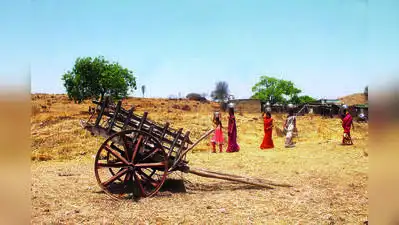
Photo for representation
Santosh Bora, president of Pune Firecrackers Association, said sales within Pune city limits had declined by around 12-15% compared with previous years. Because the situation is worse this season,” he said, there was no celebration at all. Traders reported a decline in sales, particularly in rural areas, where households curtailed discretionary spending amid crop losses and uncertainty over the next agricultural season.
“Local vendors in rural areas have reported a drop of around 35% to 40% in sales as villagers have refrained from buying firecrackers, mainly due to inadequate rainfall and drought conditions,” Bora said. “For these households, Diwali was less about lights, sweets and fireworks and more about arranging food, repaying outstanding loans and finding alternative sources of income until the next rainfall offers some hope,” said agri activist Jayaji Suryawanshi from Chhatrapati Sambhajinagar. For Bandu Sugade, a farmer from drought-affected Madhalmoi village in Georai tehsil of Beed district, this Diwali was among the worst he could remember. Heavy losses in cotton cultivation left him unable to buy new clothes for his children or buy enough provisions for festive sweets. “I barely got a yield of two quintals from my two acres of cotton farm. I could repay some amount to fertiliser sellers. The impact of the agrarian crisis was also reflected in the firecracker market. The fall was considerably sharper in rural markets. You Can Also Check: Gold Rate in Pune | Silver Rate in Pune | Bank Holidays in Pune | Public Holidays in Pune | Petrol Price in Pune | Diesel Price in Pune | CNG Price in Pune | LPG Price in Pune
“I had to borrow Rs 5,000 from a relative to buy clothes and ration so that my children could have a good time at home. I am planning to work at a hotel in Ahilyanagar so that I can run my family for the next few months.
I will return to my village once we get rainfall,” he said. There is nothing in the village.