
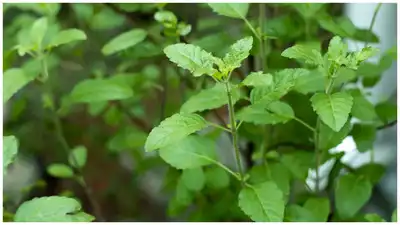
How to care for a Tulsi plant during winter: Easy step-by-step guide for winters
Tulsi is a tropical plant, so it prefers warmth and grows best between nearly 20°C and 38°C, and growth slows down sharply once nights turn cool. Because it is so familiar, we tend to assume it will simply care for itself. Tulsi plant is often more than a herb in many Indian homes, as days begin with a small, quiet ritual. People step into the courtyard or onto the balcony, and pour a little water at the base of a green plant, fold their hands, and circle around it with a holy gesture and pray to Tulsi Devi by whispering some holy mantras around it. These practices have been passed down through generations, and taking care of the revered plant is more than just gardening. And for most seasons of the year, it nearly does. But just as every plant has a season when it needs a little more attention from us, that season is winter for Tulsi, when it requires a bit more attention than usual. Here are some simple ways to care for the Tulsi plant in winter. Frost can damage or kill the plant, and even a few cold hours can leave the leaves dull and droopy. Winter also brings shorter days, so the plant gets less sunlight than it wants, which requires taking more care of the plant. Shorter days mean less light, so place your tulsi in the sunniest spot you have. A south- or east-facing window or balcony works well, and you can shift the pot as the sun moves through the season. Try to give it several hours of direct sunlight a day and turn the pot every few days so all sides get light. Winter’s dry air sometimes attracts people to water more, but cold, slow-growing plants use less water, and soggy soil can rot the roots. Check the top inch of soil with your finger and water only when it feels dry. Water in the morning so leaves dry quickly, and make sure the pot drains well. Use room-temperature water, since very cold water can shock the roots. Frost is tulsi’s biggest enemy. On cold nights, bring the pot indoors or move it close to a wall on a sheltered balcony. Keep it away from open windows, doors, and heaters, which dry the leaves. You can also cover it overnight with a light cloth or a transparent sheet, removing it in the morning so the plant can breathe. Go easy on feeding in winter, since slow growth needs little manure. A diluted liquid feed once a month is plenty. Instead of replacing all the soil, loosen the top layer and add a thin layer of compost or mulch to hold moisture. Pinch off flower spikes and trim leggy tips lightly to keep the plant bushy. You use AI every day. Now get your AI Quotient. Take the AIQ test Get the latest Lifestyle News and more. Download the TOI app.