
If you’ve ever used facial oils, you’ve probably noticed two completely different experiences. One oil melts right into your skin the second you pat it on, leaving you smooth and glowing. The other leaves a slick, heavy layer that stays on your face until evening and leaves a greasy spot on your pillowcase by morning.
Skin type and application make a difference
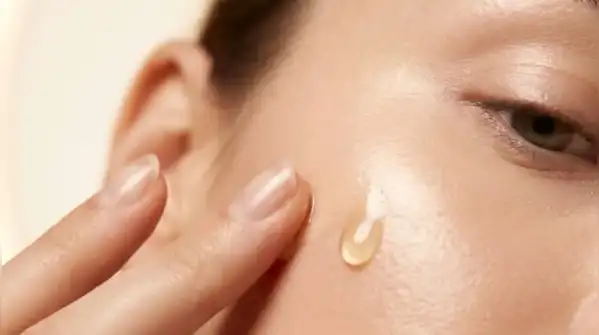
She said, “People don’t realise we have seven layers of skin. In other words, “greasy” is seldom a sign of a poor product. It isn’t just about how much you apply. It mainly comes down to a product’s essence or ingredients, as well as the degree to which it is formulated and how different components work together depending on skin and surroundings. The balance between different ingredients: A great facial oil is rarely just one standalone ingredient, it’s a carefully balanced blend. If an oil is poorly formulated with high-molecular-weight ingredients that can’t penetrate the skin’s outer layer, it will simply pool on the surface. For better understanding, we approached Supriya Mody, founder and CEO of FutureMe, who explained that the purpose of a skincare formulation should go beyond simply coating the skin. Now, if most of the product is just sitting on your skin, how is it going to enter your skin and work? A formulation is useless if it just sits on top of the skin. Oils work by locking in moisture and softening your skin; they don’t soak in or evaporate like water-based serums. Their main job is to trap moisture in your skin and keep the surface feeling soft and smooth. Even a fast-absorbing oil leaves a tiny, invisible protective layer behind. The greasy problem usually happens when we use too much. Facial oils are super concentrated, so two to three drops are all you need for your whole face. Any extra oil has nowhere to go, so it just sits on top of your skin, feeling sticky. An oil that feels like liquid gold during a freezing winter in Delhi might feel suffocating in the middle of a humid Mumbai monsoon. Oily or acne-prone skin generally needs lighter oils, while dry or mature skin can handle richer ones. If your skin changes with the season, your oil may need to as well. The oil can also feel different to different people. Skin that is dry may welcome a richer texture, while oily or combination skin may prefer a lighter blend. Application plays an important role, too. Using a few drops on slightly damp skin can help distribute the oil evenly and prevent the need for using excessive product. Applying more does not necessarily translate into better results. In the end, the creation of an effective face oil revolves around balance. The choice of the ingredients, the balance of the fatty acids, the ratio of the oils, and the type of skin feeling influence the outcome. the most significant distinction is not whether it is thick or light on its own but whether it goes well with the user’s skin while providing all the benefits it was designed for While assessing face oil. More often, it is simply the sort of oil unsuitable for the skin’s needs, the wrong time of year, or just too many drops used.