How Lenovo’s tech muscle powers F1’s thrills.
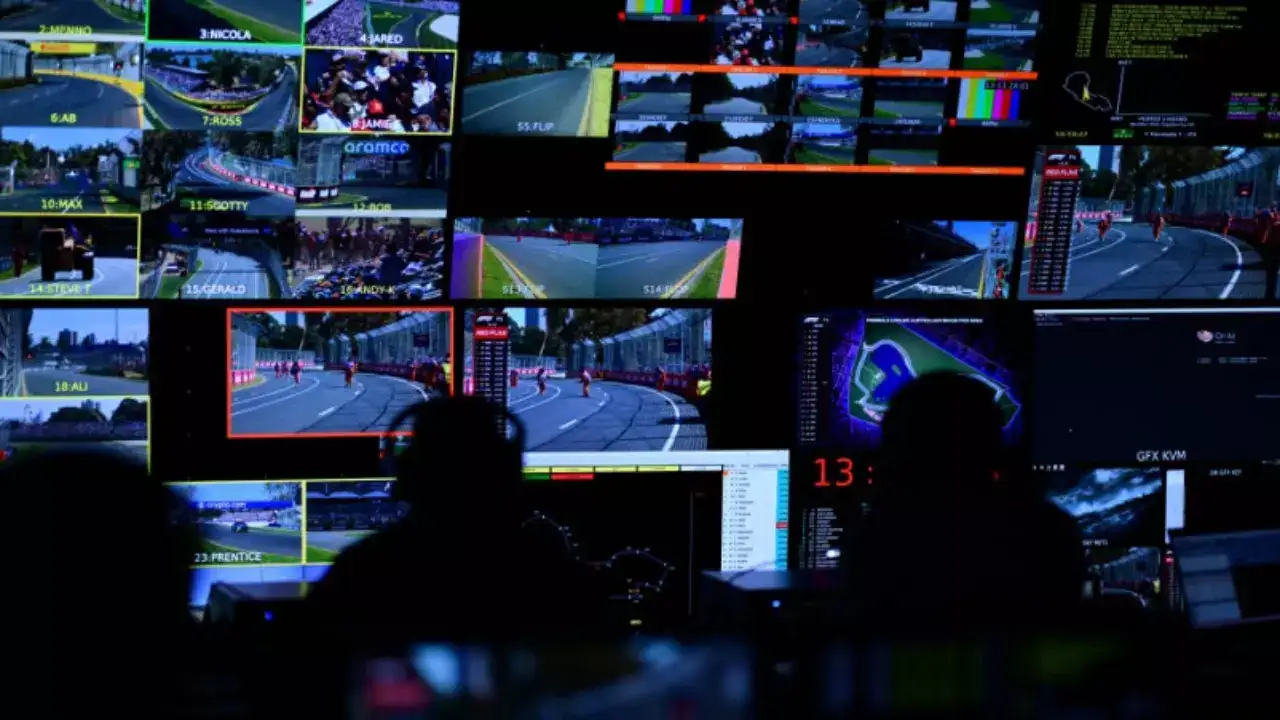
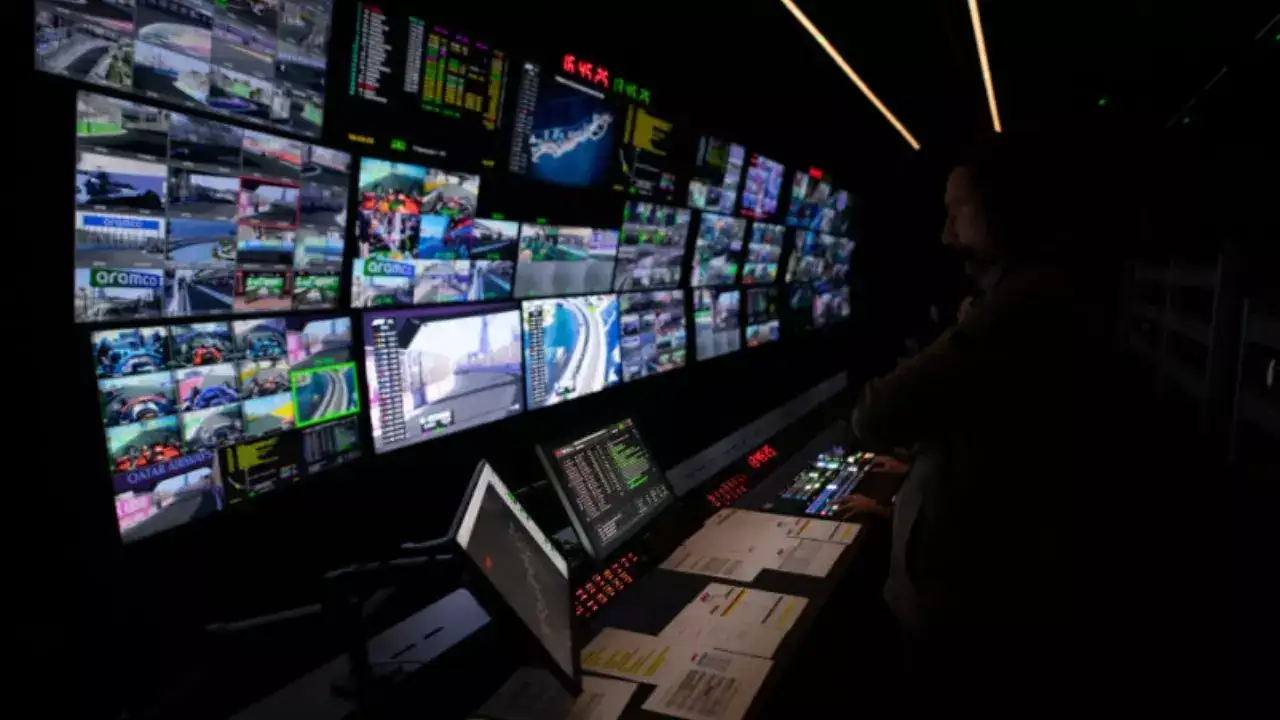
Formula 1’s 75th season is in full swing, with three races already completed – the most recent being the Japanese Grand Prix, where Red Bull’s Max Verstappen clinched a record fourth consecutive win at the iconic Suzuka Circuit. As part of a special visit organised by Lenovo , we also got rare behind-the-scenes access to understand how the global tech giant is helping power Formula 1 from the inside out. it’s the robust technology working silently in the background that keeps the show running and Lenovo is at the heart of it While the high-speed on-track drama is what grabs headlines. How? We explain here.
We were there at the track on Friday to witness the free practice sessions up close.
Lenovo has been associated with Formula 1 since 2022. But from 2024, the company has stepped up its involvement as the sport’s Global Partner and Global Technology Partner. These equipment and services support F1’s broadcast operations, data processing, and also contribute to its 2030 sustainability goals. Additionally, Motorola , a Lenovo company, has also come on board as F1’s Global Smartphone Partner starting from the 2025 season. What used to require multiple 40-foot air freight containers full of computing and broadcast hardware has now been streamlined into a virtualised system. Now, with Lenovo, we’ve moved to a remote setup, replacing over 200 physical workstations with a more compact, virtual solution. With its push towards remote operations, Lenovo has also helped Formula 1 reduce its carbon footprint. In fact, we were told that the number of staff required trackside has dropped from 250 to 130, without affecting performance.
Lee Wright, Head – IT Operations, told us in a media roundtable in Nagoya, Japan “We used to ship many containers of equipment. As part of this tie up, the company now provides everything from high-performance ThinkPad laptops, edge computing devices to powerful HPC servers to F1. Managing this volume of data is no easy feat. But Lenovo’s technology has helped F1 transition to a more efficient remote operations model. Fewer people and less hardware travelling to races means lower emissions.