
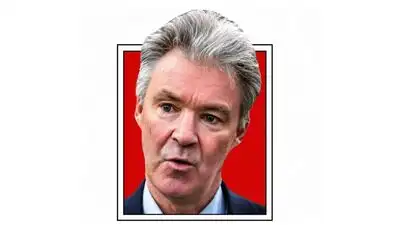
With its medieval monuments and chic cafes, Europe was once the epitome of ‘cool’ — but it’s now in the grip of severe heatwaves. Ian Williams , Professor of Applied Environmental Science at the University of Southampton , spoke with Srijana Mitra Das at Times Evoke about the science behind heated Europe, ways to mitigate its harms — and the dangers of overlooking ecological facts:
Every defendable scientific paper and organisation over the last 50 years have emphasised the link between human-driven global warming and the heat and floods seen in Europe now — although what is happening in India actually dwarfs Europe. Because we have very dry summers now and a lot of our water has been forced up into the sky, this is. So, we have huge amounts of water held as water vapour in the sky as a result of increased temperatures which dried our soils. Because of the climate change consequences’ because, frankly, if people don’t have some air conditioning now, they can perish, it would be very reprehensible to say, ‘You can’t have air conditioning.
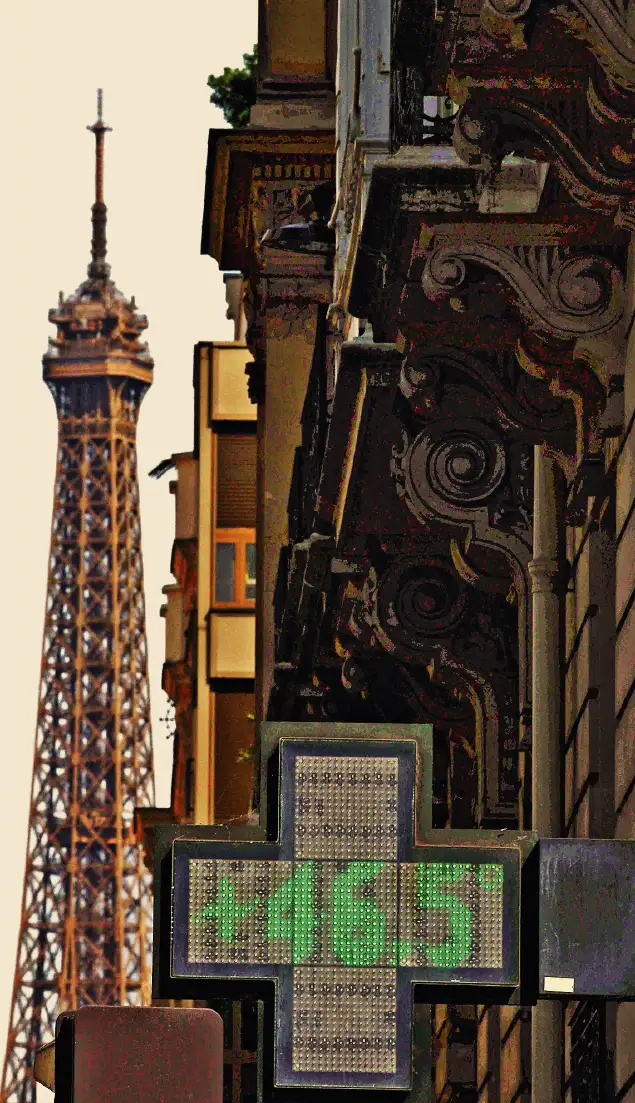
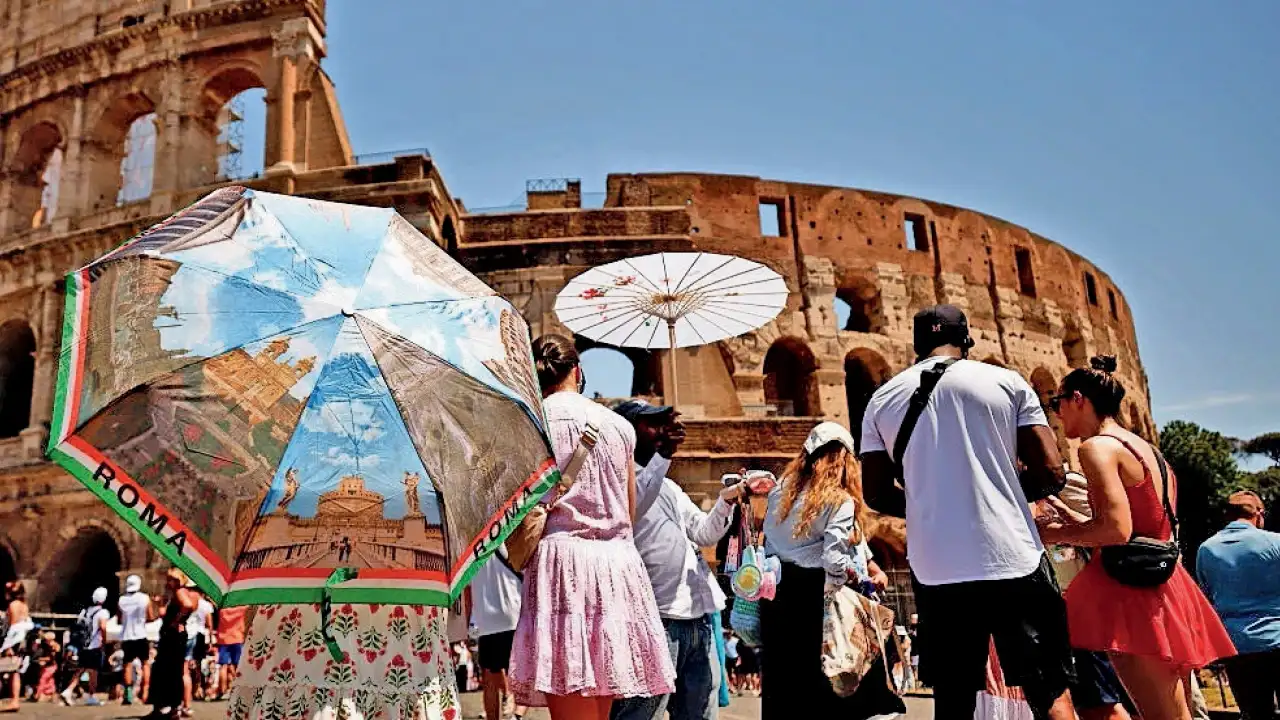
■ A ‘heatwave’ is technically hot weather that lasts several days. It includes both hot days and warm nights. We’re getting more heatwaves now as there are a lot of greenhouse gases in the atmosphere that we’ve been putting there for a long while. That has raised the threshold or background value of our pollution. Hence, when it does rain in Europe now, it pelts down like in tropical areas. We get thick storms and constant, heavy, pouring rain — of course, our cities aren’t designed for it. So, we get flooding too. Europe’s situation reflects how everything is connected in the age of climate change. We are in a weird situation where many of our politicians acknowledge this reality and want to do something about it — but there are others, often privately funded by the oil and gas sector, espousing climate denial and phrases like ‘Drill, baby, drill’ to put more oil and gas into the system. So, the public worldwide hears scientists saying one thing and politicians, another. ■ Speaking from the UK, we’re not really a hot country — but we’re struggling in this heat. I can’t imagine what it must be like to be in parts of India where temperatures are routinely above 45ºC.
In 1952, a massive air pollution disaster in London saw thousands killed in a few days. They think somehow, science will come riding in and fix everything in a jiffy — but it won’t. Unless we want that again, we must stop saying, ‘The heat’s not very nice but I’m coping. ’ If the West does not make changes now, we won’t be coping for much longer.
As we keep seeing its temperature data climbing, we also keep hearing ‘Europe is not built to keep homes cool’. Isn’t it time the West acknowledges its own climate reality? It takes time and money to change a country’s infrastructure and make it ready for climate. That became a catalyst for the public to wake up and demand action.
There is an immediacy to the need for air conditioning — but we also should design our cities so we can have the best heat defences at the lowest possible cost and the smallest environmental impact. There are interesting things happening in India, like people painting their roofs white to reflect the heat away, planting and maintaining more trees, using shutters and shading, etc. These are low-cost, simple solutions that make a big difference.