.
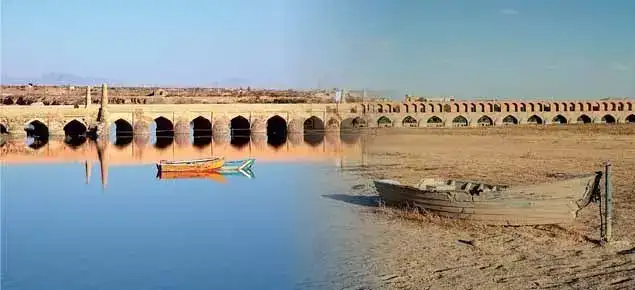
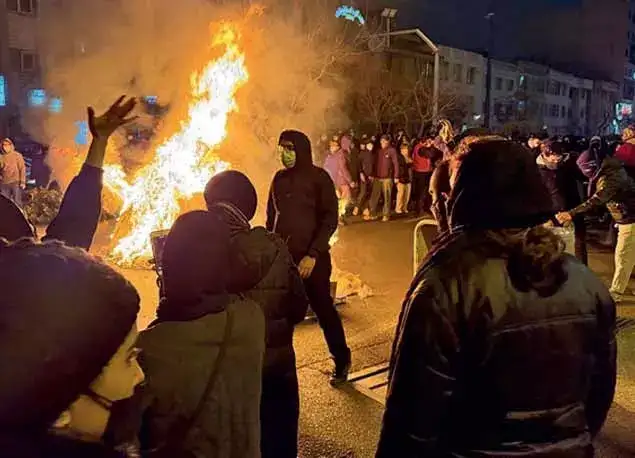
Over the 17 th and 18 th centuries, agrarian land empires throughout the northern hemisphere were put under enormous pressure by changes in climate patterns — in some areas, that meant long droughts, in others, rain, flooding and erratic weather, as seen with global warming today. ■ The focus of my research is integrating environments and nonhuman actors into Iran’s history. My new book ‘The Lion and the Sun’ is the first work on Iran’s modern environmental history, looking at how human life has intertwined with environmental factors and non-human actants, like animals, plants, water, soil and climate, which people have reshaped to their own needs. What are some defining features of Iran’s environment? ■ It’s important to note climate change was a factor in reshuffling global power arrangements. The Safavid dynasty ruling Iran then were an advanced bureaucratic state — but the deeper problems driven by climate change caught up with them. Those included drought produced food shortages and huge epidemics, with the loss of a third to half the population. That undermined the system — the Safavids fell. There is writing discussing how the Islamic Republic has moved water through big interbasin transfer systems away from marginalised communities to agriculture in the Central Plateau. That has placed a disproportionate burden on people who were already struggling — the urban poor living on the outskirts of Tehran face industrial pollution. They lack basic public services but confront shortages of water and energy with rampant inflation and unemployment. In recent years, a convergence of multiple grievances has occurred — which includes environmental issues. What is climate change like in Iran? ■ As in the past, climate change is a factor in the water crisis, straining already vulnerable systems. Yet, the bulk of the problem is decades of unchecked development that has treated water as if it is an infinitely renewable resource. Once aquifers are drained though, the earth tends to compress them and diminish their capacity. This has happened there and the situation is so dire, President Pezeshkian has actually stated the government intends to move the capital from Tehran to the Makran coast. We often talk about climate change as if it’s reshaping the world at will — but it’s just amplifying problems people have already created. ■ Environmental history allows you to use familiar sources in new ways. Historians once tended to focus on human systems, ideas and cultures to such an extent, we missed how interdependent we are with other elements of our environment. So, in ‘The Lion and the Sun’, I brought together sources as diverse as land grants and endowment deeds with the growth rings of juniper trees, Persian geographical writing, court chronicles and corporate archives. It is important to ask new questions and broaden our view of what constitutes ‘history’.