The Billion Oyster Project collects more than 300,000 pounds of shells from participating restaurants each year, equivalent to roughly 800 pounds a day. The effort is part of a much larger restoration programme that has already helped return more than 200 million oysters to New York Harbor and restore about 19 acres of reef habitat. The unusual recycling effort is turning a common restaurant waste product into material for rebuilding a lost marine ecosystem.
New York City restaurants are giving discarded oyster shells a second life by keeping hundreds of pounds of them out of landfills every day and sending them to a project rebuilding oyster reefs across New York Harbor. Instead of becoming waste, the shells are cleaned, cured and eventually used as a foundation for new oyster reefs.
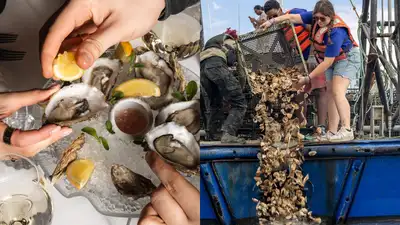
The Billion Oyster Project says its restaurant network sends more than 300,000 pounds of oyster shells to the programme each year. That works out at approximately 800 pounds every day. Because they can provide the hard surface young oysters need when they settle and grow, the shells are particularly valuable. What begins as waste on a restaurant plate can therefore become part of the physical structure of a new underwater reef.
The shells are cured before returning to the harbour
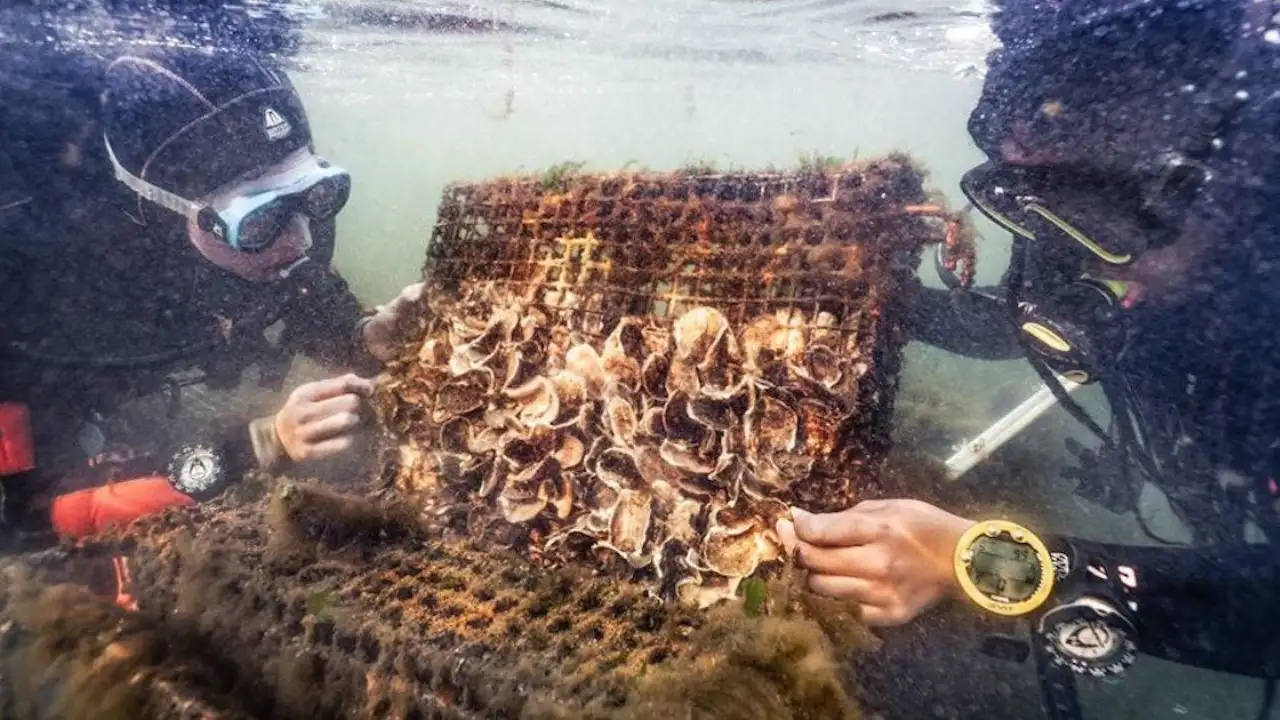
With more than 3.2 million pounds of shells collected so far and about 19 acres of reef habitat restored, New York City’s restaurant waste is becoming an unlikely building material for bringing parts of its historic harbour ecosystem back to life. Because oysters were once an important part of New York Harbor’s ecosystem, oyster restoration is particularly significant. The discarded shells cannot simply be taken from a restaurant and placed directly into the water. They first undergo a lengthy curing process designed to remove remaining organic material and reduce the risk of introducing harmful organisms into the harbour. The Billion Oyster Project processes the shells on Governors Island, where they are cleaned and left to cure for months. The curing period can last close to a year, allowing the shells to become suitable for restoration work. Once they have been prepared, they can be incorporated into reef structures and used as substrate for young oysters. This careful process transforms what would have been food waste into a safe and useful material for marine restoration. Before large-scale urban development, pollution and intensive harvesting transformed the harbour, extensive oyster reefs covered large areas of its waters. Oysters were also a major part of New York’s food economy, with the city’s oyster industry once supporting enormous harvests. Over time, however, pollution, habitat destruction, overharvesting and changes to the harbour environment caused the oyster population to collapse. The Billion Oyster Project is attempting to reverse part of that historical loss by rebuilding reefs and reintroducing oysters to suitable areas of the harbour. The most striking part of the programme is the transformation taking place between a restaurant kitchen and the harbour floor. A shell left behind after a meal might once have gone directly into the waste stream. Instead, it can now be collected, cured, placed into a reef structure and eventually become the surface on which a young oyster settles. As those oysters grow, they can create habitat used by fish, crabs, shrimp and other organisms.