

Bull Island, aerial view from North. Image credits: Wikimedia Commons
For 229 years, ownership of Bulls Island, a wild barrier island off the coast of South Carolina that is now part of Cape Romain National Wildlife Refuge, passed through 36 different private hands, according to the U.S. Fish and Wildlife Service, which records that the island had 36 private owners from 1696 to 1936. The island and surrounding refuge now support more than 290 recorded bird species, with FWS documentation listing over 293 bird species in Cape Romain National Wildlife Refuge. Gayer Dominick, a New York banker and stockbroker with a passion for hunting, purchased Bull Island in 1925, according to reporting by the Post and Courier. The refuge’s own visitor records say Dominick was the island’s 36th private owner and this part of the chain of ownership goes back to 1696. Over roughly 240 years, Bulls Island changed hands repeatedly before Dominick eventually transferred it to the federal government. Eleven years later, Dominick sold his interests (the whole island, his family’s shore house and hunting cabin) to the federal government, ceding Bulls Island in 1936. The 1936 transfer added Dominick’s entire property, making Bulls Island the southernmost barrier island in the refuge, to the Cape Romain Migratory Waterfowl Refuge, which had been established in 1932 and later renamed Cape Romain National Wildlife Refuge.
Then a wealthy New York banker bought it, built a mansion on it, and eventually turned it over to the federal government for good, setting the stage for a major shorebird refuge on the East Coast. The U.S. Fish and Wildlife Service records that he bought the island with the specific intent of turning it into a private hunting preserve. By the time Dominick arrived, Bulls Island had already lived through centuries of use.
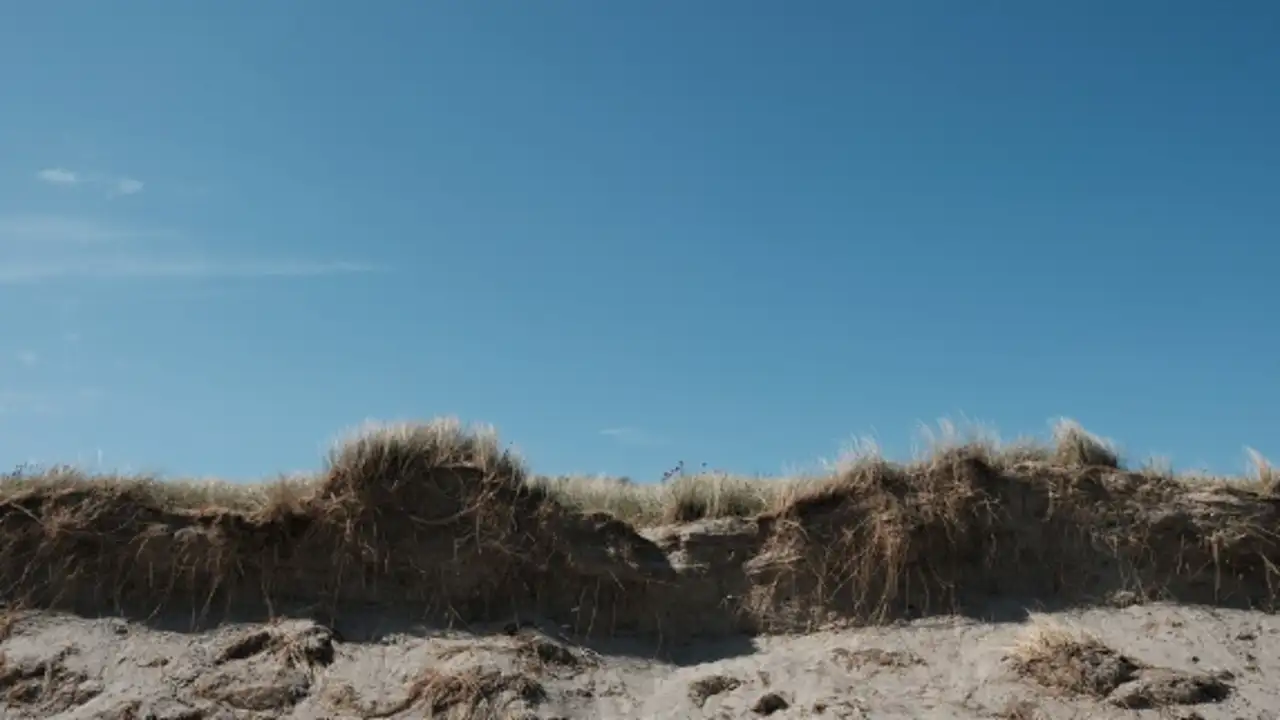
The refuge now covers more than 66,000 acres of barrier islands, salt marshes and maritime forest along South Carolina’s southeast coast. In 1975, Congress designated 29,000 acres of the refuge as a National Wilderness Area under the Wilderness Act and the next year the refuge was designated as a Western Hemisphere Shorebird Reserve Network Site of International Importance. Bulls Island remains a popular part of the refuge, offering sanctuary to some 290 different species of bird, along with the alligators, deer and black fox squirrels who live in the same maritime forest that Dominick once hacked roads through.
Cape Romain has grown in scale since Dominick made his gift. Visitors can still see the tabby ruins of the island’s old fort and the Sewee middens, reminders of the island’s long history before Dominick’s eleven-year ownership.