
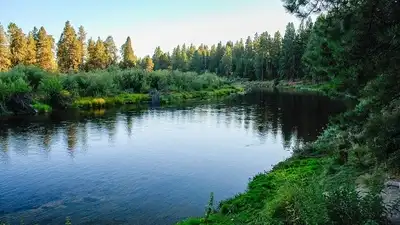
The Williamson River at Collier State Park. Image credits: Wikimedia Commons
The park expanded over decades rather than in a single acquisition, with the Collier brothers helping acquire additional land through 1962, according to Oregon State Parks. In 1981, the final tract was obtained from the US Forest Service, completing the major additions that brought the park to its current size.
The idea of a logging museum was conceived by the brothers from the beginning, making the preservation of the region’s timber history part of the park’s purpose from its early years, according to Oregon State Parks . The Collier family’s connection with the property went beyond the memorial donation. The brothers, Alfred D. and Andrew Collier, were involved with Klamath Falls business interests, including the Swan Lake Moulding Company, and their ventures left them with a significant collection of antique logging and lumbering equipment.
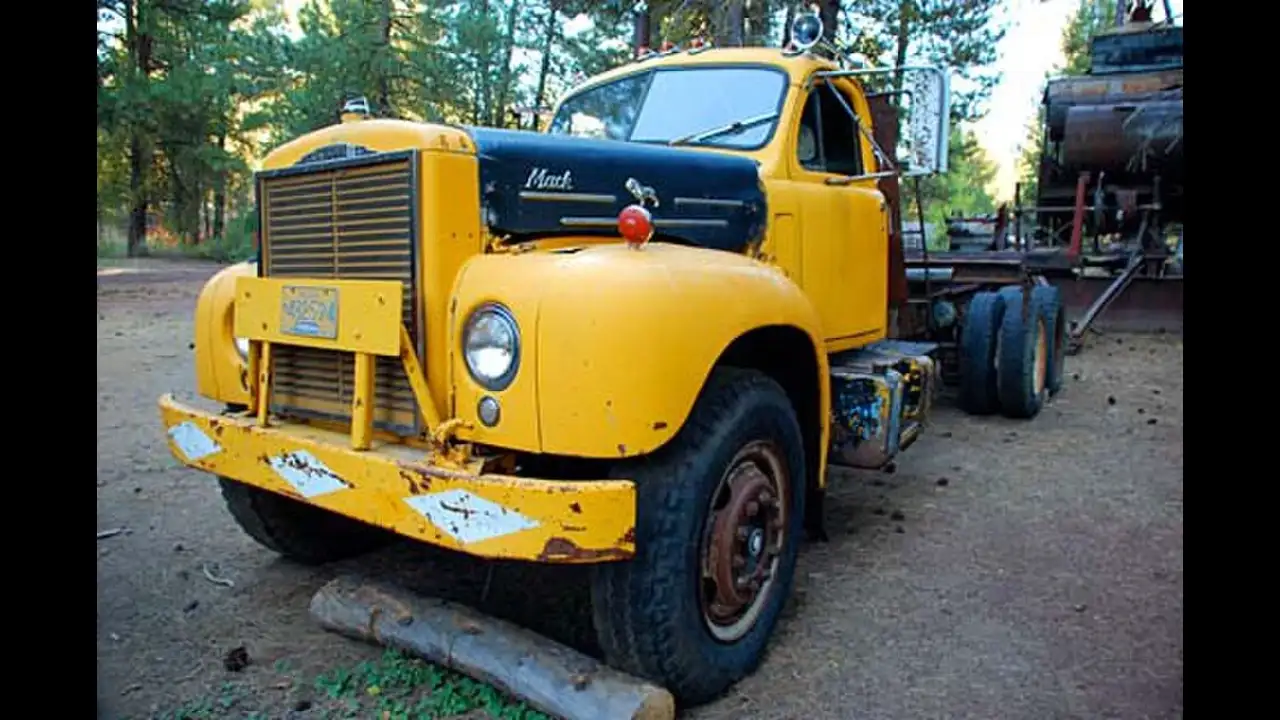
Additionally, the museum contains a cabin village made up of buildings constructed between 1880 and 1920, which were originally sourced from a 100-mile radius across the pine-forested high plains of south-central and eastern Oregon and relocated to the park grounds. Meanwhile, the logging museum remains the park’s defining historical feature, and its outdoor collection includes rare and antique equipment dating to the 1880s, alongside machinery from later periods. The exhibit underscores how timber harvesting changed as railroads, engines and mechanised equipment transformed the industry.
Within it, the museum preserves the history of the state’s logging industry, while Williamson River, Spring Creek, the forest and the campground support recreation. Today, the parcel given to the state as a family memorial has become a public park that attracts hundreds of thousands of visitors annually, according to the state brochure.