
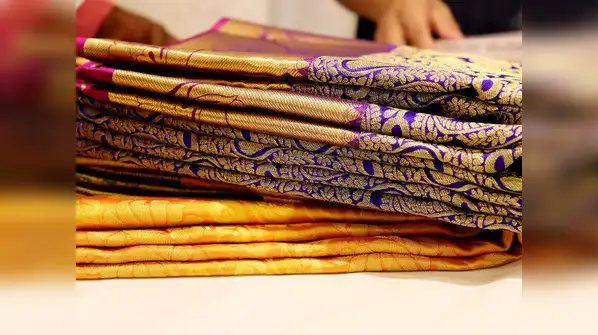
Handloom fabrics are more than beautiful pieces of material; they are living expressions of India’s culture, history, and craftsmanship, brought to life by generations of skilled artisans. As Shruthy D, Brand Manager at Kosakari, explains, every handloom textile is meticulously woven by hand, making each piece unique in its texture, character, and design. From the timeless elegance of Banarasi silk to the simplicity of Khadi cotton, these textiles embody centuries of tradition and expertise. understanding the value of authentic handloom is the first step towards appreciating India’s rich textile heritage and supporting the artisan communities that continue to keep these age-old crafts alive While machine-made alternatives have become increasingly common.
Due to this, handloom fabrics are created through artisan work, requiring substantial efforts and skills. Because of the placement of the designs, various weaving practices have developed unique vernaculars in textile design, from the complex patterning of Banarasi textiles to the geometric beauty of Ikat and the fine workmanship of Jamdani. The worth of Indian handloom fabric goes beyond the price of the raw materials used. It reflects the knowledge, experience and the time of the artisan, as well as the processes involved in the manufacture of handwoven fabric. Some textiles derived through handloom weaving take days, or even weeks to finish. Through understanding the process, one is able to comprehend the difference in the value of handloom textiles and that of machine-produced fabric. An interesting thing about Indian handlooms is that many techniques are used to create designs for them. Various methods of weaving and processes, like printing and embroidery, contribute to the creation of patterns. Traditional motifs, including paisley, flower, peacock and temple patterns, often have cultural meanings. Kosa silk is one of the unique textile heritage of Chhattisgarh identified by its natural lustre, rich texture and durability. Kosa silk is derived from the wild Tussar silk. Besides showing the excellence of local weaving communities, it represents the long iocial tradition of the region. Kosakari provides modernization to this textile tradition through the Kosa silk saree made of Kosa silk. Kosa silk involves the processes of hand weaving, hand printing and embroidery. This is done using the traditional wooden looms. The Kosa silk saree is made to order thus combining traditional design of textile with the philosophy of modern fashion.
Therefore, purchasing a handloom product involves much more than just adding an aesthetically pleasing element to the wardrobe. The Indian handloom textiles are not only prized for their look but also for the history they assume. The sarees woven from durable fabrics like silk or cotton play a part in the family heritage hand-me-downs from generation to generation. The worth of the sarees is supposed to increase with the memories associated with them a wedding, festival, or a particular event. Handloom textiles thus become more than just clothing; they become cultural and personal treasures. The Indian handloom is a symbol of everlasting beauty that survives in the changing world around us.