PC: AI Generated
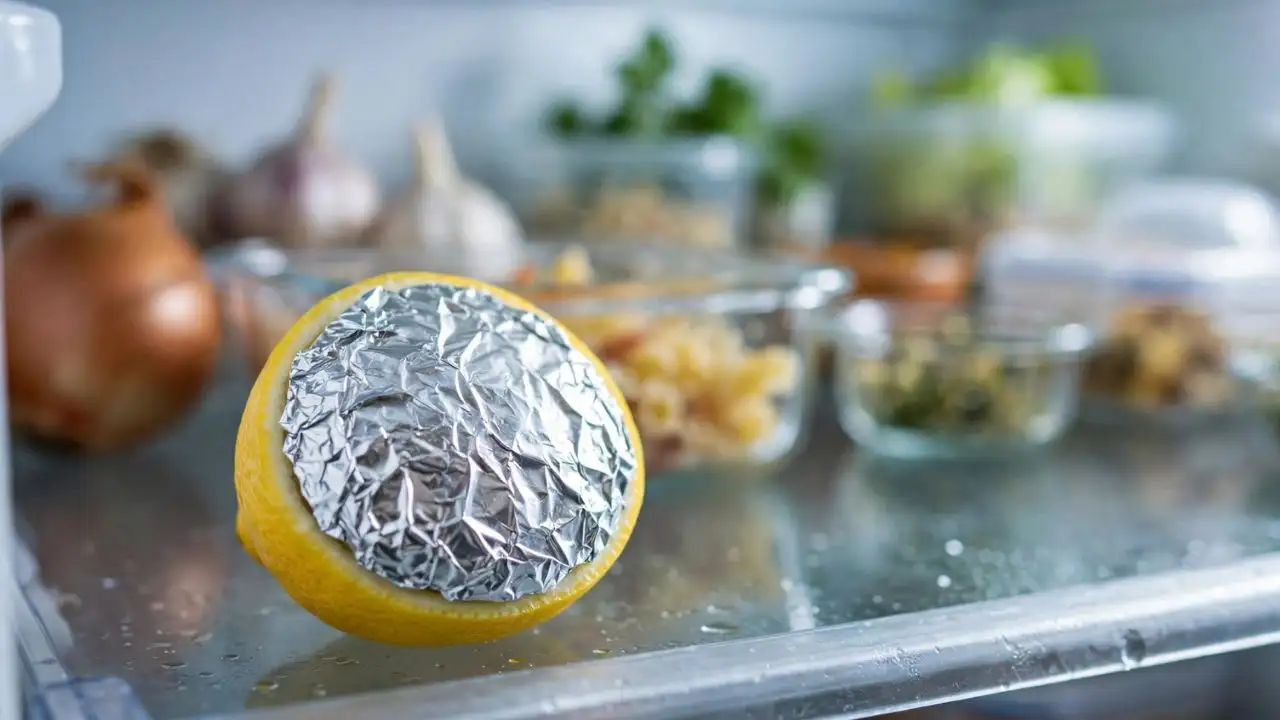
A lemon rarely gets used all at once. One half may find its way into a cup of tea, a salad, or a recipe. The other often ends up in the refrigerator. That half lemon can soon lose its freshness if left uncovered. The cut surface dries out, and its bright citrus aroma fades with time. It may also pick up the smell of nearby food items stored nearby. A simple kitchen habit can help keep that half lemon fresh. Wrap the unused half in aluminium foil and place it in the refrigerator. Cutting a lemon exposes its flesh to oxygen. That can contribute to oxidation over time. Covering the cut side limits some of that exposure. It may help slow the loss of vitamin C and other antioxidant compounds. It cannot stop nutrient changes altogether. Fresh lemons are still best to be used without unnecessary delay. The fresh smell of a lemon is part of what makes it useful in drinks and food. Once cut, the fruit can also absorb competing smells from the fridge. Keeping the cut side covered helps protect its natural citrus character until the next use. Place the lemon in an airtight food container with the cut side facing down. Then close the lid firmly. The container reduces exposure to air and helps shield the lemon from strong refrigerator smells. Silicone food covers can fit over the cut end of a lemon. They create a snug barrier without relying on disposable wrapping. They can also be washed and reused. This makes them useful for households that regularly save leftover citrus. The covered lemon should still be kept in the refrigerator. Place the lemon cut-side down in a clean container. This reduces the amount of exposed flesh that comes into contact with air. It works best for short-term storage when the lemon will be used soon. Refrigeration remains important for keeping the cut fruit in good condition.