PC: AI Generated
Dry fruits often seem like the easiest foods to store. It is like opening the packet, taking out what you need, and putting it back in the cupboard. Yet that simple routine can slowly change their texture. Almonds lose their familiar crunch. Cashews feel less crisp. Raisins can become sticky. In most cases, moisture is the quiet culprit. Dried foods can absorb moisture from the air after being opened. Repeated exposure to humid air can affect both texture and quality. The way you store them matters a lot. A tightly sealed container can keep moisture out. A cool and dark cupboard can protect them from heat. Smaller portions can also reduce how often the main supply is exposed to air. These are small habits, but they can make a noticeable difference. If your dry fruits have started turning soft, here are simple ways to keep them fresher and protect their texture for longer.
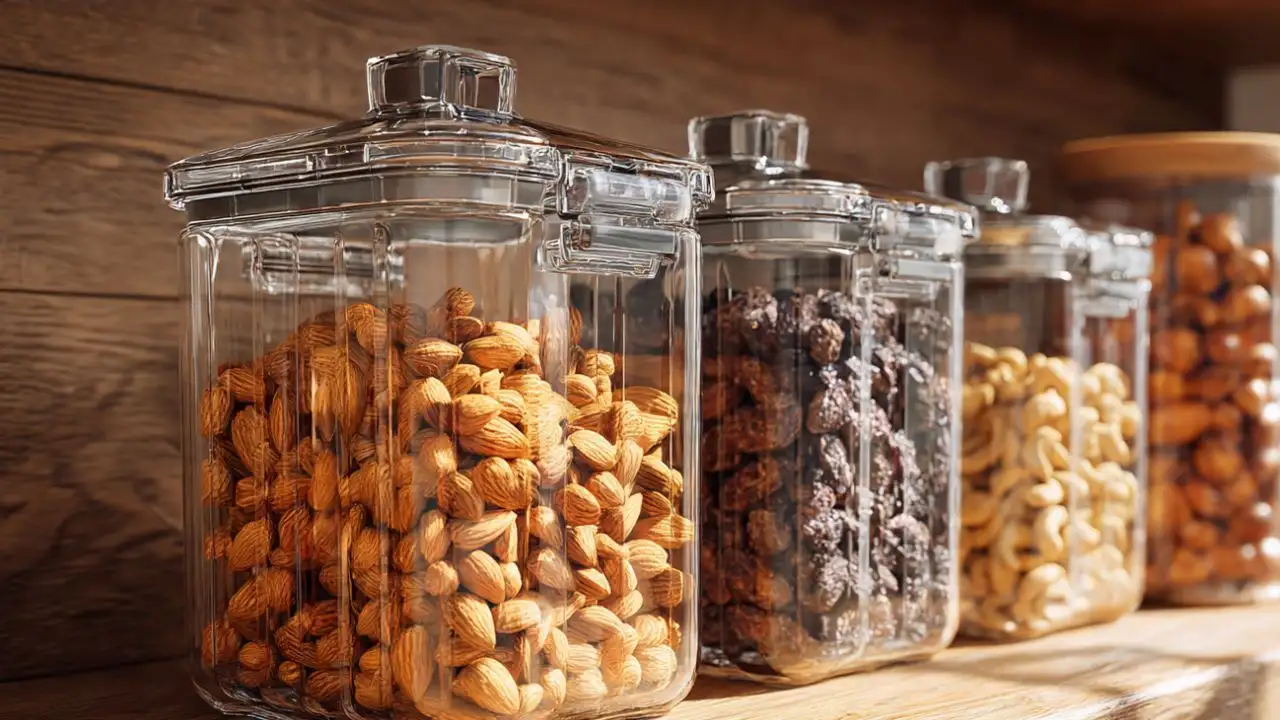
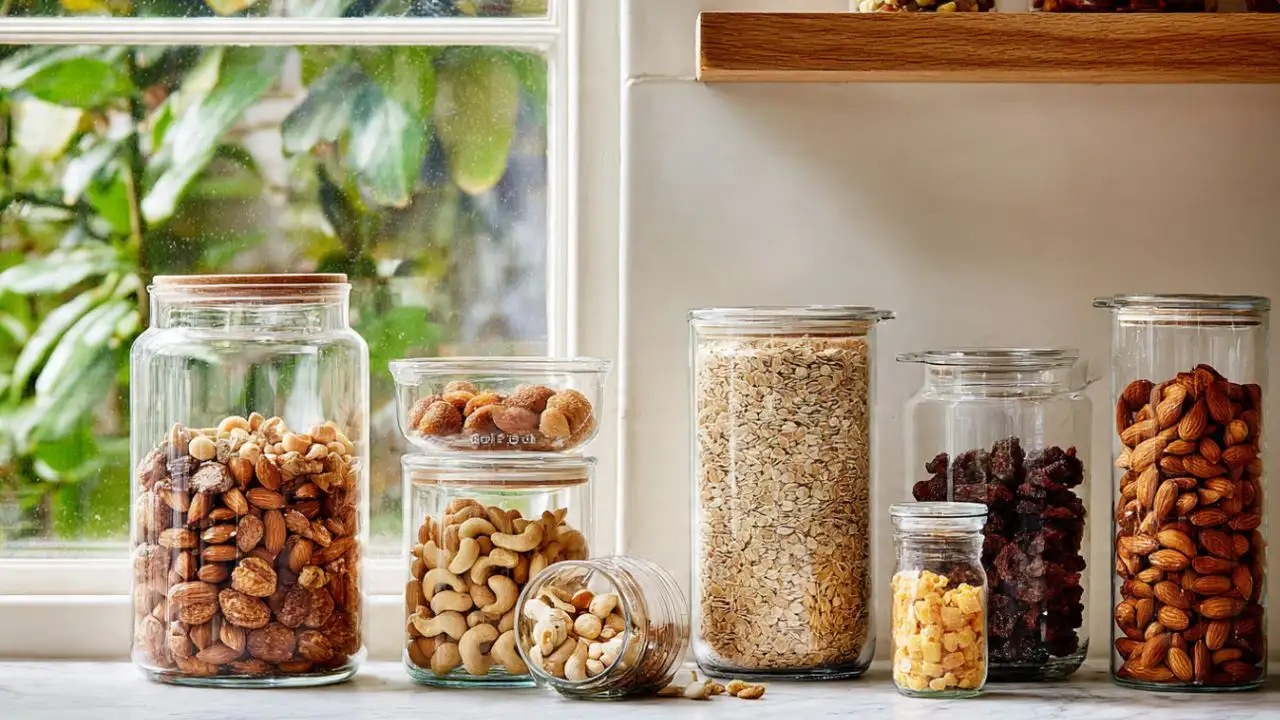
Because you can spot condensation inside them, glass jars work particularly well. The older batch may already have lost some of its quality. Moisture is one of the biggest enemies of dried foods. Once dry fruits absorb moisture from humid air, their texture can change. Keep them away from sinks, steam, and damp shelves. Always use dry hands and a completely dry spoon when taking them out. A good seal is one of the simplest ways to protect dry fruits. Move opened packets into clean, dry containers with tight-fitting lids. If moisture appears, it is a sign that it needs attention. PC: AI Generated Heat can shorten the storage life of dried foods. Keep your containers away from the stove, oven, and direct sunlight. A cool, dry cupboard is suitable for dry fruits you plan to use regularly. Higher temperatures can reduce storage life and affect quality. If your kitchen is warm or humid, the refrigerator can be useful. Properly sealed containers help protect dry fruits from moisture and unwanted odours. Refrigeration is particularly useful for nuts that contain more oil and can become rancid with prolonged exposure to heat. Opening the same large container every day exposes the entire supply to fresh air and moisture. Instead, divide a large batch into smaller airtight containers. Keep one portion for regular use and leave the rest sealed. This simple approach reduces repeated exposure and can help maintain quality. PC: AI Generated An opened packet is not much protection against humid air. Folding the top over may seem enough for a day or two, but it is not ideal for longer storage. Seal the packet properly or transfer the dry fruits to an airtight container soon after opening. The sink is a convenient place to reach for food containers. It is also a source of moisture. Steam and splashes can gradually affect foods stored nearby. Choose a dry shelf away from the sink and dishwasher instead. A little water can introduce unwanted moisture into the container. Use a clean and completely dry spoon each time. This matters even more in humid weather when dry foods can absorb moisture from their surroundings. Finish it first, then clean and dry the container before adding a new supply. This also makes it easier to keep track of how long the dry fruits have been stored. Looking for trusted parenting advice? Follow TOI Parenting Circle on Instagram for expert guidance, relatable stories, and practical tips delivered every day.