From Bihar’s litti chokha to Italy’s pizza, here are 10 famous foods that show how necessity can create unforgettable food. Some of the world’s most beloved foods were not born in expensive kitchens. They came from households where food had to stretch, leftovers had to be rescued and inexpensive ingredients had to do most of the work. Over time, these practical meals became something much bigger. They turned into regional identities, street-food favourites and dishes people now happily order at restaurants.
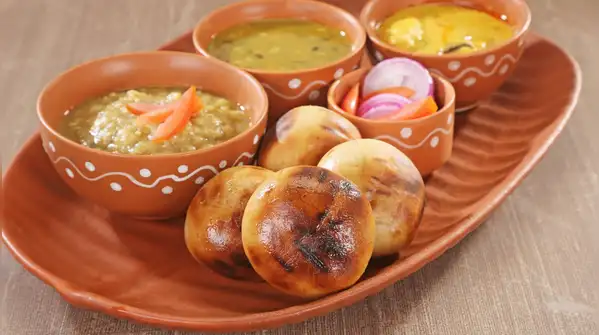
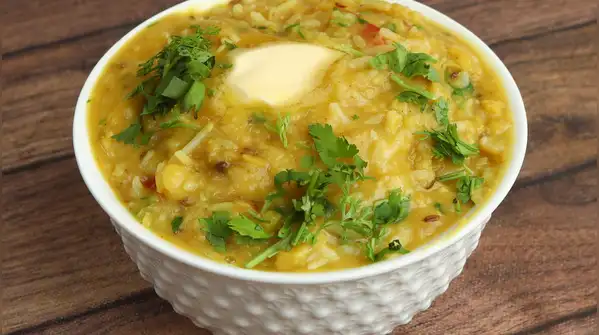
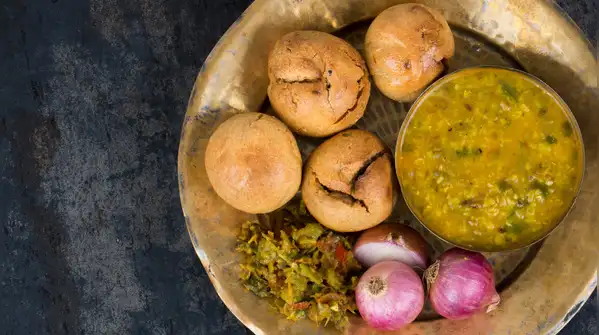
Because cornmeal was relatively inexpensive and could feed a household without much fuss, in parts of Italy, polenta was historically associated with rural and working-class communities. Bihar’s litti chokha is a brilliant example of making a substantial meal from inexpensive ingredients. Wheat dough is filled with sattu, roasted gram flour mixed with spices, herbs and other simple ingredients, then roasted and served with mashed vegetables. Sattu was affordable, filling and easy to store, while litti itself could be prepared with relatively little equipment. What was once practical food associated with rural and working communities is now one of Bihar’s most recognisable dishes. Few dishes demonstrate the art of stretching ingredients better than khichdi. Rice and lentils form its basic foundation, but the recipe can easily absorb whatever vegetables, spices or grains happen to be available. It is filling, inexpensive and requires everything to be cooked together in one pot, making it particularly practical for households trying to make limited ingredients go further. Rajasthan’s dal baati churma was shaped by a landscape where food needed to be practical, sturdy and capable of feeding hardworking people. Baati is made from wheat dough and traditionally baked over fire, while dal provides protein and churma adds sweetness and richness. The baati’s ability to keep well also made it useful for travellers and people working away from home. A meal built around simple staples eventually became one of Rajasthan’s signature foods. Pakhala bhat shows how leftovers can become a celebrated dish rather than something destined for the bin. Cooked rice is soaked in water and allowed to develop a lightly fermented flavour, then served with simple accompaniments. It is inexpensive, filling and particularly refreshing in Odisha’s hot climate. What may once have been an economical way to use leftover rice is now an important part of Odia food culture. Spicy misal served with soft pav is one of Maharashtra’s great examples of turning inexpensive ingredients into a seriously satisfying meal. Sprouted legumes provide the bulk, while onions, farsan, spices and pav add crunch, heat and texture. The combination is filling without relying on expensive ingredients, which helped make it popular as an everyday meal and street food. What makes misal especially appealing is the way each region and eatery gives it a distinct character. Some versions are fiery and loaded with chilli, while others balance the heat with a milder, tangy gravy. The toppings can include fresh coriander, chopped onions, lemon juice and crispy farsan, allowing diners to adjust every bite. Traditionally enjoyed hot, it is often eaten for breakfast, lunch or as a hearty snack. Its bold flavours and contrasting textures have helped misal pav gain popularity far beyond Maharashtra, making it a beloved dish across India. Tomatoes, garlic, oil and small amounts of cheese could turn a simple piece of dough into a filling meal. It did not need elaborate ingredients or a formal dining room. The irony is hard to miss: a food once associated with the poor eventually became a global industry, with pizzas now carrying everything from premium cheeses to luxury ingredients. The basic preparation requires little more than cornmeal and water, although it can be transformed with whatever else is available. It can be served soft, allowed to set and fried, or paired with vegetables, beans or meat. Its transformation is almost comical: a once humble staple now regularly appears on sophisticated restaurant menus.
Today, khichdi exists in countless regional versions and has become comfort food far beyond its humble beginnings. Today, misal pav has become a destination food in its own right. The pizza we know today has strong roots in Naples, where flatbreads topped with inexpensive ingredients were associated with ordinary working people.