Here are 10 foods that can naturally produce or contain small amounts of alcohol. Alcohol may seem like something that belongs in a bottle or a bar, but tiny amounts of ethanol can occur naturally in everyday foods. The process behind it is fermentation, when yeasts break down sugars and produce ethanol and carbon dioxide. This happens particularly easily in sugary fruits as they ripen, especially when they become overripe. That does not mean eating a ripe banana is equivalent to drinking a cocktail. In most everyday foods, the amount is tiny and varies with freshness, storage and fermentation. But the science is fascinating. Some foods are essentially little fermentation laboratories of their own.
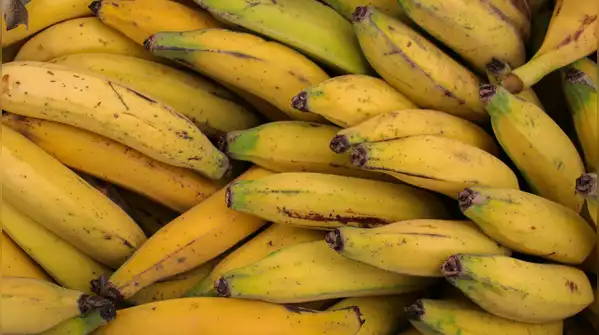
Fermentation Process in Ripe Bananas
As bananas ripen, starches within the fruit convert into sugars, which provide a substrate for naturally occurring yeasts. This transformation can lead to fermentation, resulting in the production of small amounts of ethanol. The likelihood of this process increases as the banana becomes softer and more mature.
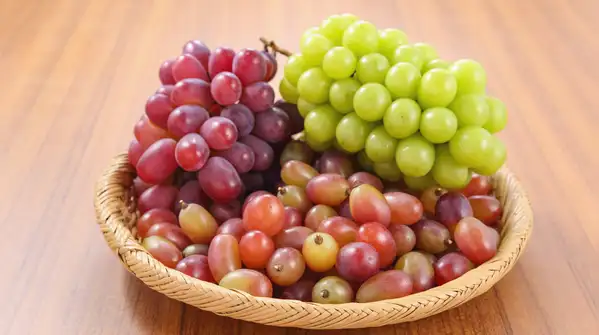
Natural Alcohol Production in Common Fruits
Recent research highlights the natural fermentation processes in various fruits, which can lead to the production of ethanol. Grapes are particularly significant, as they are the primary source for wine. Ethanol can develop in grapes even before intentional fermentation, with levels increasing under suitable conditions as the fruit ripens.
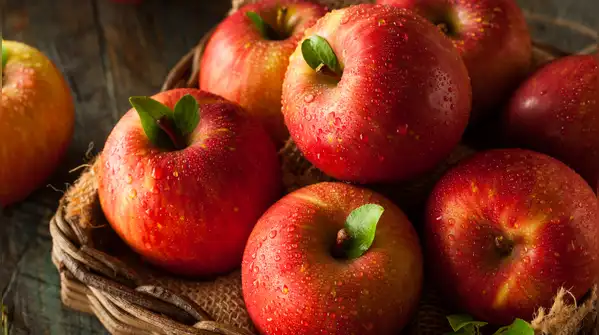
Apples also exhibit natural fermentation, especially as they overripe. The sugars in apples can be converted into ethanol by yeasts, resulting in a slightly fermented aroma that many may recognize from old, soft apples. This characteristic has made apples a traditional base for many alcoholic beverages.
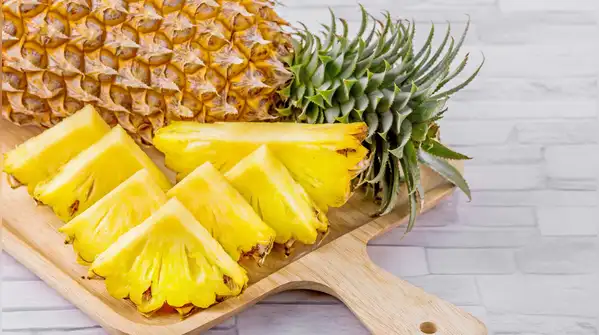
Pineapples show similar behavior; while fresh, ripe pineapples contain little to no alcohol, overripe or damaged specimens can develop a noticeable alcoholic or vinegar-like smell as yeasts consume their sugars and produce ethanol. This can occasionally make the fruit taste fizzy.
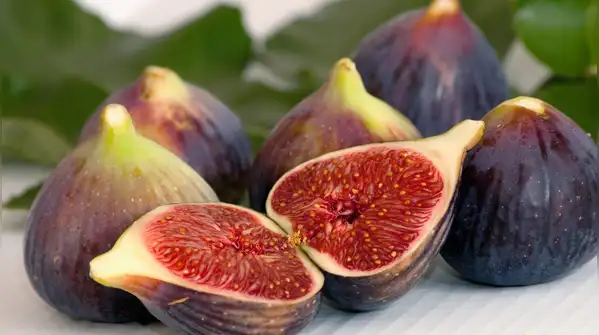
Figs, too, can contain varying levels of ethanol, particularly as they ripen. Studies on wild figs have reported ethanol concentrations ranging from negligible to several percent, influenced by ripeness and environmental factors.
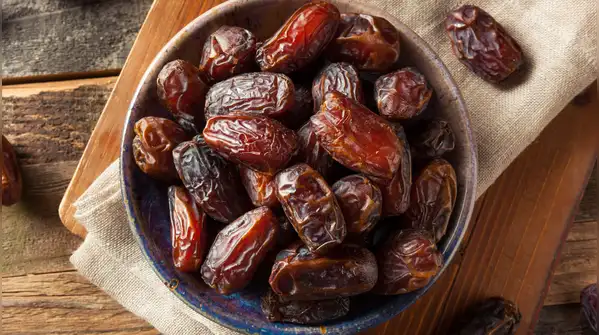
Lastly, dates, rich in natural sugars, are prime candidates for fermentation. Their sugary pulp supports yeast activity, and while dates can be used in various fermented beverages, the alcohol content largely depends on the fruit’s ripeness and condition.
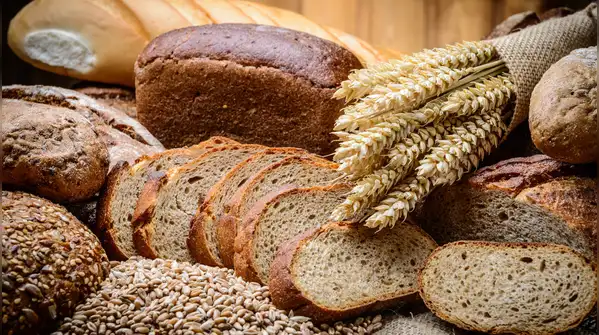
Because yeast fermentation is part of how dough rises, bread can technically contain small traces of ethanol.
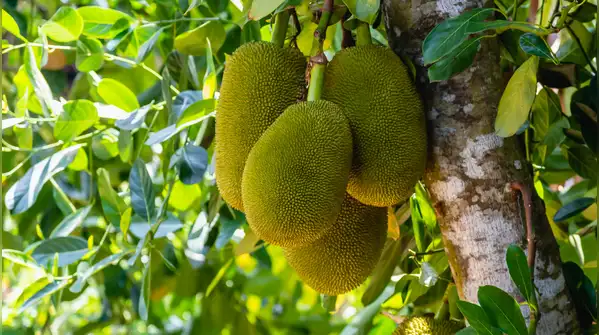
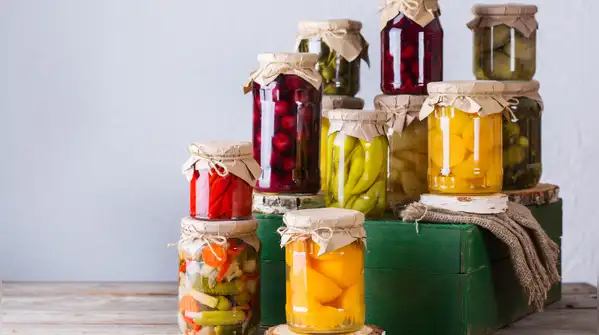
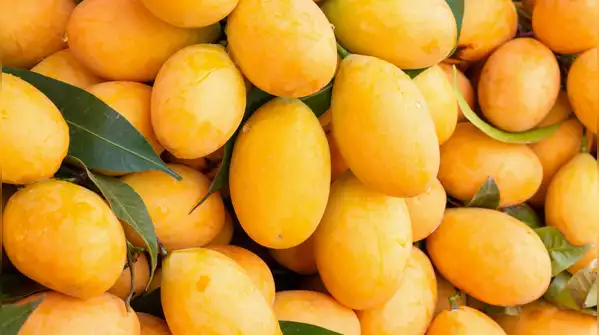
In other words, “fermented” does not automatically mean “alcoholic”, but ethanol can be one of the compounds produced along the way. That intensely sweet, almost wine-like smell from an extremely ripe mango can be a clue that fermentation has started. Fresh, ripe mangoes do not contain alcohol. However, if a mango is very old, damaged, or overripe, the natural sugars inside can start to ferment and turn into a small amount of alcohol. An overripe mango that contains alcohol will often smell sour, taste sharp or fizzy, and feel very mushy. Fresh jackfruit does not contain significant amounts of alcohol, but as it becomes overripe, its natural sugars can begin to ferment and produce small amounts of ethanol. The quantity is far too low to cause intoxication, although fermented or overripe fruit may develop a noticeable alcoholic smell or taste. Jackfruit is also rich in carbohydrates, making it suitable for fermentation, and researchers have explored naturally occurring yeasts from tropical fruits, including jackfruit, for producing fermented beverages. Yeast consumes sugars in the dough and produces carbon dioxide and ethanol. Most of the ethanol evaporates during baking, but the fermentation process itself is what gives bread some of its characteristic flavour and aroma. Foods such as naturally fermented vegetables and other cultured products can also contain small quantities of ethanol as a by-product of microbial activity. The amount depends enormously on the food, microbes, sugar content, temperature and fermentation conditions. In many cases, these levels are extremely low and are not comparable to those found in alcoholic beverages. Fermentation is primarily a process in which microorganisms transform sugars and other compounds, creating changes in flavour, aroma, texture and acidity. Depending on the type of fermentation, different microorganisms can dominate and produce different by-products. This is why two fermented foods can have very different compositions despite following similar processes. Factors such as storage time and temperature can also influence how fermentation continues after production, making the final ethanol content variable rather than fixed. Almost certainly not under normal eating conditions. Naturally occurring ethanol in ordinary ripe fruit is generally present at low concentrations, although some overripe or actively fermenting fruits can contain considerably more. Research on wild fruits has found measurable ethanol in a wide range of species.