
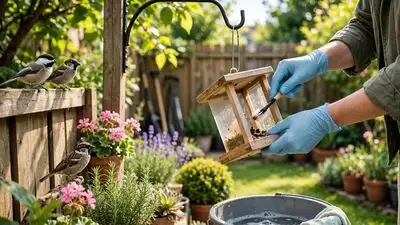
PC: AI Generated
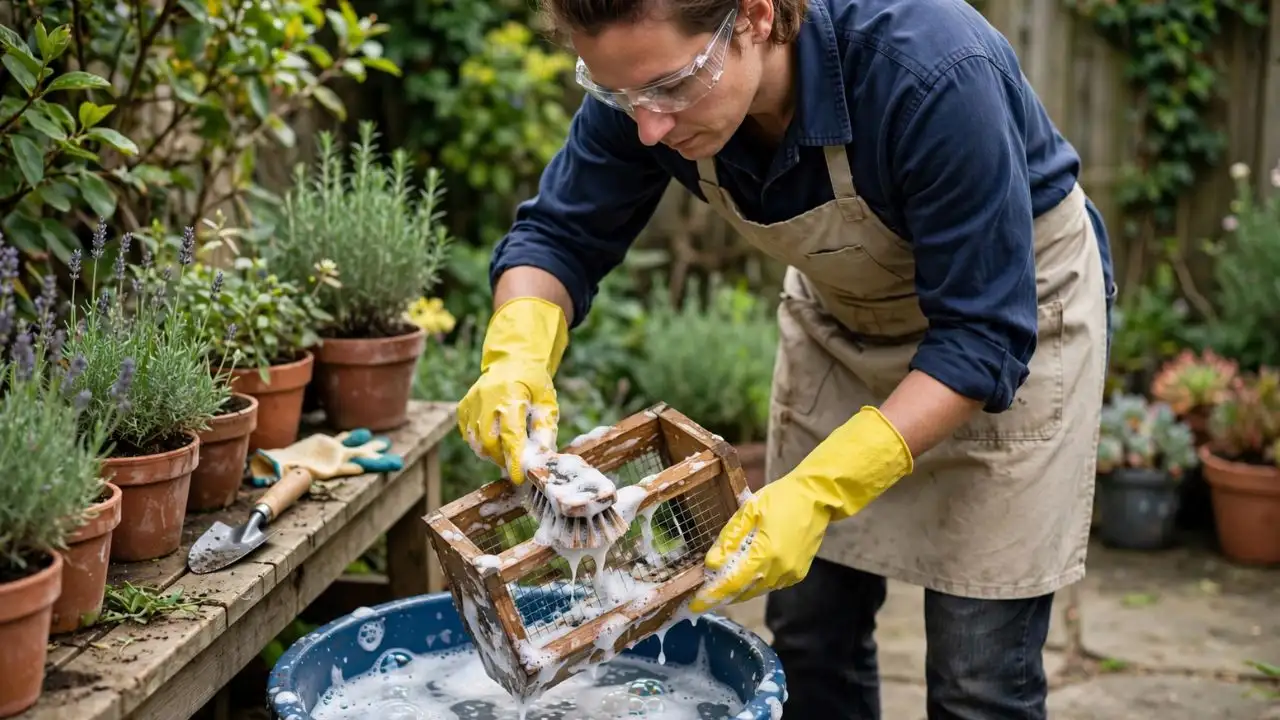
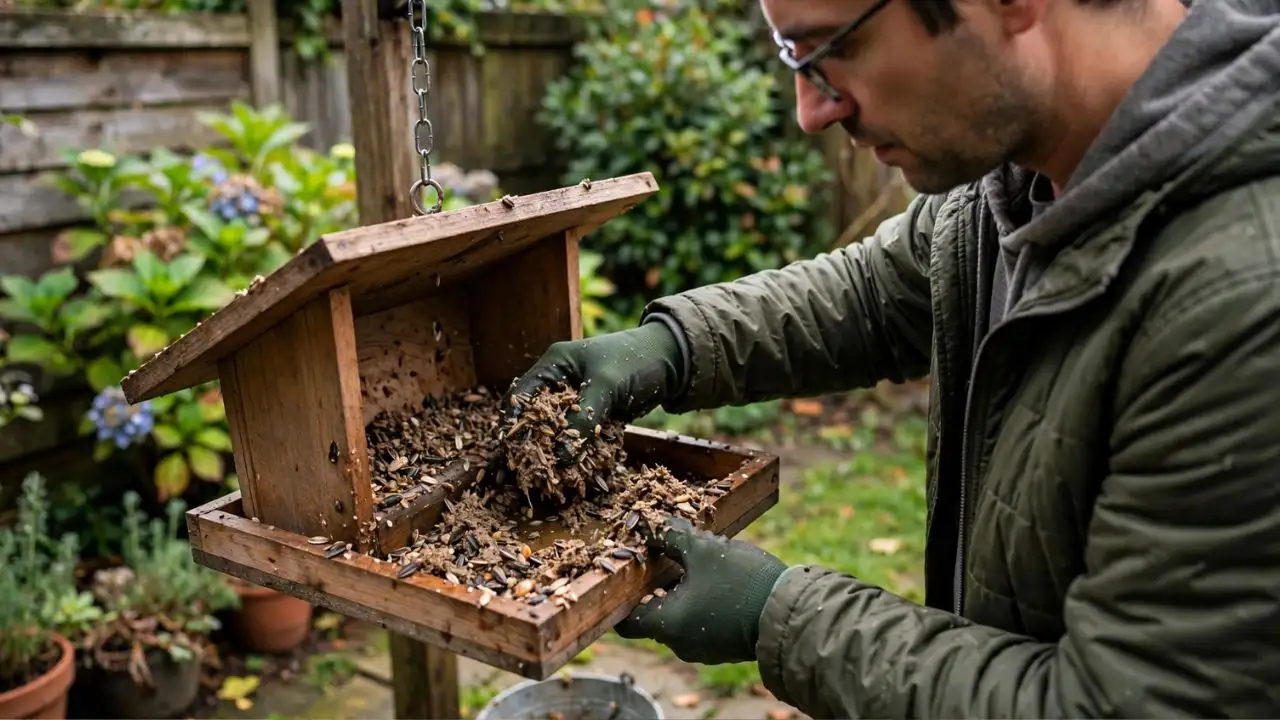
Because moisture can encourage mold and bacterial growth, during periods of heavy use or wet weather, feeders may need cleaning more often. Take feeders apart and clean them regularly. Wash away old food, droppings, and other debris before putting fresh seeds inside. Do not allow food to remain in the feeder for long periods if it has become wet or spoiled. Damp seed can become a breeding ground for mould and may attract unwanted pests. Put out only as much food as birds are likely to eat. This can also reduce waste around the feeding area. Birds can share water just as easily as they share food. Empty and clean birdbaths regularly and refill them with fresh water.
A bird feeder can turn a quiet backyard into a busy gathering place. Sparrows, finches and other garden birds may return throughout the day for the same supply of food. That makes it easier to watch birds closely. When many birds gather in one small area, they can come into contact with the same surfaces, food and droppings. A feeder does not automatically spread bird flu, as the greater risk comes when infected birds, contaminated material and domestic poultry overlap. Simple precautions can help, such as keeping feeders clean, preventing food from becoming contaminated, and separating wild birds from chickens and ducks, which are among the most important measures for reducing the chances of infection spreading around a backyard.