
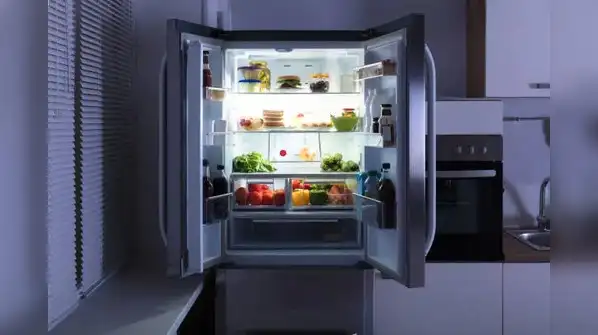
There’s a reflex most of us have developed over the years: anything that comes home from the market gets shoved straight into the fridge, on the assumption that cold automatically means fresher for longer. But that instinct doesn’t actually hold up for every food. For a handful of common kitchen staples, the fridge does more harm than good, dulling flavour, wrecking texture, or speeding up spoilage in ways that genuinely surprise most people. Here are five foods worth keeping out of the refrigerator, and the actual reasons why.
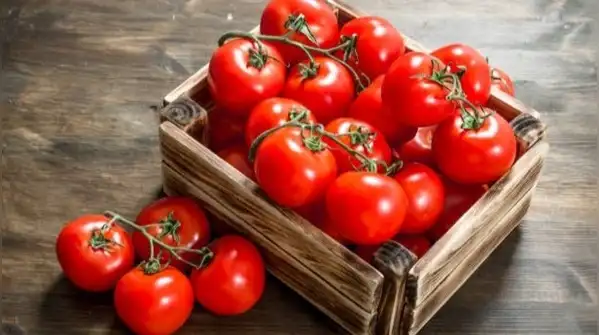
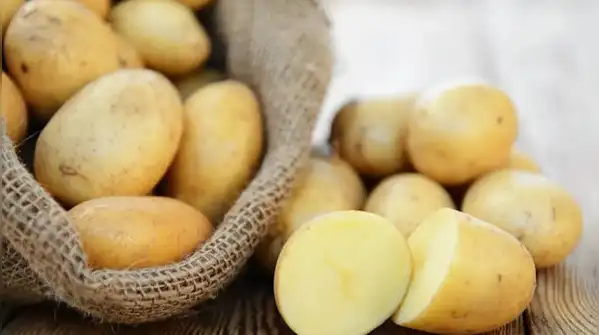
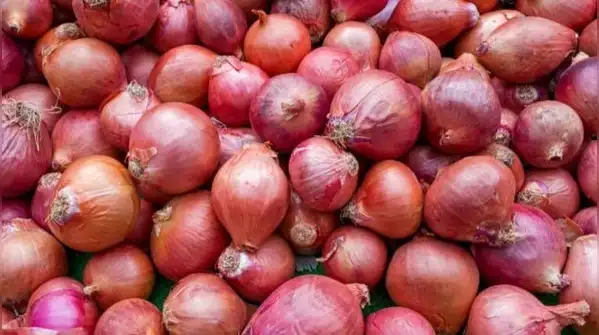
This is probably the single most commonly broken rule in Indian kitchens, and also one of the most damaging. Cold temperatures destroy the volatile aromatic compounds responsible for a tomato’s flavour, while also halting the ripening process entirely, which is why refrigerated tomatoes so often taste flat, watery, and mealy compared to ones left on the counter. Worse still, this damage doesn’t reverse itself once the tomato warms back up to room temperature; the flavour and texture loss is essentially permanent. Store them out on the counter instead, away from direct sunlight, and they’ll stay noticeably juicier and more flavourful. It seems counterintuitive, since potatoes are meant to be stored somewhere cool, but the fridge is actually too cold for them. Refrigeration causes the starches inside a potato to convert into sugar much faster than they would at room temperature, leaving the potato tasting unusually sweet and grainy rather than the mild, starchy flavour you’d expect. This conversion also affects how potatoes cook, particularly when frying or roasting, often resulting in uneven browning. The better option is a cool, dark, well-ventilated spot; a paper bag inside a cupboard works well, kept away from direct sunlight and unwashed until you’re ready to cook. Whole, uncut onions genuinely don’t belong in the fridge, and the reason comes down to humidity. The moist environment inside a refrigerator encourages onions to soften, sprout, and develop mould considerably faster than they would in a cool, dry pantry. It’s also worth keeping onions away from potatoes specifically when storing them, since the gases and moisture each releases can accelerate spoilage in the other when they’re stored side by side. Once an onion has been cut, though, the leftover portion should go into an airtight container in the fridge to prevent it from drying out or picking up other odours.
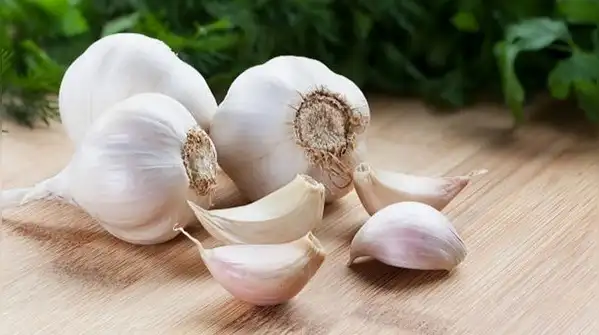
Much like onions, whole garlic bulbs fare far worse in the fridge than they do left out. The cold, humid environment negatively affects garlic’s texture, often causing individual cloves to turn soft, rubbery, or start sprouting prematurely, well before they would under normal pantry conditions. Garlic is genuinely built to last for months when stored properly, kept in a cool, dry, well-ventilated spot away from direct sunlight and heat sources like your stovetop, rather than tucked into the crisper drawer where humidity works against it. Honey might be the most unnecessary thing to ever end up in a refrigerator. Cold temperatures cause honey to crystallise and harden into a thick, grainy mass that’s genuinely difficult to work with, whereas at room temperature, it stays smooth, gooey, and easy to pour indefinitely. Thanks to its naturally low moisture content and antibacterial properties, honey is one of the only foods on earth that essentially never spoils; jars of honey found in ancient Egyptian tombs have reportedly still been edible thousands of years later. A sealed jar in your pantry is really all it needs. This article is intended for general informational purposes only. Storage recommendations can vary slightly depending on ripeness, climate, and how quickly you intend to use the food. Once cut, peeled, or cooked, these items generally should be refrigerated to prevent spoilage and ensure food safety, regardless of how they were stored whole.

Pingback: Here are a few things you should never place near an inverter