
Some homes have a way of telling you what the family believes in without saying a word.
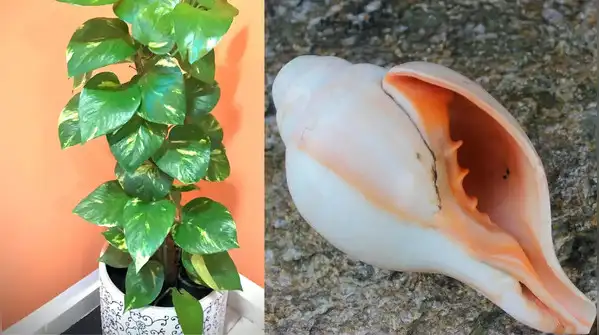
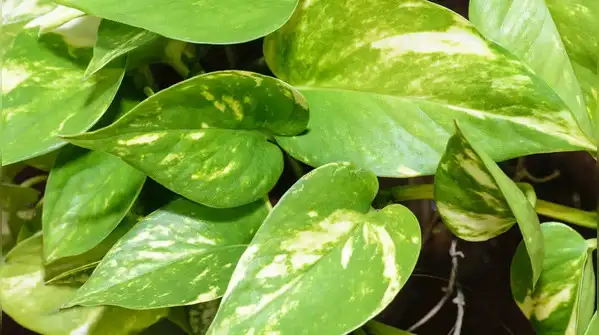
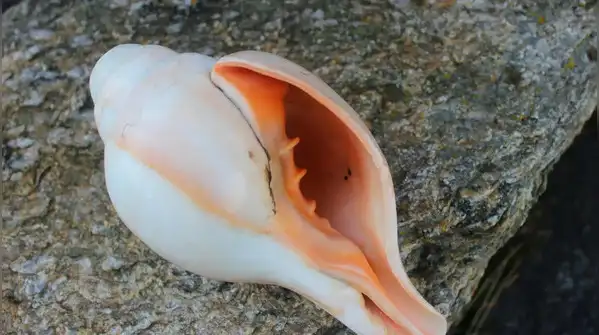
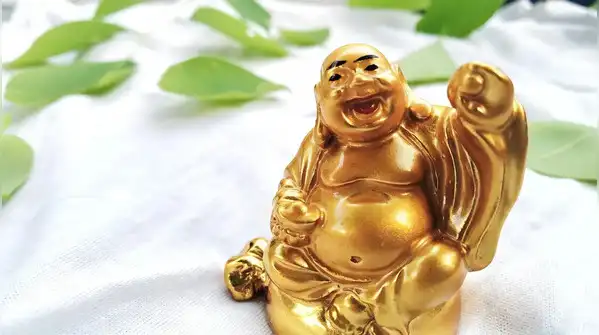
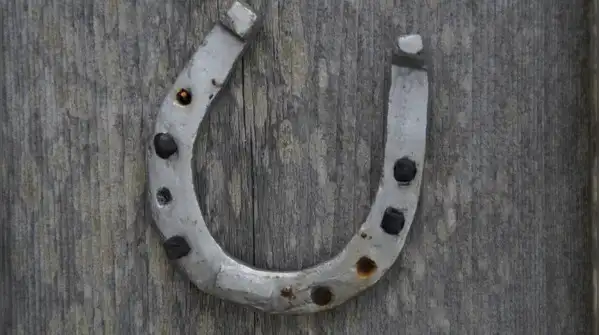
Because the shankh has genuine religious significance, it is not quite the same as picking up an ordinary decorative object. Because the doorway is seen as an important point of entry, some people choose to place one around the entrance of the house. It could be a little shankh in the prayer room, a money plant growing across a balcony, or a small figurine sitting on the living-room shelf. These objects often become part of the home almost naturally. Sometimes they are bought with a particular belief in mind. Sometimes they are simply handed down by a parent or grandparent. Vastu Shastra has influenced Indian homes for generations, including the choice and placement of certain objects. For people who follow these traditions, some items are considered auspicious and are associated with ideas such as prosperity, harmony, and protection. That does not mean an object can guarantee good luck. These are traditional beliefs, not scientifically established ways of changing one’s fortune. But if you enjoy having such elements around the house, a few familiar choices have a long cultural association with auspiciousness. Images: Canva (for representative purposes only) The money plant hardly needs an introduction. It has become such a common part of Indian interiors that it can be easy to forget the beliefs attached to it. In Vastu traditions, the plant is often linked with growth and prosperity. That is one reason you may find it in living spaces, balconies, and near windows. There is also a simple everyday appeal to it. Greenery can make a room feel more alive, particularly when the plant is healthy and well cared for. If you bring one home, give it the conditions it needs to grow rather than treating it as a lucky charm that can do the work on its own. Few objects can evoke a sense of Indian ritual quite like a conch shell. For many families, the shankh is connected to prayer, festivals, and religious ceremonies. It is considered auspicious in several Hindu traditions and is commonly kept in a puja space. Some households also use it during religious rituals. Families may have their own customs around how it is kept and used, and those traditions are worth respecting. The Laughing Buddha has become a familiar feature of homes and workplaces, often appearing on shelves, desks, and entrance tables. Its cheerful expression is popularly associated with happiness, abundance, and prosperity. For someone who enjoys symbolic decor, that alone can make it an appealing addition to a room. There is no scientific evidence that a figurine can attract money or guarantee success. Its role is better understood as symbolic, representing the qualities a person may want to associate with their surroundings. A horseshoe can seem like an unexpected choice for home decor, but its association with luck is hardly new. The symbol has been regarded as a sign of good fortune and protection in various folk traditions. In such settings, the horseshoe becomes less about decoration and more about what it represents. If you like the symbolism, there is no harm in incorporating it into your decor. Just don’t mistake a centuries-old belief for a guaranteed outcome. This is perhaps the most specifically Vastu-oriented item on the list. Vastu pyramids are used by some practitioners and followers of Vastu with the belief that they can help create balance within a space.
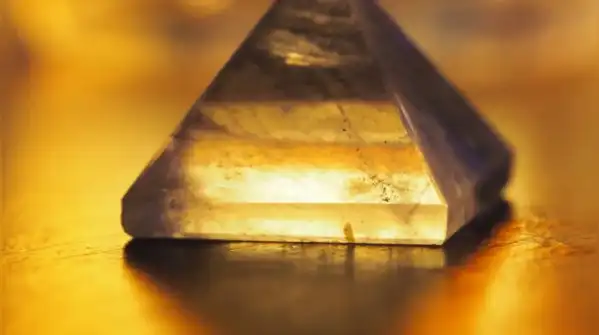
There is therefore no universal rule that one pyramid, placed in one particular spot, will work for every house. Because it is popular online, if you are interested in using one, it makes sense to understand the particular Vastu practice you are following rather than copying a placement simply. The details can get quite specific. Different practitioners may recommend different materials, sizes, or locations depending on the home and the principles they follow.