
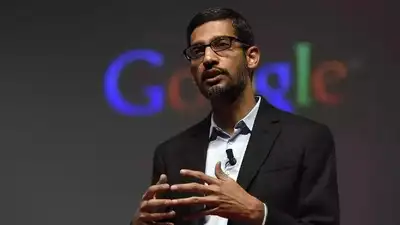
In November 2022, OpenAI launched ChatGPT, capturing global attention and appearing to catch Google flat-footed. The company fumbled its initial chatbot launches – both Bard and Imagen 1 – prompting some industry observers to call for CEO Sundar Pichai ‘s resignation. Reports claimed that the tech giant announced a ‘Code Red’ and the company scrambled to get its own AI chatbot out.
Last year, Pichai even announced in a meeting that: “In history, you don’t always need to be first but you have to execute well and really be the best in class as a product.” Soon after these launches, the company wrote its comeback, riding its slow and steady approach to deliver the ‘right’ products.
Google launched Gemini 3.0 last week with rave reviews. OpenAI CEO Sam Altman sent an internal memo, saying that the company may experience some headwinds following the launch of Gemini 3.0. Days later, Google launched Nano Banana Pro image model. News of the potential arrangement, first reported by The Information, sent shares of chip manufacturers AMD and Nvidia tumbling, with Nvidia saying that their chips are ‘still better’.
The new model is its best yet, outperforming its predecessor across coding, design and analysis tasks, while exceeding competing models in benchmark tests, according to Google. The model essentially persuaded Salesforce CEO Marc Benioff to switch from ChatGPT. Google has invested over a decade developing its own Tensor Processing Units (TPUs) for internal use. These specialised chips have trained Google’s Gemini models and now serve as a product offering for other companies to train their AI models. The company sells TPU access through its cloud business and has intensified efforts in recent months to attract customers, potentially threatening Nvidia’s dominance in the AI chip market. Reports have also suggested that Google is in discussions with Meta for a blockbuster deal worth billions of dollars that could place Google chips in Meta’s data centres.