
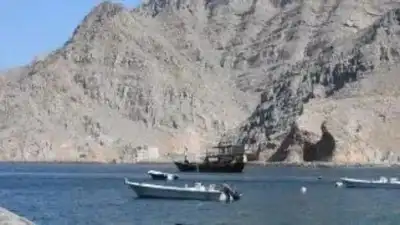
After a month-long war and depleted infrastructure, economic strains can multiply for Iran following Unites States’ decision to blockade its ports at the Strait of Hormuz after the talks between both the sides faltered in Pakistan last weekend.
As of late March, Iran had an estimated 154 million barrels floating outside the blockage-affected Gulf, according to Kpler. The move will also block Iran’s energy exports to China, which gets 45 t0 50 per cent of its crude oil and 30 per cent of its liquefied natural gas imports through the strait, according to the report. This comes as Trump announced to blockade the narrow chokepoint in the Middle East after delegates of US and Iran could reach a agreement in Pakistan’s Islamabad.
Meanwhile, analysts said that Iran’s potential loss depends on several unknown factors, including how impenetrable the US’ blockade turns out to be, and to what extent Iran will be able to reroute oil exports through the Jask terminal outside the Strait of Hormuz. However, successfully enforcing the blockade will require a sustained commitment of US Navy ships and personnel, as well as clear guidance from the Trump administration and the Navy’s legal department, according to a report by Associated Press. The short-term damage will also be offset by oil Iran already has on the water. US President Donald Trump ordered a blockade of ships entering or leaving Iranian ports and coastal areas in the Gulf Sunday.