
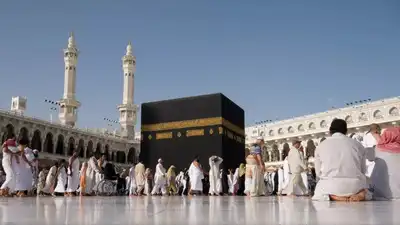
Saudi Arabia stops Makkah access without permit, suspends Umrah visas / Image: file
Saudi Arabia has enforced sweeping new restrictions ahead of Hajj 2026, halting entry into Makkah without official permits and suspending Umrah visas as authorities prepare for one of the world’s largest annual religious gatherings. From April 13, entry into Makkah is restricted to only those holding valid Hajj permits or officially approved work and residency documents linked to the holy city. Here are the critical deadlines confirmed across multiple sources: Last date for Umrah visa issuance: March 19, 2026 Final entry into Saudi Arabia on Umrah visa: April 2–3, 2026 Final exit deadline for Umrah pilgrims: April 18, 2026 After these dates: Umrah visa holders cannot enter the Kingdom Staying in Makkah without a Hajj permit is not allowed Even valid visas do not override these restrictions Authorities will begin clearing Umrah pilgrims from the holy cities to make way for Hajj operations. Saudi Arabia began issuing Hajj visas on February 8, 2026, marking an early start to international pilgrimage coordination. The first wave of pilgrims is expected to arrive from April 18 onward, with arrivals continuing in phases, according to officials. In 2025, Hajj saw over 1.8 million pilgrims, and authorities expect similar or higher turnout this year as global travel demand stabilises. As preparations intensify, Saudi Arabia is positioning Hajj 2026 as a tightly managed, technology-driven pilgrimage—one that prioritises safety, efficiency, and a more controlled flow of millions entering Islam’s holiest city.
early indicators suggest participation could match or exceed previous years While final numbers are yet to be officially confirmed.
A senior official quoted in regional reports said the early visa issuance and phased arrivals are designed to “eliminate last-minute congestion and improve the overall pilgrim experience from arrival to departure. The move, led by the Ministry of Hajj and Umrah in coordination with the Ministry of Interior, comes as the Kingdom ramps up crowd-control and safety systems amid expectations of millions of pilgrims arriving over the coming weeks. Officials say the measures are critical to ensuring a safe and organised pilgrimage, especially after past challenges linked to overcrowding and unauthorised participation. Authorities have made it clear that all other visa holders, including tourists and Umrah pilgrims, will be denied access during this period. In a statement carried by Saudi media, officials from the Ministry of Interior stressed that the decision aims to “protect the safety of pilgrims and ensure smooth movement within the holy sites. They added that security checkpoints have been reinforced across key entry routes into Makkah. The Kingdom has increasingly relied on digital permit systems in recent years, integrating platforms such as the Nusuk app to verify pilgrim status and prevent unauthorised entry. Authorities warned that violators could face penalties including fines, deportation, and bans from future entry. As Hajj approaches, Saudi Arabia has officially suspended Umrah permits, a standard annual move to prepare the holy sites. Officials also indicated that hundreds of thousands of applications have already been processed through the Nusuk platform, reflecting strong international demand. The system allows pilgrims to book packages, permits, and services digitally, helping authorities track and manage arrivals in real time. Saudi authorities have made their message clear: entry into Makkah during the Hajj season is strictly regulated and only possible with an approved Hajj permit. Umrah travel remains suspended until after the pilgrimage, which is expected to conclude in June, after which services will gradually resume. Travellers are advised to follow official timelines closely, complete bookings through authorised platforms, and avoid relying on visit or tourist visas for Hajj access. Officials warned that violations could result in heavy fines, deportation, and long-term entry bans.