
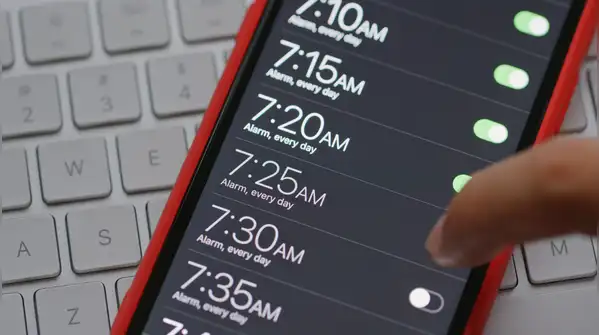
Have you ever gone to bed thinking, “I have to wake up at 6 tomorrow” and then opened your eyes at 5:57, just minutes before the alarm? It can feel almost uncanny. No ringtone, no sunlight, no one calling your name, just a sudden sense that it is time to get up. It is as if your body has its own quiet alarm clock, ticking away while you sleep. But this strange ability is not entirely in your imagination. Scientists call it self-awakening, and research suggests that the sleeping brain may be capable of keeping track of a planned wake-up time, at least to some extent. Scroll down to read more…
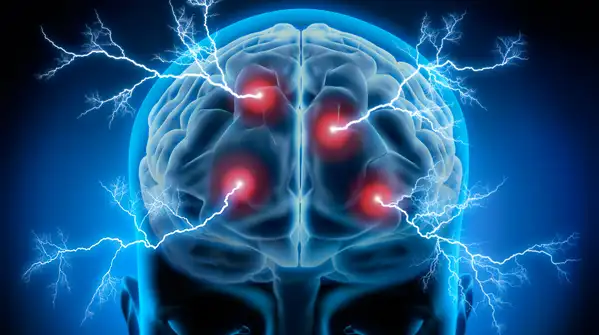

The circadian rhythm helps regulate sleep and wakefulness over roughly a 24-hour cycle. A classic 1997 study involving 152 people found that cortisol levels generally rose substantially during the first 30 minutes after waking. Because your body may already be moving toward its morning state around the time you expect to wake, that matters.
However, scientists now caution against oversimplifying this as “waking up causes cortisol to spike”. Your body’s biological clock also plays a role. As morning approaches, the body naturally becomes more prepared for waking. Hormonal and physiological changes accompany this transition. Cortisol is one of them. More recent research has found that cortisol follows a broader circadian pattern and that the relationship between awakening and cortisol is more complicated than once thought. There may be another ingredient: anticipation. Think about the difference between an ordinary Sunday morning and the morning of an exam, flight or job interview. On important days, you are more likely to think repeatedly about when you need to get up. That mental focus may make the target wake-up time more salient to the brain. Researchers studying self-awakening have proposed that the process requires the brain to encode the intended time, estimate how much time has passed during sleep and somehow regain enough control to initiate awakening. Exactly how these processes operate during sleep, however, remains unclear.