
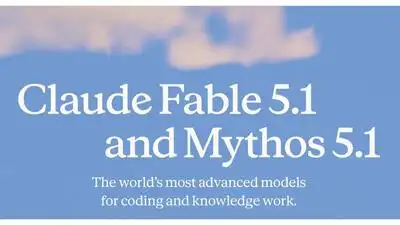
Anthropic launches Claude Fable 5.1 and Mythos 5.1 models
Claude Mythos 5.1 Achieves Breakthrough in Protein Design
Anthropic has conducted tests on its Claude Mythos 5.1 model for protein design, reporting significant advancements. The model successfully generated protein binders that performed well in laboratory assessments. Specifically, it achieved a hit rate of nearly 50% across 12 targets. This performance markedly exceeds the typical hit rate of 10% to 15% commonly seen in protein design efforts.
Anthropic has launched two new AI models, Claude Fable 5.1 and Claude Mythos 5.1, with a focus on coding, research and complex knowledge work. Fable 5.1 is available to everyone, while Mythos 5.1 is limited to approved users working in areas such as cybersecurity and life sciences. Anthropic says Mythos 5.1 has more flexible safeguards for vetted researchers and security professionals. Claude Fable 5.1 is available immediately across Anthropic’s platforms.
The company says the new models can handle longer and harder tasks while also reducing costs for many users. Announcing the two models, Anthropic said: “They’re the world’s most advanced models for coding and knowledge work—and their research capabilities offer an early glimpse of how AI models will contribute to scientific progress”. The two models are essentially the same model, but come with different safety controls. Developers can also access it through the Claude API, while the model is available through cloud platforms including Amazon Web Services, Google Cloud and Microsoft Azure.
Claude Mythos 5.1 Limited to Selected Users
Anthropic is restricting access to its Mythos 5.1 model, making it unavailable for general use. Instead, the model will be accessible through trusted access programs specifically designed for selected cybersecurity professionals and life sciences researchers. These approved users will benefit from features that are not included in the standard Fable 5.1 model.
The rollout of Mythos 5.1 for enterprise customers will take place in phases, starting later this fall.
Pingback: Two of America's biggest AI companies are in price war: The wider industry impact