Fashion has remained much more than just hemlines, shapes, and the latest trends. Some pieces of clothing can be considered time capsules made of silk, linen, and brocade that tell a tale about riches, social class, quality of craft, and global trade. many interesting items are preserved in museums all over the world Although very few clothing items from the 16th and 17th centuries remain untouched and undamaged. Let’s take a look at a few.
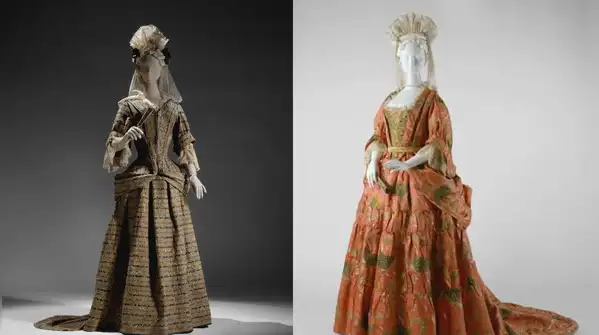
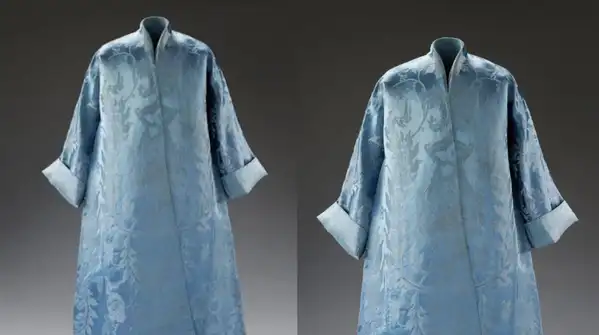
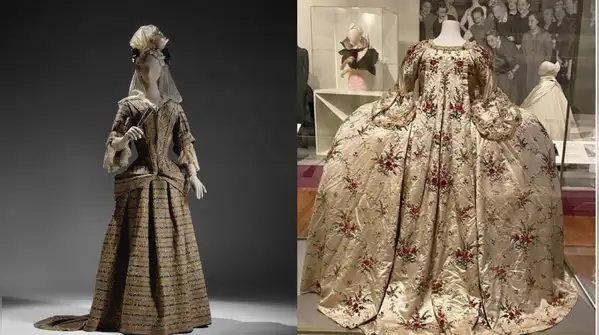
The robe de chambre of the Victoria and Albert Museum originates from 1690 and shows us another, much more laid-back side of nobles’ dressing. The version on display at Palais Galliera in Paris belongs to the period 1750–1760 and is made of ornate fabrics such as linen, silk, lampas, taffeta, and passementerie. The mantua came into being in the late 17th century and quickly became one of the most recognisable garments in women’s fashion across Europe. It is essentially a gown worn on top of the underskirt, featuring a bodice directly connected to a long overskirt that trains in the back. The importance of keeping 17th-century garments is highlighted by the fact that textile materials can change and evolve very quickly. Not every garment from the past was made for the grand ballroom. This gown was generally worn at home by European men while they received and entertained guests. The item is very interesting from a construction point of view, as its design is based on the traditional Japanese kimono but was made of expensive silk from China. It may seem that contemporary fashion uses floral prints a lot, but this doesn’t mean the 18th century had nothing to do with floral dresses. The gown preserved in the Victoria & Albert Museum, dated back to the 1740s, is made from brocaded satin decorated with bright silk threads. First created in the 1740s, it was modified in the 1780s. It can be related to the activity of Anna Maria Garthwaite, a well-known designer who popularised brocade and floral patterns in the British textile industry. Any discussion about 18th-century fashion should include the robe à la française among the most famous garments of that time. It consists of multiple elements like pagoda sleeves and a train and also contains rich embellishments.