PC: Makoto Nakashima/ Wikipedia
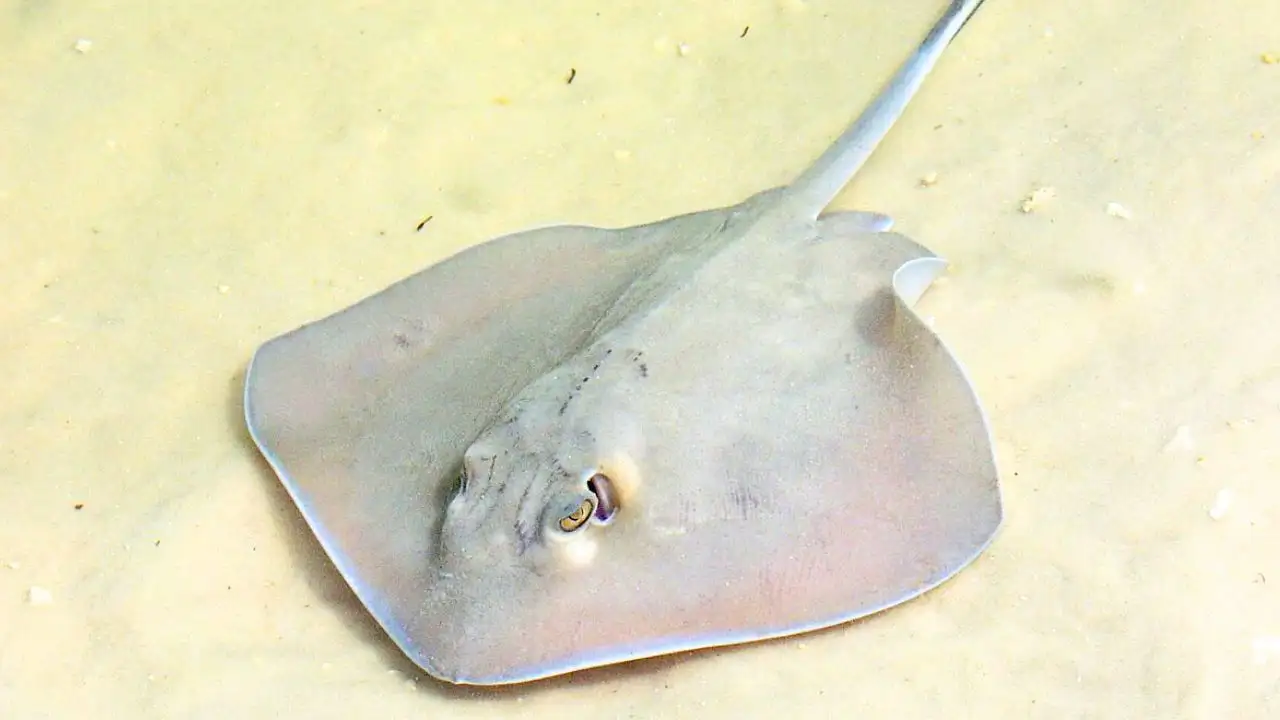
Lake Maracaibo covers about 13,280 square kilometres and reaches roughly 35 metres at its deepest point. The species appears to favour soft muddy or sandy bottoms and can reach about 40 centimetres in length. Because it has been identified as a reproductive area for the Ocellate River Stingray, catalão Lake is particularly notable. Because most stingrays are associated with marine environments, freshwater stingrays are unusual.
Titled “Diet of the freshwater stingray Potamotrygon motoro (Chondrichthyes: Potamotrygonidae) on Marajó Island (Pará, Brazil)”, researchers analysed the stomach contents of 137 stingrays and found that fish were the most important food group recorded in specimens from Lake Arari, according to a 2010 study published in the Brazilian Journal of Biology. Stingrays are usually associated with coastal waters, but some species have adapted to life far from the sea. In South America, freshwater stingrays inhabit rivers, floodplains, lagoons and lakes. Their presence is especially striking in seasonal floodplain systems, where changing water levels can connect lakes with rivers and flooded forests. Lake Maracaibo in Venezuela is home to the endangered Maracaibo River Stingray, while Brazil’s Lake Arari, Janauacá Lake and Catalão Lake support freshwater stingray species associated with the Amazon basin. The Maracaibo River Stingray, Potamotrygon yepezi, is a strictly freshwater species associated with the Maracaibo basin. It is not found throughout the lake itself, but occurs in surrounding waters and rivers that feed the lake. Lake Arari lies on Marajó Island in Pará, near the mouth of the Amazon River. Researchers found the Ocellate River Stingray, Potamotrygon motoro, there while studying freshwater stingray diets on Marajó Island. The study also identified insects, molluscs, crustaceans and annelids among the food items found across the locations studied. Janauacá Lake lies within the Amazon floodplain near Manaus. Surveys have documented four freshwater stingray species, which include Potamotrygon motoro, Potamotrygon scobina, Potamotrygon orbignyi and Paratrygon aiereba. Seasonal changes in water levels periodically connect the lake with surrounding floodplain habitats, helping explain how stingrays occur across linked rivers, lakes and flooded forests. The species found in South American lakes have adapted to freshwater habitats, including rivers, floodplains, lagoons, and seasonally connected lakes. In the Amazon basin, changing water levels can connect lakes with rivers and flooded forests, allowing aquatic species to move between habitats.