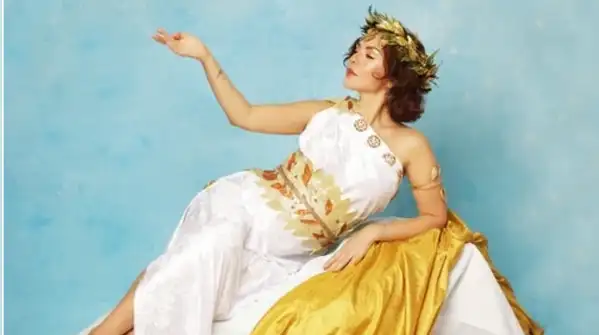
Even in ancient Greece, beauty had its particular type of perfection and had nothing to do with contemporary notions of beauty. Unlike present-day depictions of Greek women, whose beauty appears to be effortless, there existed various beauty practices in ancient times, including makeup, fragrances, grooming, and painful practices of hair removal. The understanding of beauty concepts in ancient Greece is based on available literature, archaeological finds, cosmetic vessels, sculptures, and representations of goddesses and women of the aristocracy. Let’s quickly take a look at a few.

In ancient Greek societies, a woman’s complexion could tell a lot about her social status and way of life. A woman with a pale and properly maintained complexion could signal that she did not work outside and that she had a luxurious lifestyle. The Ancient Greeks placed a significant emphasis on grooming practices, where women used different body oils, skin creams, and cosmetics in their beauty routine, while strigils were used both to scrape excess oil from the skin as well as to remove hair. The Greeks had high expectations of grooming as well, especially in terms of women having hairless bodies and different methods of hair removal being commonly practised. So being clean and bathing was not enough for a woman who wanted to comply with existing standards. Beauty in Ancient Greece did not mean being against hair. On the contrary, hair played a significant role in femininity, and the ancient sculptures reveal a lot about how the ideal female hair looked. This doesn’t mean that all Greek women went about in the same hairdos. In fact, hair was skilfully portrayed in different ways in every sculpture. Beauty in ancient Greece was more than just what one saw. Aside from being about visual appeal, one must add scent. The use of perfumes is also associated with bath and body care. As stated by the Acropolis Museum, bathing was also accompanied by soothing creams and oils, while perfumes were kept in special containers such as alabastra and unguentaria. For women of high social status, perfume was more than just a finishing touch that comes after one puts on their makeup.
In the beauty industry today, luminous skin is of utmost importance, however, morality and standards of values were fairly different in the ancient world.