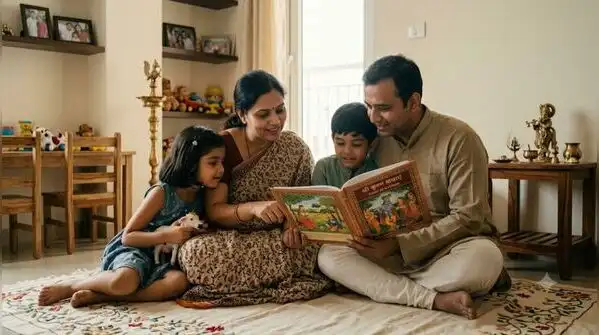
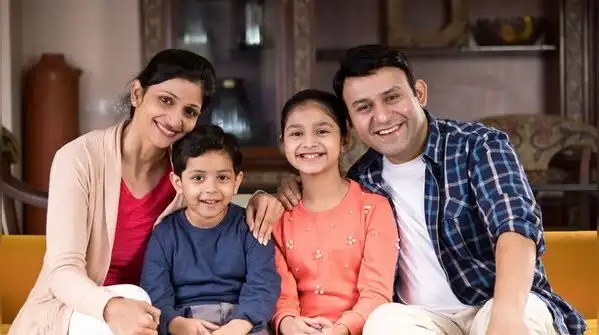
Janmashtami offers a unique opportunity for parents to introduce their children to Lord Krishna in an engaging way. Rather than relying on lengthy explanations, parents can share Krishna’s childhood stories, which are rich in themes of friendship, curiosity, mischief, courage, and compassion. These narratives can be integrated into play and daily experiences, making the lessons relatable and enjoyable for children.
Storytelling and play are effective tools for cultural learning, as recognized by organizations like UNICEF India. They advocate for parents to read, converse, and engage in storytelling and play with their children to support their development. By utilizing these methods, parents can foster a deeper understanding of cultural traditions while creating lasting memories during the festival.

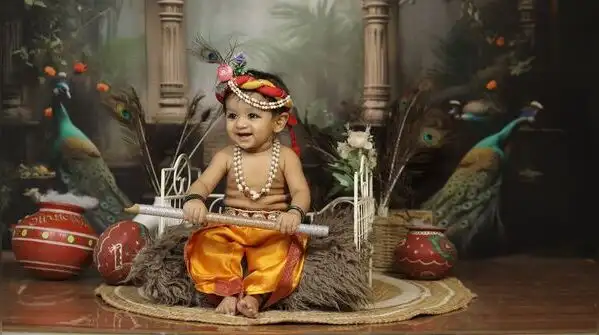
Give them room to participate according to their interests. You do not need to explain every moral separately. Connect Krishna’s stories to situations children already understand. For example, Krishna’s friendship with others can become a conversation about sharing and loyalty. Stories involving courage can lead to discussions about standing up for someone who is being treated unfairly. His relationships with family can open conversations about love, trust, and responsibility. This makes mythology feel connected to a child’s own world. One of the easiest ways to make children interested is to allow them to question the stories. Why did Krishna do that? Why was Yashoda angry? Why did Krishna help his friends? Was he always right? Parents do not have to turn every question into a religious lesson. Open conversations can encourage children to think, express their opinions, and understand different perspectives. UNICEF similarly recommends open conversations and listening as part of positive parenting. For many Indian families, Krishna stories have travelled from one generation to another through grandparents and elders. Janmashtami can be a wonderful occasion to bring that tradition alive. Ask a grandparent to tell the child their favourite Krishna story or share how the family celebrated Janmashtami when they were young. Storytelling can become more than a lesson about Krishna; it can become a connection between generations. UNICEF also highlights storytelling as a way for children to develop a sense of belonging and connection to a larger family story. Not every child will connect with Krishna through the same activity. One may enjoy dressing up as Kanha, another may love drawing, while another may simply want to listen to stories. Let them decorate a small space, sing a Krishna bhajan, make a craft, help prepare prasad, or act out a story. The purpose of Janmashtami parenting should not be to make children memorise religious facts. It should be to help them experience the values, stories, and cultural traditions behind the festival in a way they can understand. The most meaningful lessons are not always the ones parents formally teach. Sometimes they are the ones children discover while listening to a story, asking a question, laughing at Krishna’s mischief or participating in a family tradition. This Janmashtami, instead of asking children to sit quietly through a lecture about Krishna, let them meet him through stories, imagination, questions, and play. After all, a festival becomes meaningful for a child when they do not just hear about it; they feel connected to it.


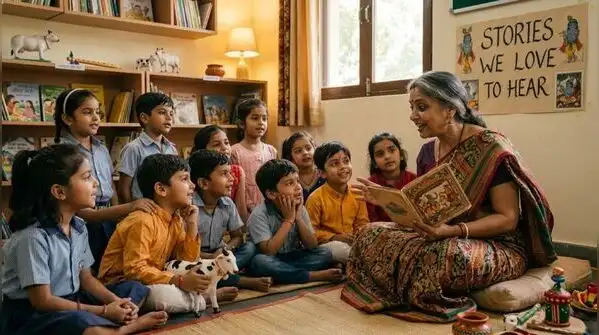
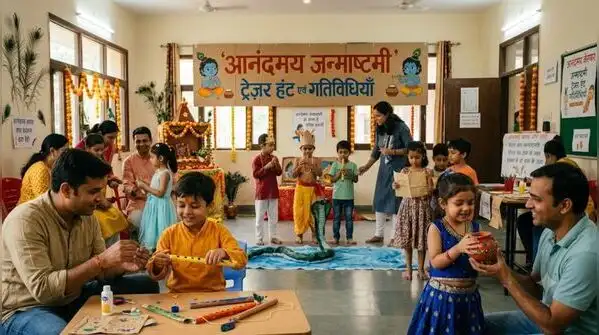
Ask, “What do you think Krishna was trying to do?” or “What would you have done if you were there? Rather than simply telling children, “Krishna was naughty,” parents can use these stories to discuss curiosity and consequences. Instead of sitting your child down for a long explanation about Krishna’s life, begin with one story. Tell them about little Krishna stealing butter, playing with his friends, or getting into playful trouble with Yashoda. Make it interactive. Stories give children something they can imagine rather than simply something they have to memorise. Children do not always learn best by listening. Sometimes they understand an idea better when they participate in it. During Janmashtami, parents can organise a simple Krishna-themed treasure hunt, make a paper flute, create a small matki craft, or let children act out a favourite Krishna story. UNICEF India notes that play supports children’s cognitive, physical, social and emotional development, making playful learning a meaningful part of childhood. Krishna’s childhood is often remembered for his playful and mischievous nature. Ask your child what makes a prank funny and when a joke can hurt someone. This helps children understand that being playful is wonderful, but kindness and boundaries still matter. The goal is not to make children imitate every action in the story but to help them think about what the story means.